


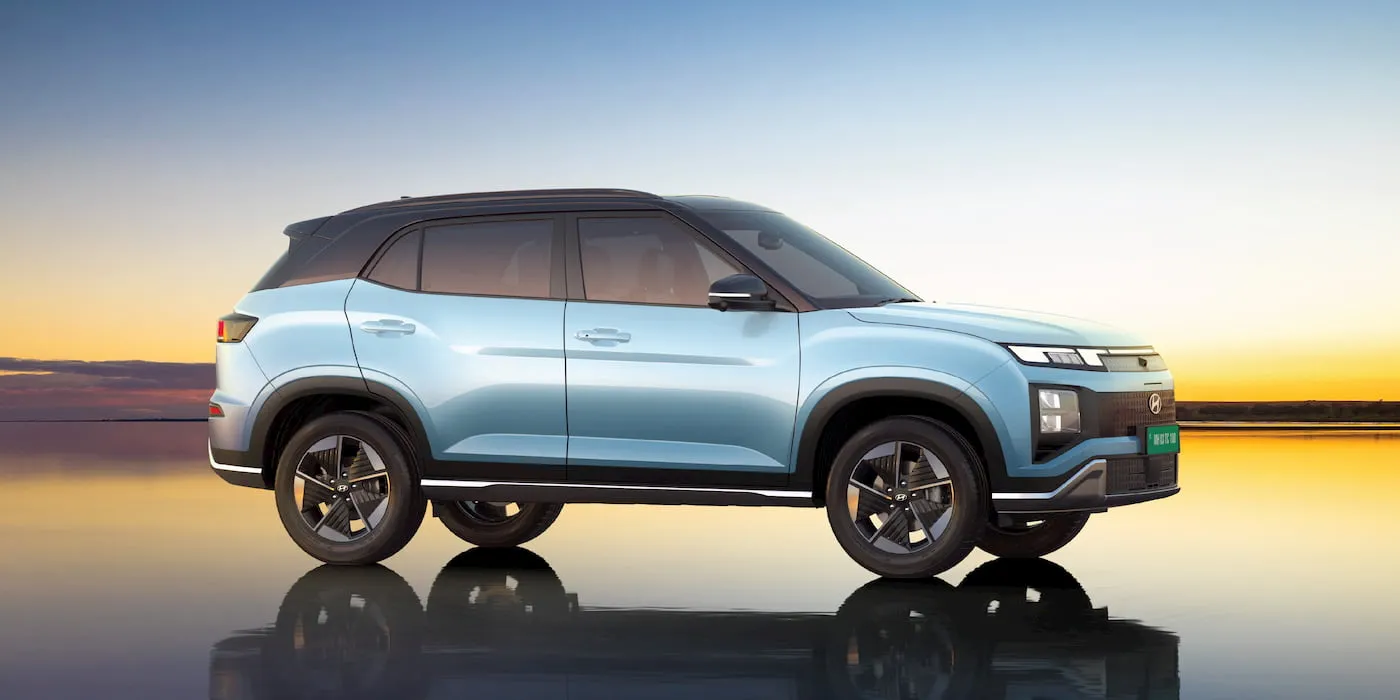
Hyundai Motor has inaugurated an electric vehicle (EV) battery plant in Chennai, India, just days after launching its first locally manufactured EV, the Creta Electric.
The new facility, located within Hyundai’s existing manufacturing complex in the southern state of Tamil Nadu, is operated in collaboration with Mobis, the parts and components subsidiary of Hyundai Motor Group.
See also: Hyundai Launches Creta Electric in India, Starting at Over $20,000 with Nearly 300-Mile Range


The plant is designed to assemble battery packs for Hyundai’s growing lineup of electric vehicles in India, including the newly launched Creta Electric. With the capability to produce both lithium iron phosphate (LFP) and nickel manganese cobalt (NMC) battery packs, the facility offers flexibility to support a range of models, from affordable electric micro SUVs to premium EVs.
Hyundai plans to produce approximately 24,000 units of the Creta Electric annually, according to an Autocar India report. While the plant has an initial capacity to assemble 75,000 battery packs per year, full utilization is not expected until after 2026, when the company may introduce additional locally manufactured EVs.
See also: Greenpeace Criticizes Hyundai and Kia Over Slow EV Adoption in India
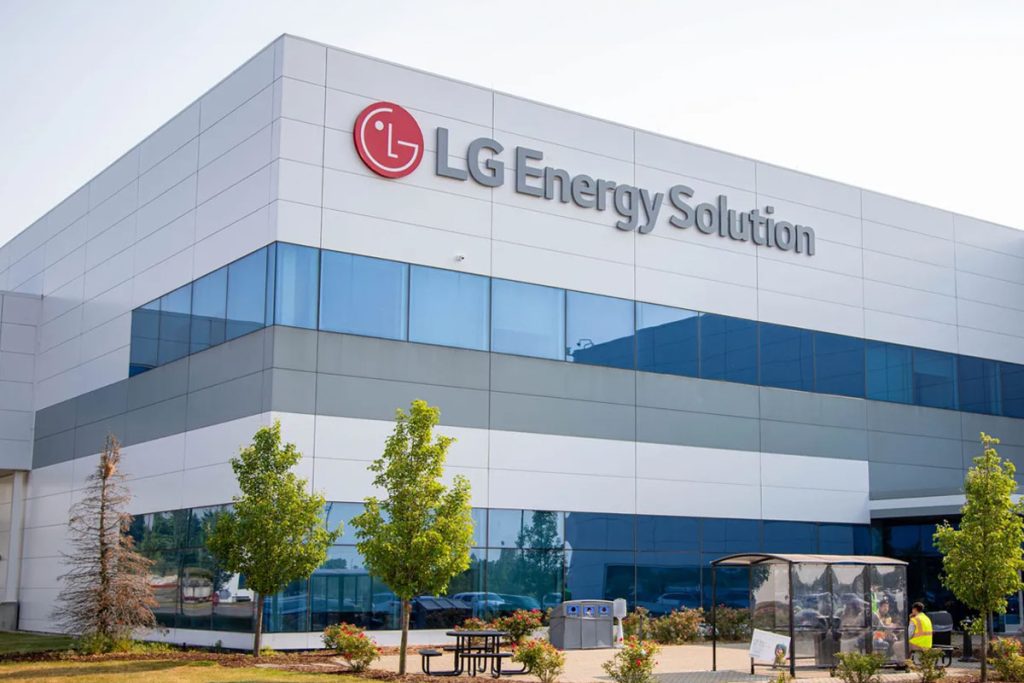
Currently, Hyundai imports battery cells for the Creta Electric from Indonesia, likely sourced from HLI Green Power, a joint venture between Hyundai Motor Group and LG Energy Solution.
However, the company has signed an agreement with Exide Energy to secure LFP cells locally. Exide Energy is constructing a gigafactory in Bengaluru, Karnataka, with production expected to begin mid-2024.