




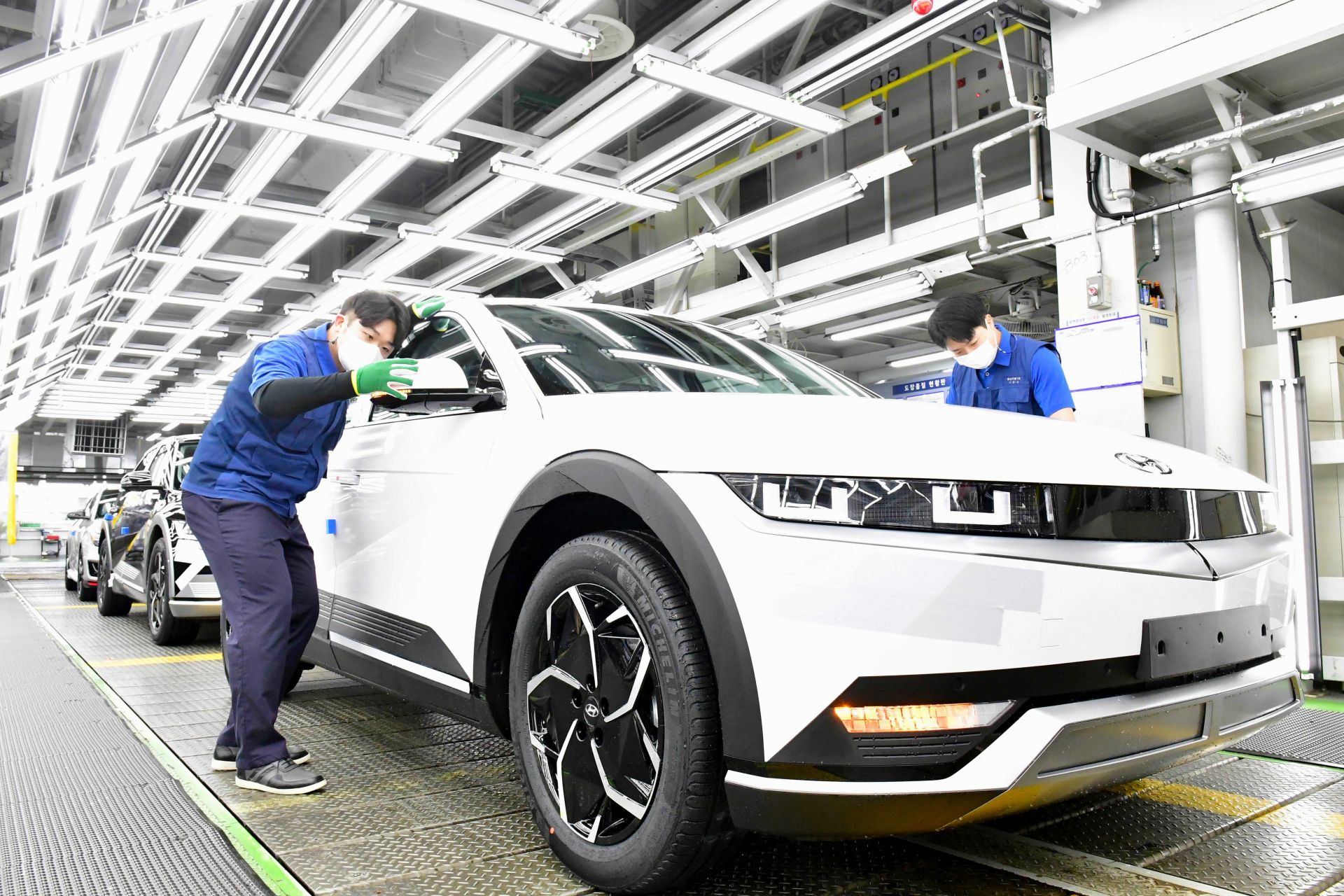
Hyundai Motor will suspend operations on its electric vehicle production line at its Ulsan plant for 12 days in December, marking the company’s 10th production halt this year as demand for battery-powered vehicles weakens, industry sources said on Nov. 28. The shutdown will affect Line 2 of Ulsan Plant 1, which produces Hyundai’s flagship electric model, the Ioniq 5, with operations for technical workers set to stop from Dec. 1 to Dec. 12.
Hyundai said the suspension reflects ongoing difficulties in securing stable production volumes following a slowdown in electrification demand and changing market conditions. “We are making various efforts to resolve the volume issues at Line 2 of Ulsan Plant 1, but we are experiencing difficulties in securing volume due to various variables such as electrification delays, tariff situations, and depletion of eco-friendly vehicle purchase subsidies,” the company said, adding that December’s production plan “falls short of normal operation standards, making suspension adjustments inevitable.”
See also: Hyundai, Kia Form Battery Alliance with South Korea’s Top EV Suppliers

The latest halt comes as South Korea’s electric vehicle subsidy programs run dry in most regions, including Seoul. The Ministry of Environment said new applications for subsidies have largely closed for the year, forcing potential buyers to wait until 2026 to receive financial support.
As a result, domestic electric vehicle sales have softened, with data from the CarIsYou Data Research Institute showing sales edged down from 28,528 units in September to about 28,000 units in October, with further declines expected from November onward.
See also: Hyundai, Kia See EV Sales Jump in Korea as New Models Spark Demand

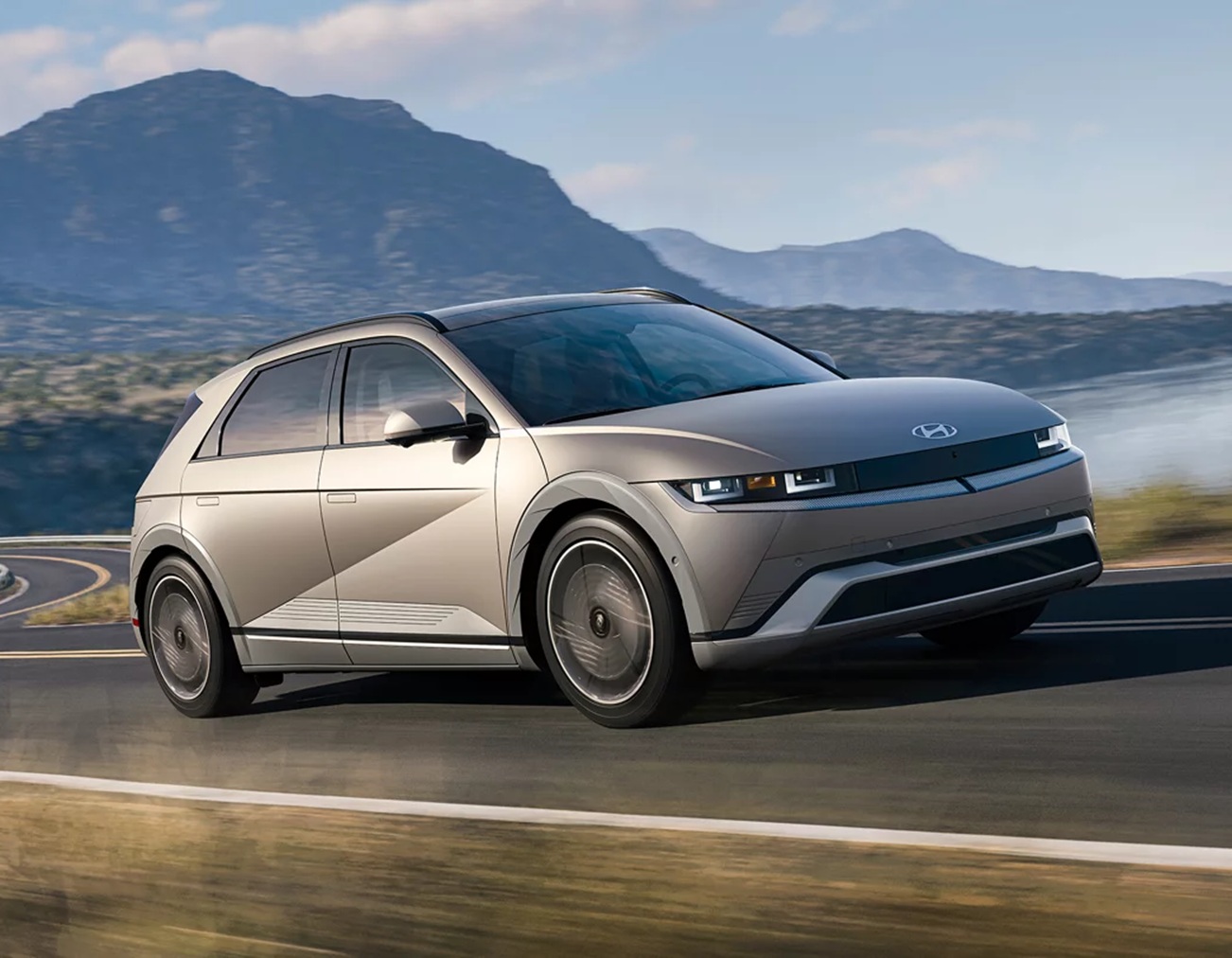
Pressure on domestic production has also been intensified by Hyundai’s expanded electric vehicle manufacturing footprint in the United States. In response to a 15% U.S. tariff, the automaker has ramped up output at Hyundai Motor Group Metaplant America (HMGMA) in Georgia, which began full-scale operations this year. From January to October, the facility produced 53,194 electric vehicles, including the Ioniq 5 and Ioniq 9, contributing to a partial shift away from South Korea-based production.
Source: BusinessKorea


