



Huawei expects megawatt-scale charging for commercial vehicles, wider adoption of liquid-cooled charging systems and artificial intelligence-enabled network management to shape the global charging infrastructure market in 2026, according to an industry outlook released this month.
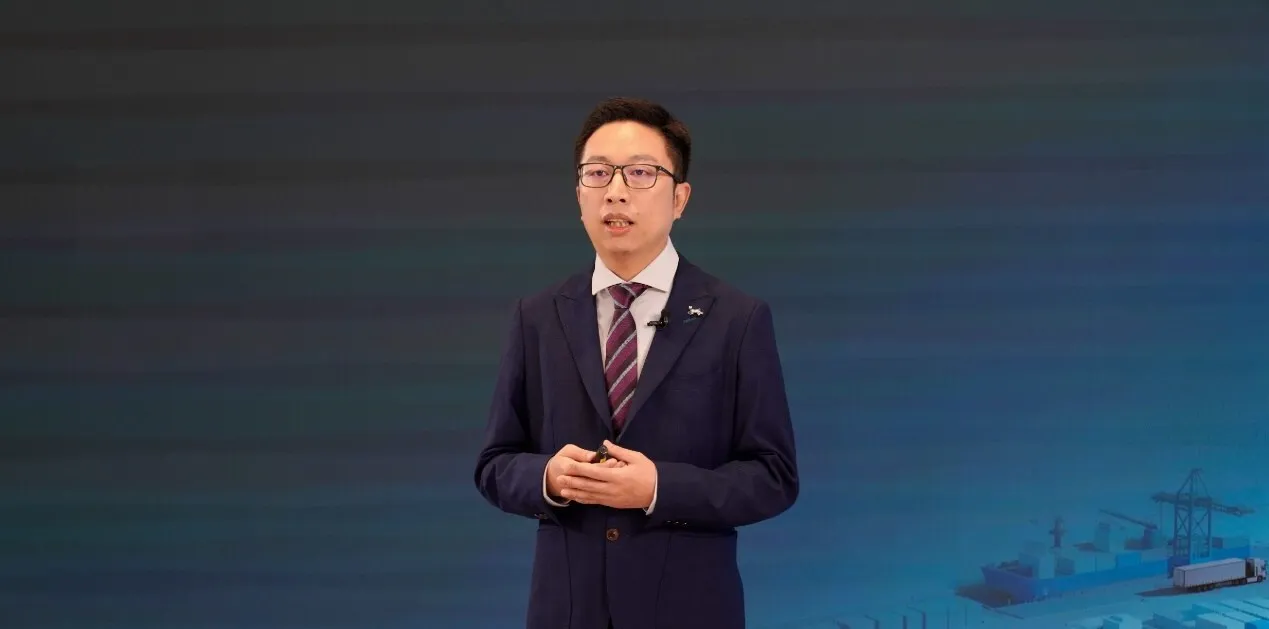
The company published its Top 10 Trends of Charging Network Industry 2026 on Jan. 16, outlining how charging networks are likely to evolve as electrification expands from passenger cars to heavy commercial transport. The analysis was presented by Wang Zhiwu, president of Huawei’s Smart Charging Network domain.
Huawei said charging infrastructure will face rising technical demands as electric heavy goods vehicles move from pilot projects to broader deployment. “Unified planning, standards, supervision and operations will be required as charging power levels scale from ultra-fast passenger vehicle charging to megawatt-class commercial charging,” the company said in its report.
Among the key trends identified is the emergence of megawatt-class charging as a foundation for large-scale electrification of logistics and freight transport. Huawei expects falling traction battery costs and advances in high-power charging technology to improve the economic case for electric trucks, supporting wider adoption and emissions reductions across the sector.
The company also forecast that liquid-cooled charging technology will increasingly replace conventional air-cooled systems, particularly in high-power and demanding operating environments. Liquid cooling offers improved heat dissipation, greater reliability in harsh conditions and support for megawatt-level charging, Huawei said, while potentially reducing vehicle system costs through integrated cooling designs.
Another major theme is the integration of direct current-based energy storage systems with chargers to address grid capacity constraints. Huawei said this approach could enable the deployment or upgrade of ultra-fast charging stations at sites with limited grid connections by decoupling charging power from real-time grid availability.
Looking further ahead, Huawei highlighted the role of AI-driven management systems in coordinating charging networks, stations, chargers and vehicles. By breaking down data silos, intelligent network management could improve charging efficiency, enhance user experience and support more efficient logistics and transportation operations.
Huawei also pointed to the development of modular, large-scale charging stations and campus-style microgrids combining photovoltaic generation, energy storage and charging infrastructure as part of a broader shift toward integrated energy and mobility systems.


