
The German-funded H2Sky initiative has concluded with the development of a fuel cell stack tailored for aviation applications, marking progress toward hydrogen-powered flight, although commercial deployment remains years away.
The project, launched in 2022 under Germany’s National Innovation Programme for Hydrogen and Fuel Cell Technology, received approximately €26.5 million in funding from the Federal Ministry for Digital and Transport. According to the ministry, H2Sky is among the country’s largest research efforts focused on hydrogen-based propulsion for aviation.
At its core, the project developed fuel cell stacks with outputs ranging from 100 to 200 kW, designed to power electric motors for propellers or engines. The technology was engineered to meet aviation-specific requirements, including high power density, efficiency, durability and reliability.
A key contributor was Aerostack, a joint venture between Airbus and ElringKlinger, which led the consortium.
“Climate-friendly mobility will succeed where innovation and competitiveness go hand in hand. In aviation, hydrogen plays a key role,” said Patrick Schnieder, Germany’s Minister for Digital and Transport. “Projects like H2Sky demonstrate that German ingenuity and technology are driving progress towards low-emission air travel.”
Aerostack highlighted the project’s role in advancing readiness levels for aviation use. “In the H2Sky project, we successfully advanced fuel cell technology to meet aviation requirements and significantly increased its technological maturity. The results provide a robust foundation for the next steps in preparing the technology for market readiness,” said Andreas Hubert.
Despite the progress, the development of a complete hydrogen aircraft system remains complex. Beyond fuel cell stacks, key components such as cryogenic hydrogen storage tanks, thermal management systems and power electronics must be integrated and certified—processes expected to take years.
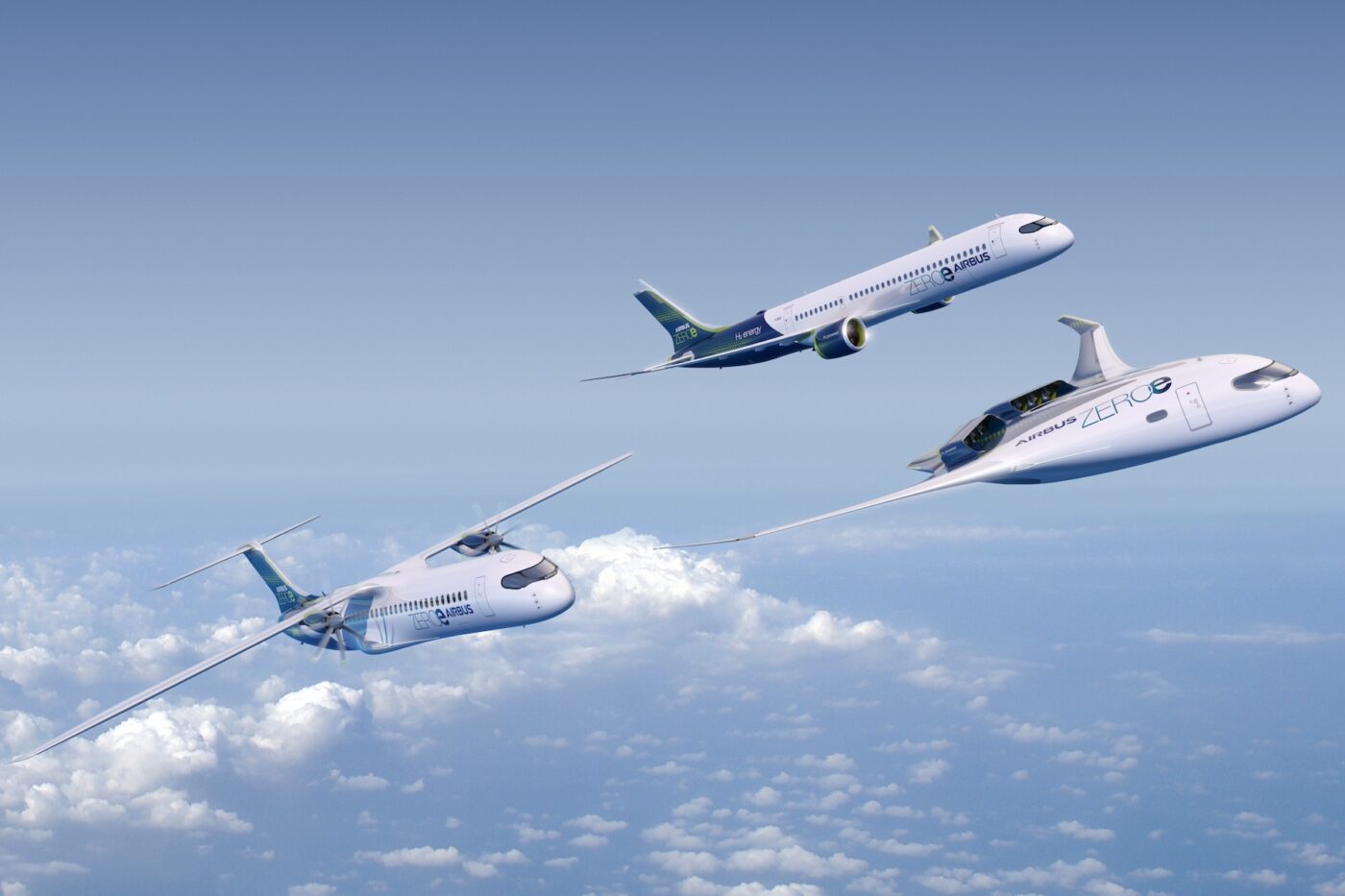
Airbus, which had previously targeted 2035 for hydrogen-powered aircraft under its ZeroE programme, has since adjusted expectations, with industry timelines now pointing closer to 2040.
Alongside H2Sky, partners including Airbus, Aerostack, RWTH Aachen University and the German Aerospace Centre have launched a follow-up initiative, the ‘GENtwoPRO’ project, aimed at developing scalable fuel cell systems for regional aircraft with up to 100 seats.
The H2Sky consortium also included partners such as Fraunhofer Institute for Solar Energy Systems, Technical University of Munich, Centre for Solar Energy and Hydrogen Research Baden-Württemberg and the University of Freiburg. The project was coordinated by NOW GmbH and implemented by Project Management Jülich.