


Global sales of hydrogen fuel cell passenger vehicles rose 24.4% in 2025 compared with the previous year, reaching 16,011 units, according to a market analysis by SNE Research, though overall volumes remained modest.
The market strengthened in the second half of the year after a slow start, with growth largely concentrated in China and South Korea. China led the country ranking with 7,797 units, although SNE Research classified all of these as “China Commercial” vehicles without specifying brands or confirming whether they were passenger cars or light commercial models.
Analysts attributed China’s 9.6% year-on-year growth partly to policy-driven demand late in the year. The expiration of purchase tax exemptions for new energy vehicles prompted buyers to accelerate purchases, while hydrogen pilot city programs also sought to meet performance targets before year-end. “This surge was further amplified by the fulfillment of performance targets in hydrogen pilot city clusters before the year-end deadline,” SNE Research said.
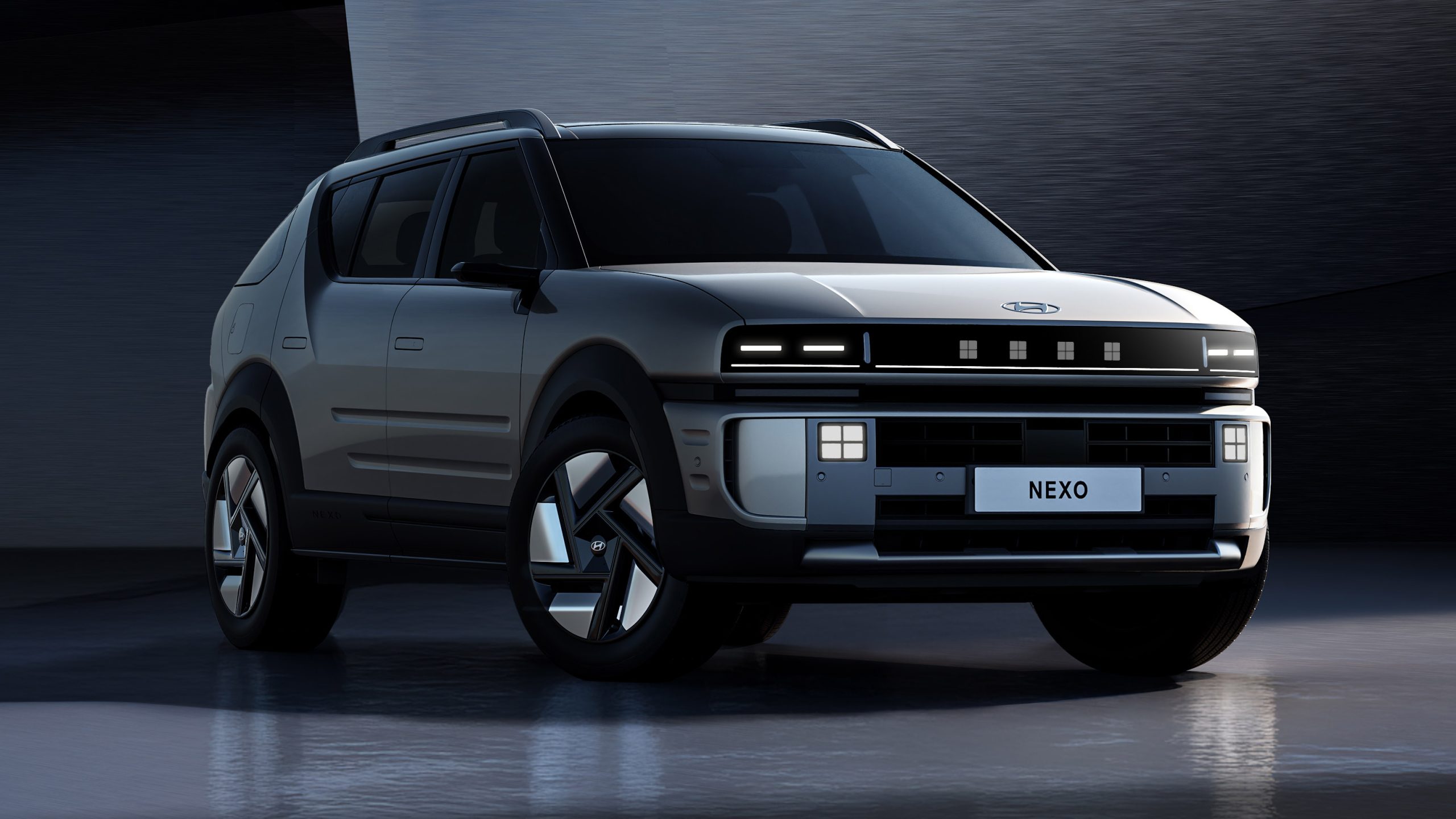
South Korea ranked second with 6,802 fuel cell passenger vehicles, posting a sharp 84.4% increase. The surge was largely driven by the launch of the second-generation Hyundai Nexo in April 2025, which significantly boosted domestic demand.
Hyundai emerged as the dominant manufacturer, selling 6,861 units and achieving 78.9% growth, accounting for 42.9% of the global market when excluding the unassigned Chinese vehicles. Former market leader Toyota recorded a 39.1% decline to 1,168 units for its Mirai and Crown FCEV models, while Honda reported 185 units of the CR-V e:FCEV after having no registrations in 2024.
Outside China and South Korea, most regions saw declining sales. Europe registered 566 vehicles, down 23.1%, Japan recorded 430 units, a drop of 37.3%, and North America fell 37.7% to 365 units. Sales in the rest of the world also declined slightly to 51 vehicles.
“The growth of the global FCEV market in 2025 can be summarized as the combined result of Hyundai Motor’s recovery in the second half and the year-end tax and settlement deadline effects in China,” SNE Research said. However, it warned that China’s year-end surge could lead to a short-term correction in early 2026 due to front-loaded demand.
Looking ahead, uncertainties remain around infrastructure expansion and policy stability. Analysts questioned whether hydrogen refuelling networks will grow fast enough and whether subsidy programs will remain predictable enough to support vehicle affordability and total cost of ownership.