
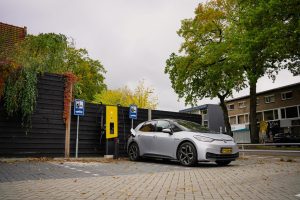



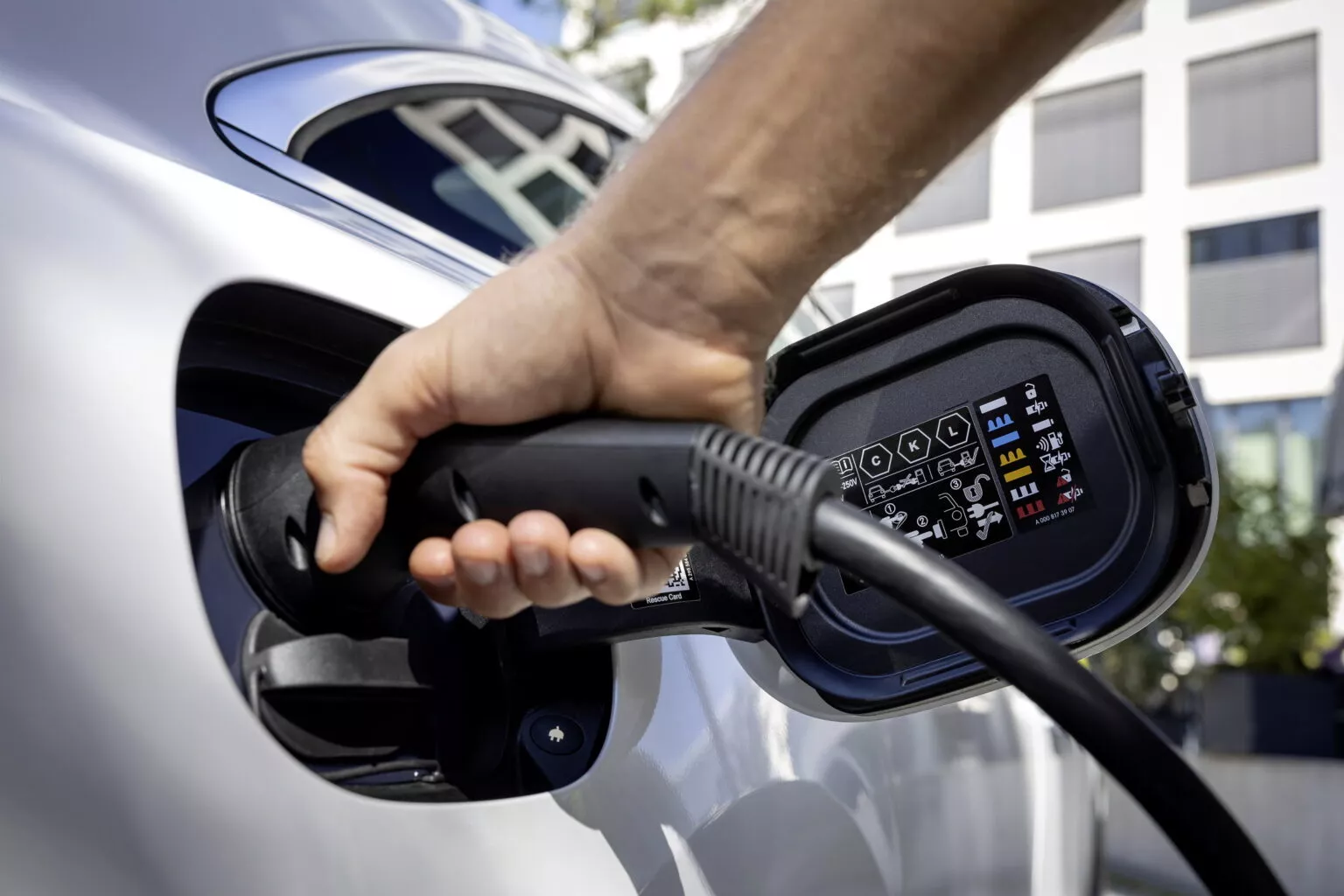
Germany has witnessed a significant surge in the number of electric cars on its roads, according to the Federal Motor Transport Authority. The latest data from the Kraftfahrt-Bundesamt (KBA) reveals a 39.1% increase in electric vehicles (EVs) compared to the previous year, with a total of 1,408,681 electric vehicles counted as of January 1, 2024.
This growth builds on earlier figures from July last year, when 1.17 million electric cars were already registered in Germany. The addition of 326,000 new electric vehicles between July and December further boosted the EV fleet to over 1.4 million at the beginning of 2024.
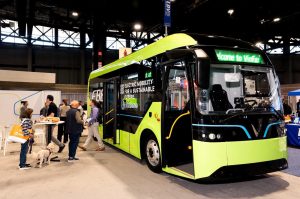
See also: Germany’s Federal Ministry of Transport Awards Funding for 186 Electric Buses
While battery-electric cars saw a significant increase of 39.1%, plug-in hybrids experienced a more modest growth of 6.6%. The number of plug-in hybrids rose from 864,712 on January 1, 2023, to 921,886 on January 1, 2024. The total number of hybrids in Germany reached 1,989,376 units, although KBA does not provide specific figures for fuel cell vehicles.
Despite the growth in electric cars, approximately 44 million passenger cars in Germany still rely on fossil fuels. However, this number is gradually declining, as reflected in the market share of new registrations. Petrol cars decreased by 1.1% and diesel cars by 2%, while natural gas (-4.0%) and LPG drives (-4%) also saw declines.
See also: High Demand Exhausts Funds for Germany’s Electric Vehicle Solar Charging Subsidy
The upcoming end of the subsidy program for electric vehicles, set to expire in December, raises questions about future registration numbers. In January of this year, there were 22,474 new EV registrations, accounting for a 10.5% overall market share. This is compared to an average market share of 18.4% in 2023.
The discontinuation of the environmental bonus will not affect tradespeople, ensuring a stable sales base for battery-electric vehicles (BEVs) supported by the economy. However, there is a possibility that registrations of battery-electric cars may see a delayed impact, similar to the plug-in hybrid curve experienced in 2023. Falling prices for electric cars could offset this trend, with reductions already anticipated.


