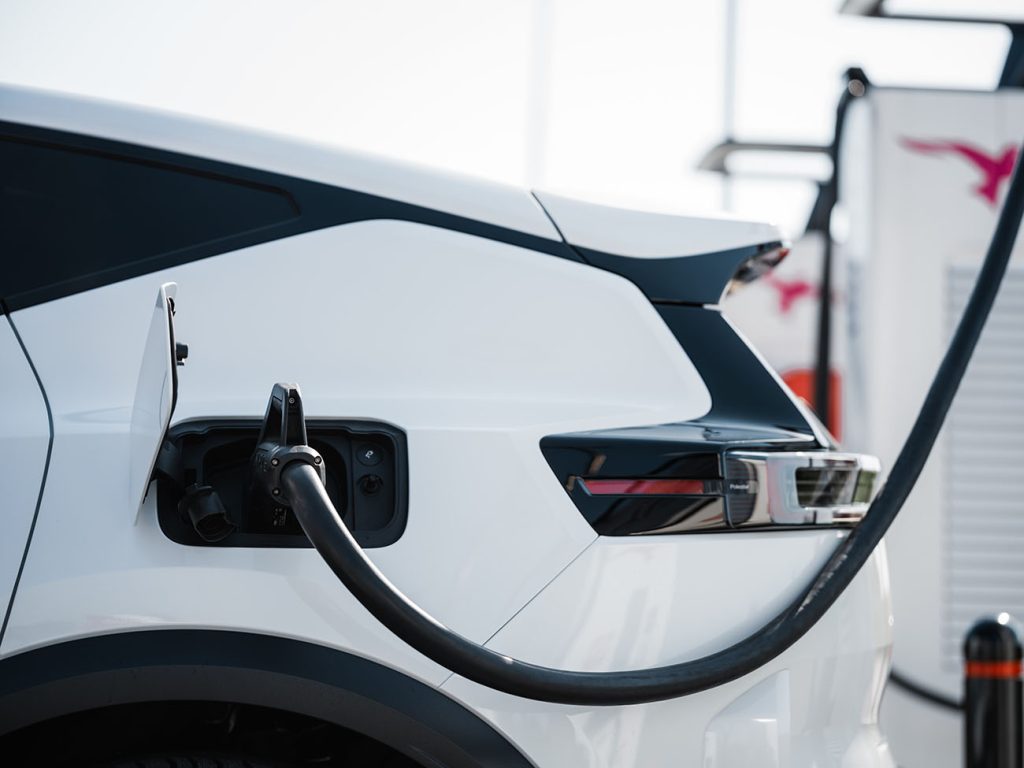





Geely Auto plans to introduce its main Geely brand to Canada in 2027, expanding its international presence as Chinese automakers explore opportunities in the North American market. The company has begun establishing local operations and developing a retail and service network ahead of the planned launch, but has not yet disclosed its initial vehicle lineup, powertrain options or pricing.
In a statement on Friday, Geely said further details about its products and retail locations would be announced as preparations progress. The company is working with local partners to establish sales and after-sales support for Canadian customers.
Geely Builds Canadian Retail and Service Network
Geely Auto Canada managing director Bryan Wu described the Canadian launch as an important step in the brand’s international expansion.
Wu said the company was making a long-term commitment to the market and intended to develop customer support through local partnerships.
Geely said it was working with experienced partners familiar with Canada’s automotive market to build a retail and service network capable of supporting customers throughout vehicle ownership.
The company has not confirmed which models will be introduced first or whether the initial lineup will consist of battery-electric vehicles, plug-in hybrids or vehicles with other powertrains.
The announcement specifically concerns the main Geely brand. Geely Auto Group also includes Zeekr and Lynk & Co, with vehicles from its brands operating in more than 100 countries and regions worldwide.
Canada’s EV Trade Policy Opens Market Opportunities
Geely’s planned entry comes after Canada changed its trade policy toward China-made electric vehicles in 2026.
In January, Canada reached an agreement with China allowing annual imports of up to 49,000 China-made electric vehicles at the most-favoured-nation tariff rate of 6.1%.
The arrangement followed Canada’s introduction of an additional 100% tariff on China-made EVs in October 2024, which was applied on top of the existing 6.1% duty and substantially increased import costs.
The revised framework has created opportunities for Chinese automakers to reconsider their Canadian market strategies. Several manufacturers have been preparing to enter the country or advance local certification and distribution arrangements.
However, Geely has yet to clarify whether its initial Canadian vehicles will be imported from China or sourced through another production arrangement.
Other Chinese Automakers Prepare Canadian Launches
Lotus, which belongs to the broader Geely Holding Group, has already taken steps to ship vehicles to Canada. On May 7, the brand announced that its first batch of 18 Eletre vehicles had been loaded onto a vessel bound for the country.
Other Chinese manufacturers are also exploring the Canadian market. Bloomberg reported in July that Dongfeng Motor was pursuing local vehicle certification, with its distributor indicating that the first two models could arrive in 2027.
These developments reflect growing interest among Chinese automakers in expanding their overseas operations as competition in their domestic market intensifies.
Overseas Expansion Supports Geely’s Growth Strategy
Geely’s Canadian plans form part of its broader international expansion strategy. Overseas sales have become an important contributor to the company’s overall performance as its domestic business faces pressure in China.
Establishing local retail, servicing and customer support capabilities will be an important step in building the brand’s presence in Canada. The company’s initial model selection, pricing and distribution arrangements will help determine how it positions itself against established automakers in the market.
Geely has not provided a detailed launch schedule beyond its planned 2027 entry. Further announcements are expected as its Canadian operations and retail network take shape.