



Ford Motor has developed a new battery cell chemistry called Lithium Manganese Rich (LMR) that it claims could significantly reduce electric vehicle costs while improving range and safety, according to Charles Poon, the company’s head of Electrified Propulsion Engineering.
Writing in a LinkedIn post, Poon described the development as a “pivotal moment” in Ford’s electrification strategy. The new LMR battery cells, developed at Ford’s Ion Park research facility in Michigan, reportedly offer higher energy density than high-nickel alternatives, with safety performance comparable to lithium iron phosphate (LFP) batteries and a cost profile below that of medium-nickel cells.
See also: Ford’s New EV Patent Brings Manual Gear Shift Feel to Electric Vehicles
While Poon did not disclose specific performance figures or chemical composition details, he emphasized that these batteries could “make electric vehicles accessible to more people” by reaching true cost parity with gasoline cars.
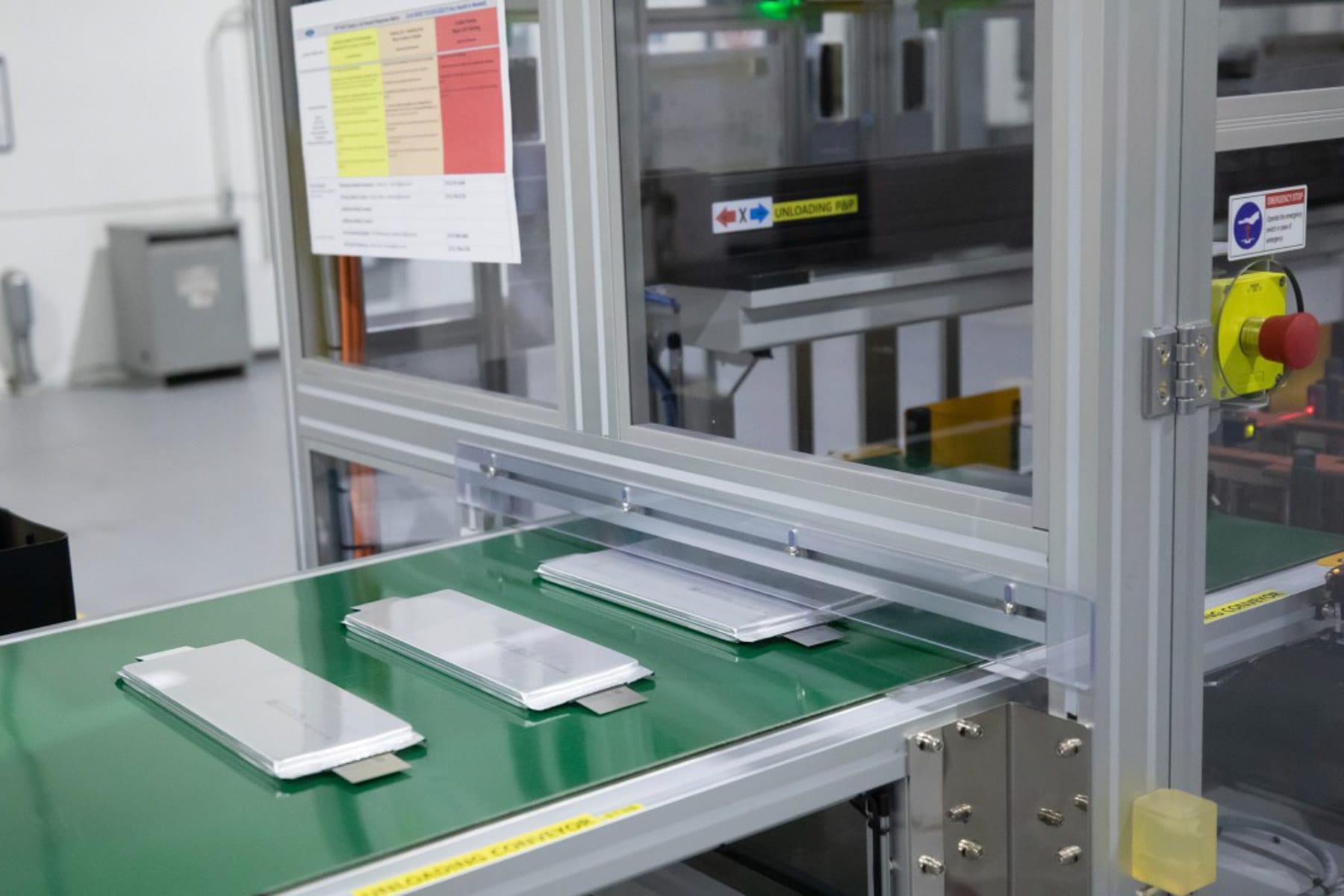
“This isn’t just a lab experiment. We’re actively working to scale LMR cell chemistry and integrate them into our future vehicle lineup within this decade,” Poon wrote, adding that second-generation LMR cells are already in production on a pilot line. A photo shared alongside the post showed pouch-format cells typically used in automotive applications.
See also: Ford Offers Free Home Chargers and More to UK EV Buyers in New Incentive Drive
The LMR breakthrough comes out of Ford’s Ion Park battery innovation center, which was launched in 2021 with a $185 million investment. The facility currently employs over 135 experts, including chemists and engineers from leading battery firms and global research institutions. Ford said Ion Park’s mission is to rapidly scale advanced cell designs using novel materials.
The announcement adds to growing efforts by global automakers to develop proprietary battery chemistries aimed at extending range, improving safety, and lowering costs. While Poon did not reveal a timeline for commercialization or vehicles that may first use the technology, the company plans to integrate the new cells into future EVs before the end of the decade.
Source: Linkedin