


Ford Motor is looking to leverage Chinese battery technology as it seeks to remain competitive in the global electric vehicle (EV) market, CEO Jim Farley said in an interview with The New York Times.
Farley acknowledged that Chinese automakers have gained a significant lead in battery production and technology. “The way we compete with them is to get access to their IP just the way they needed ours 20 years ago, and then use our innovative ecosystem and American ingenuity and our great scale and our intimacy with the customer to beat them globally,” he told the newspaper.
See also: Ford CEO Questions Trump’s Proposed Tariffs on Auto Imports

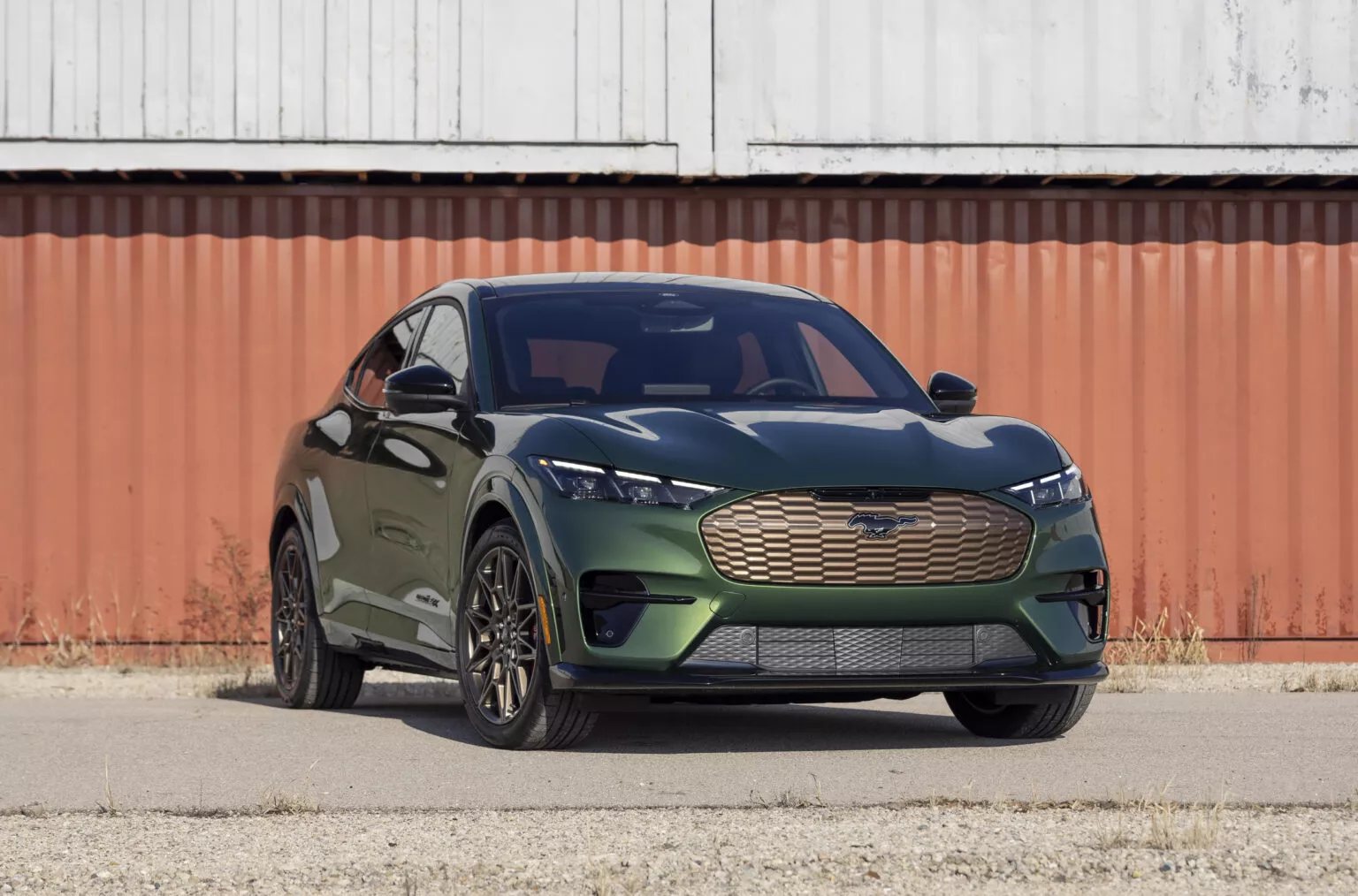
Ford has already taken steps in this direction. Its BlueOval Battery Park, currently under construction, will begin producing lithium iron phosphate (LFP) batteries in 2026 using technology from China’s CATL.
LFP chemistry, which is gaining traction due to its cost-effectiveness and durability, was initially developed in the United States but later commercialized in China after being acquired from A123 Systems, a U.S. battery startup.

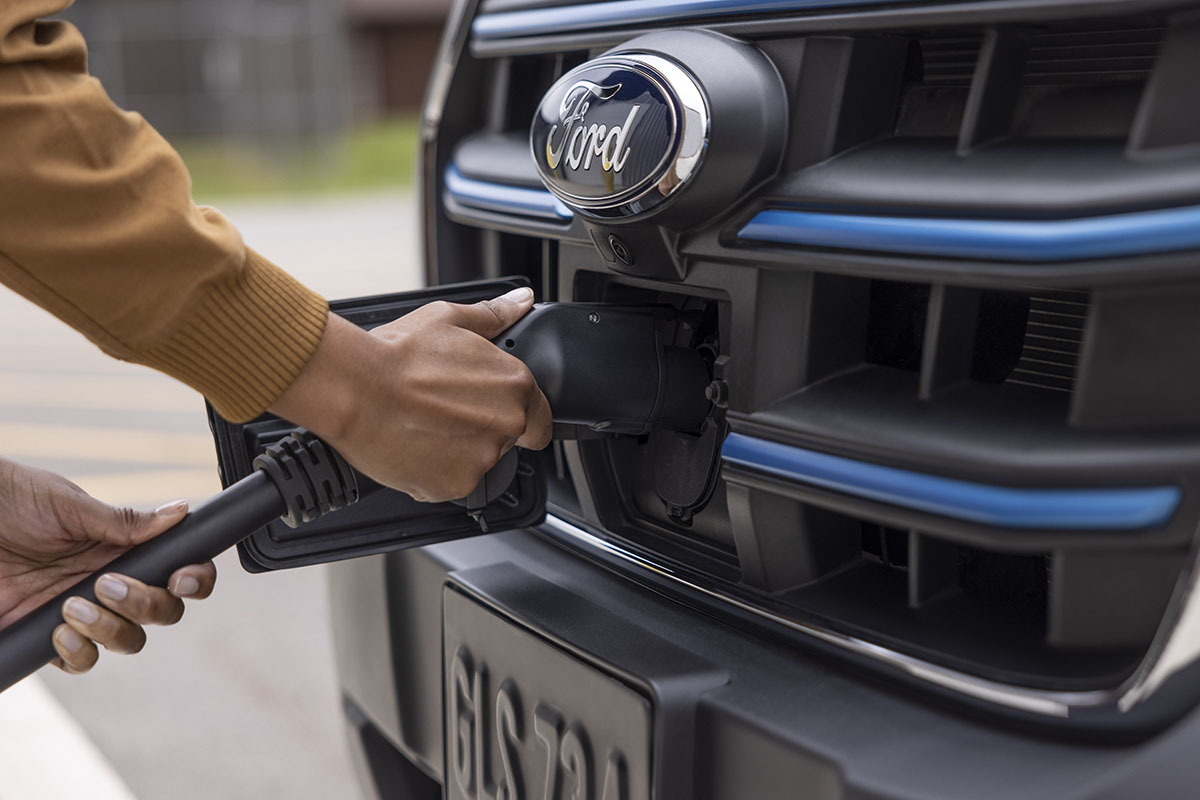
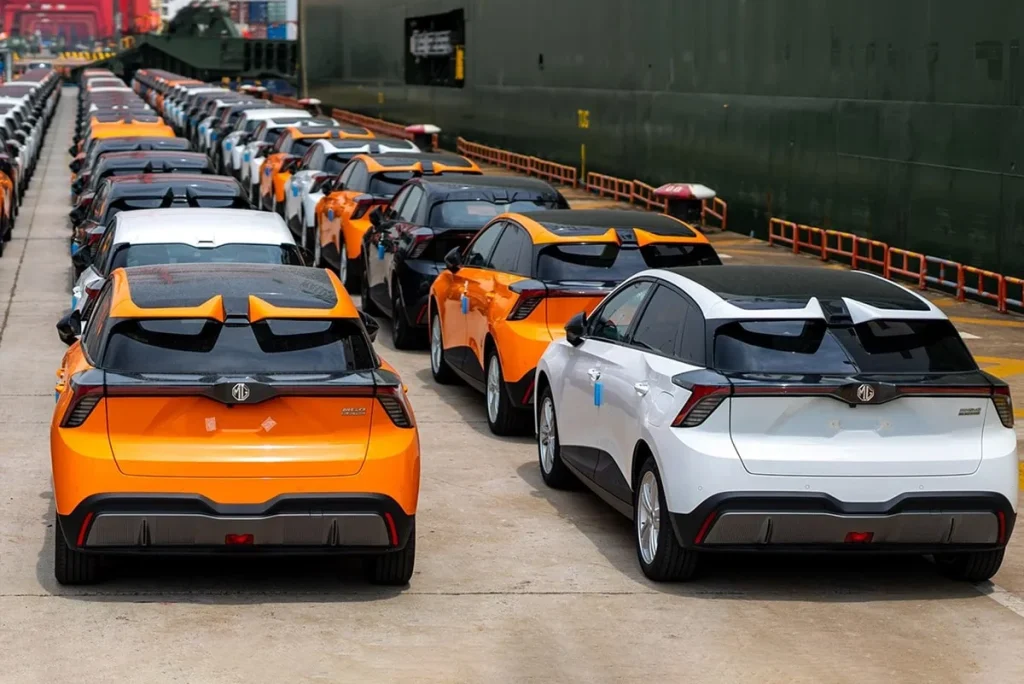
Ford is also developing a sub-$30,000 EV to compete with lower-cost Chinese electric vehicles that are expanding in global markets.
While U.S. tariffs currently limit the impact of Chinese automakers domestically, competition remains strong in other regions where Ford operates.