



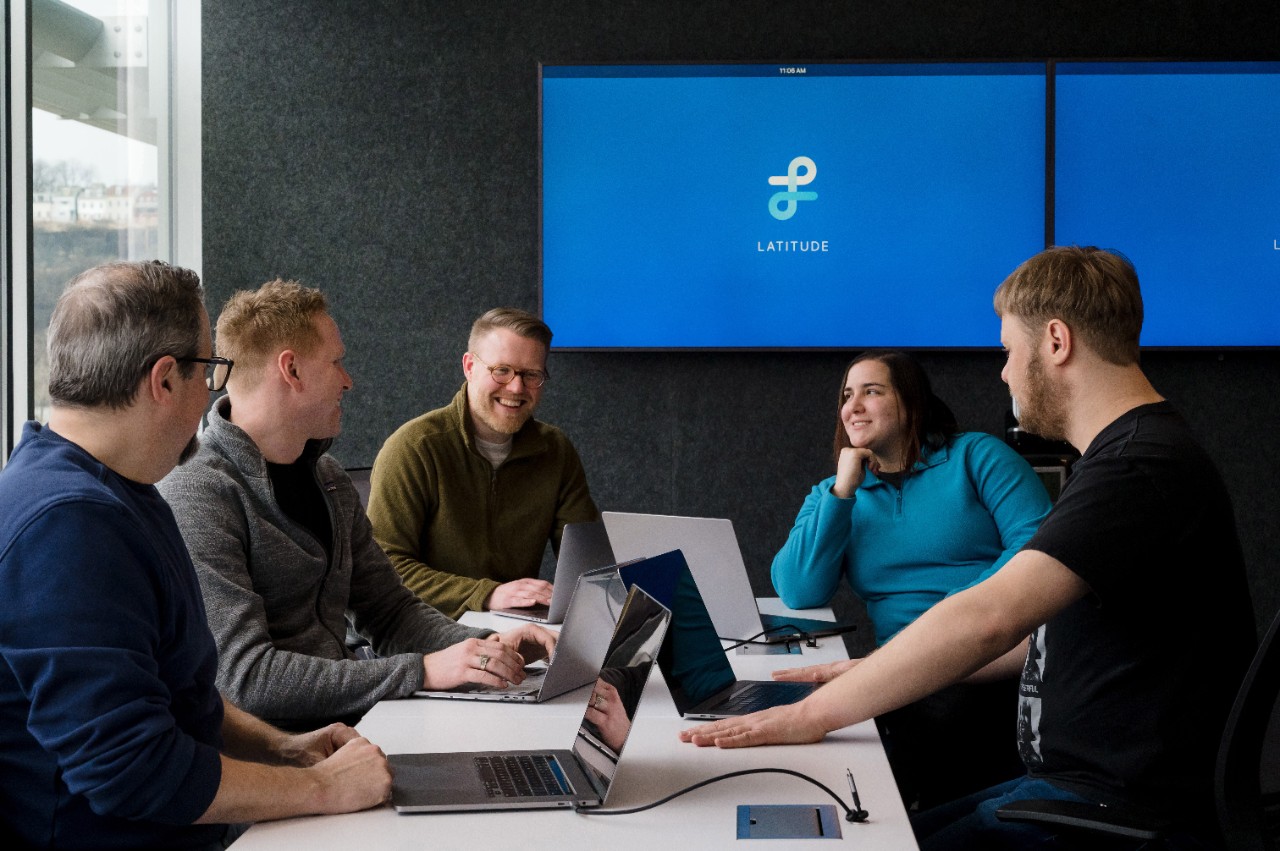
Ford Motor Company is expanding its efforts in the development of automated driving technology by establishing a new subsidiary, Latitude AI. The wholly-owned subsidiary will focus on creating a hands-free, eyes-off-the-road driving system for millions of vehicles. Latitude will bring together a team of experts in machine learning, robotics, software, sensors, systems engineering, and operations to develop the new technology. The subsidiary will be led by Sammy Omari, the Executive Director of ADAS Technologies at Ford, who will serve as its CEO.
Latitude is headquartered in Pittsburgh, with additional engineering hubs in Dearborn, Michigan, and Palo Alto, California. In 2022, Ford hired approximately 550 former employees of Argo AI, who have expertise in machine learning and robotics, cloud platforms, mapping, sensors and compute systems, test operations, systems, and safety engineering.
See also: Ford patents hands-free charging technology for electric vehicles
Doug Field, the Chief Advanced Product Development and Technology Officer at Ford, believes that automated driving technology will redefine the relationship between people and their vehicles. Customers using BlueCruise, Ford’s current hands-free driving system, are already experiencing the benefits of the technology. Field hopes that the Latitude team’s deep experience and talent will accelerate the development of new automated driving technology, making travel safer, less stressful, and more enjoyable.
Sammy Omari adds that automated driving technology will unlock new customer experiences that reduce stress and, in the future, will free up drivers’ time to focus on what they choose. The Latitude team will complement Ford’s in-house global ADAS team in developing future driver-assist technologies.
See also: Toyota adds Level 2 hands-free driver assistance to hydrogen-powered 2022 Mirai
Ford’s BlueCruise has already logged over 50 million miles of hands-free driving, and the development of new technology by Latitude AI is expected to further improve safety and the overall driving experience. Ultimately, the technology aims to give customers some of their time back, enabling them to focus on other activities while their vehicle drives them to their destination.


