



The European Commission’s plan to introduce a new vehicle category for small battery-electric cars could prompt Volkswagen Group brands Audi and Škoda to accelerate development of entry-level electric models, according to media reports.
The proposed category, designated M1E, would apply to passenger cars under 4.20 meters in length and is part of the Commission’s broader “Automotive Package” unveiled in December. The initiative aims to stimulate demand for affordable electric vehicles while providing regulatory flexibility on fleet emissions targets.
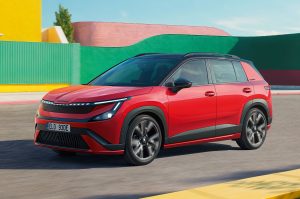
Spanish publication La Tribuna de Automoción reported that the policy shift is reviving previously shelved plans within Volkswagen Group for additional models in its Electric Urban Car Family. Škoda is said to be considering a second vehicle alongside the already confirmed Epiq, while Audi could enter the small EV segment for the first time with a compact model.
According to the report, both projects had been evaluated around 2021 but were later abandoned. The new regulatory framework has reportedly brought them back into consideration. A potential Audi model—often speculated to be an electric successor to the A1—could arrive around 2029 or 2030, with a Škoda counterpart possibly following in the early 2030s, though neither timeline has been officially confirmed.
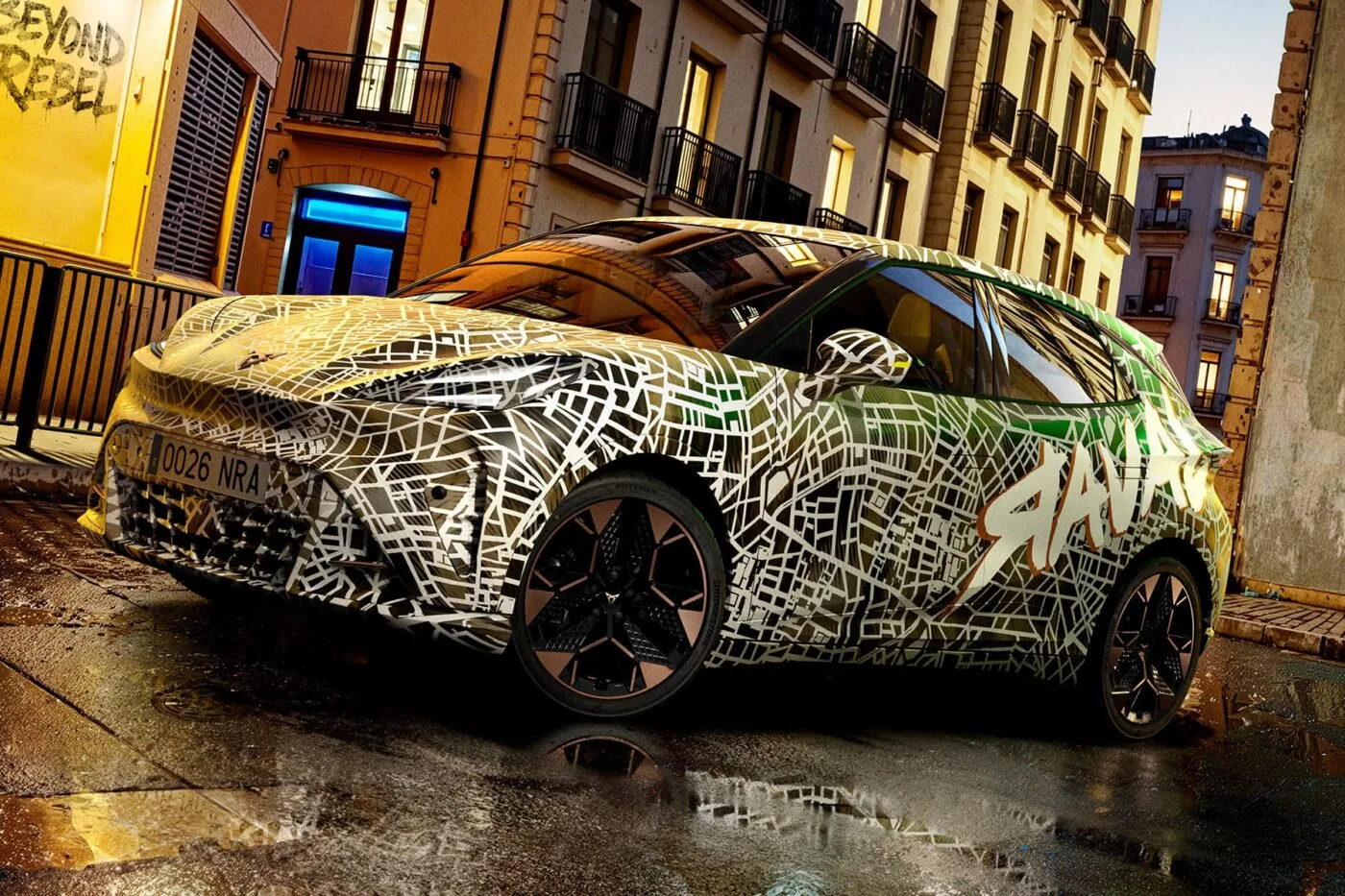
Confirmed members of the small-car family already include the Cupra Raval, Volkswagen ID. Polo, Volkswagen ID. Cross and Škoda Epiq, all slated for production in Spain. The Raval is expected to be the first to enter the market, with order books opening in the first half of 2026.
The Commission’s proposal reflects growing concern that the electric vehicle market has focused largely on higher-margin segments, leaving affordable options scarce. To address this, the EU plans to introduce so-called “super credits,” under which qualifying small EVs would count more heavily in manufacturers’ fleet emissions calculations. For example, one eligible vehicle could be counted as 1.3 vehicles when determining compliance.
“This will enable Member States and local authorities to develop targeted incentives, stimulating demand for small EVs made in the EU,” the Commission said when presenting the plan.
The policy reportedly originated from France and Spain, which have advocated maintaining the 2035 emissions targets while boosting adoption through incentives rather than stricter rules. Automakers such as Renault and Stellantis are said to support the new category.
Several upcoming models from European manufacturers would fall within the proposed M1E size threshold, including compact vehicles from Renault and Stellantis brands. Larger small SUVs such as the Ford Puma Gen-E, Volvo EX30 and Kia EV3 would exceed the limit.
According to reports, only battery-electric vehicles produced within the European Union would qualify for the benefits, reflecting a broader “Europe-first” approach to industrial policy. This could exclude certain imported models that otherwise meet the size criteria.
The proposal has yet to be finalized, and details on implementation and timelines remain under discussion.


