



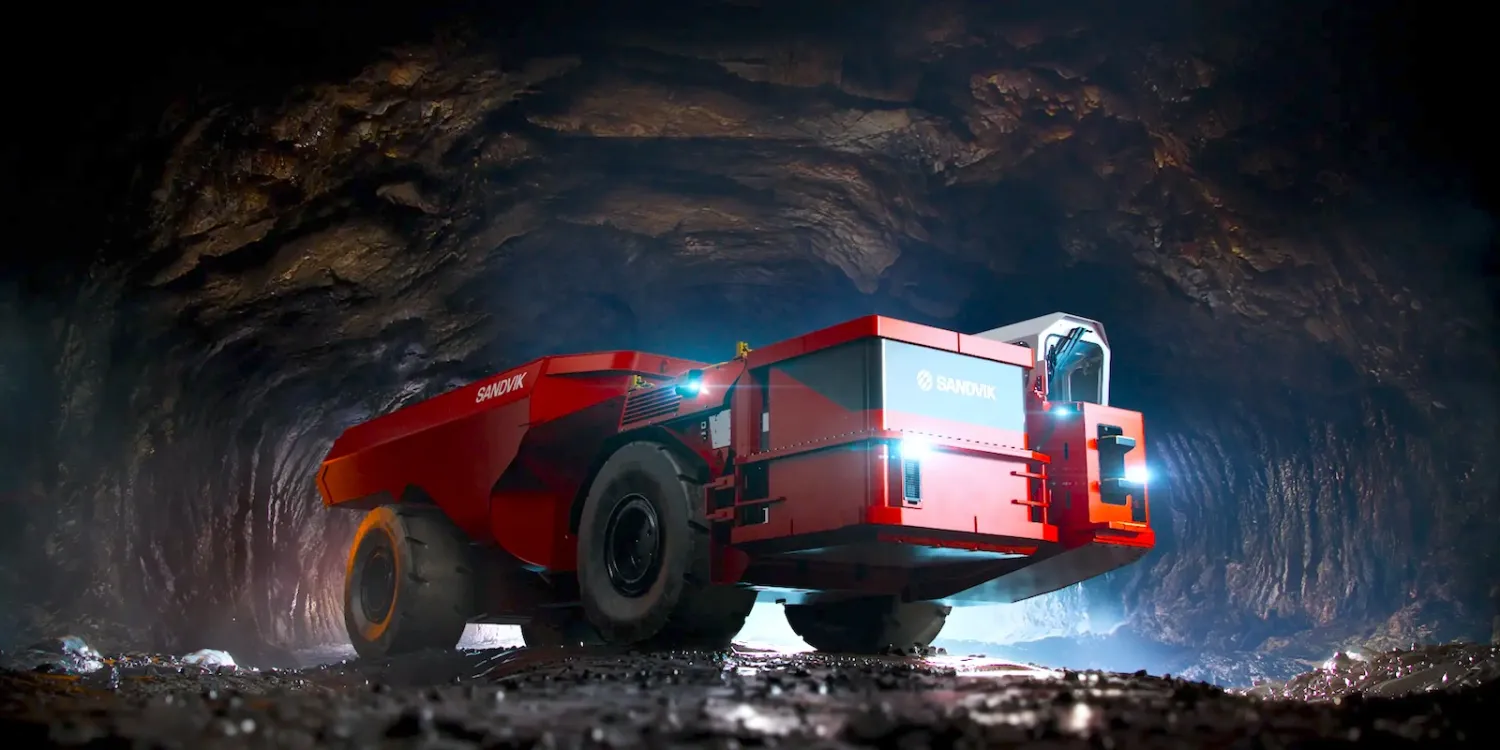
The global market for electric mining machines is expected to grow significantly over the next two decades as mining companies, equipment manufacturers and governments increase efforts to reduce emissions and improve the efficiency of mining operations.
According to IDTechEx’s “Electric Vehicles in Mining 2027-2047: Technologies, Players, Forecasts” report, the global market for electric mining machines is forecast to exceed US$27 billion by 2047. The market has developed considerably over the past five years as electric powertrains have increasingly been applied to mining equipment.
Operating Costs Support Mining Electrification
Mining is a significant source of global greenhouse gas emissions, with diesel-powered mining equipment accounting for a substantial share of the industry’s direct emissions.
Electric machines can reduce direct emissions while also providing operational benefits. Compared with diesel equipment, electric vehicles produce less heat, noise and vibration and have no direct tailpipe emissions. These characteristics can be particularly relevant to underground mining, where reduced emissions can lower the demand for ventilation.
Electric drivetrains can also have fewer moving parts and may require less maintenance. In addition, electric machines do not consume energy while stationary or idling in the same way as conventional combustion-powered equipment.
According to IDTechEx, operating costs are an important factor supporting adoption. Although electric mining machines generally have higher upfront costs than diesel alternatives, lower electricity costs can offset the initial premium over the vehicle’s operating life. The report identifies total cost of ownership as a key consideration, particularly for machines operating for long periods and at high utilization rates.
Battery Runtime Remains a Challenge
Despite recent progress, battery capacity and operating time remain important barriers to wider adoption.
Many current electric mining machines can operate for approximately six hours before requiring recharging. While this represents progress in battery-powered mining equipment, it remains below the near-continuous operation possible with conventional diesel machines.
Mining applications therefore require further development in battery capacity, energy density and charging technology. Larger battery packs could extend operating periods, while higher-power charging systems could reduce the time machines spend out of service.
The high utilization rates of mining equipment make minimizing charging downtime particularly important for maintaining productivity.
Mining Sites Face Charging Infrastructure Constraints
Charging infrastructure presents another challenge, particularly at remote mining operations where grid connections may be limited or unreliable.
Greater adoption of electric equipment could substantially increase electricity demand at mining sites. Mines may therefore need to upgrade electrical infrastructure and consider additional power solutions.
Potential approaches include battery energy storage systems and microgrids, which could provide additional flexibility for sites with limited grid capacity or variable electricity supply.
Policy Support Varies Between Mining Markets
Government policies addressing the electrification of mining equipment remain limited compared with broader transport electrification programmes.
According to IDTechEx, Canada has introduced specific measures targeting the electrification of mining machines, while China, India and Australia have broader mobility policies that have also contributed to some equipment electrification.
The United States, despite having a large mining industry, does not currently have a specific regulatory framework aimed at encouraging the adoption of electric mining machines.
IDTechEx expects mining companies themselves to remain an important driver of adoption, alongside continued development of electric vehicle and battery technologies.
Battery Development Could Support Larger Mining Machines
Battery technology is expected to play an important role as electric mining equipment moves into larger and more demanding applications.
The development of larger battery systems at the megawatt-hour scale could extend the operating range of large electric mining trucks and other high-capacity machines. Improvements in battery energy density could also increase runtime without requiring proportional increases in battery weight or size.
At the same time, declining lithium-ion battery costs could reduce the upfront price difference between electric and diesel equipment, potentially improving the economic case for electric machines.
Electric Mining Vehicle Market Set for Long-Term Growth
IDTechEx expects the adoption of electric mining machines to increase over the next 20 years as manufacturers continue developing vehicles, batteries, electric drivetrains and charging systems.
The company’s market outlook forecasts the global electric mining vehicle market to exceed US$27 billion by 2047. The report covers machine categories including haul trucks, dump trucks, wheel loaders, underground loaders, underground trucks, mining light vehicles and other mining vehicles.
It also provides forecasts for electric mining vehicle sales, battery demand and market value, segmented across the USA, Canada, Europe, China, Australia and the rest of the world.
The report assesses the development of electric mining equipment alongside battery and charging technologies, with total cost of ownership and infrastructure requirements remaining important factors in determining how quickly mining fleets transition from diesel to electric power.


