


Norway saw 10,852 new electric cars registered in October 2025, representing a 22 per cent decline from September and a slight year-on-year decrease. However, battery electric vehicles (EVs) still dominated the market, accounting for 97.4 per cent of all new car sales during the month, according to data from the Norwegian Road Information Council (OFV).
The OFV said that October’s dip falls within the seasonal norm, noting that the year-to-date EV market share has reached 95.2 per cent, compared with 88.8 per cent over the same period in 2024. Overall, 124,463 new cars were registered in the first ten months of 2025, marking a 20.4 per cent increase year-on-year. Of these, 118,460 were fully electric vehicles. Plug-in hybrid petrol cars followed as the second-largest segment, with 2,198 new registrations and a 1.8 per cent market share.
See also: Kempower Installs Norway’s First Megawatt-Capable Charging Facility for ASKO Trucks

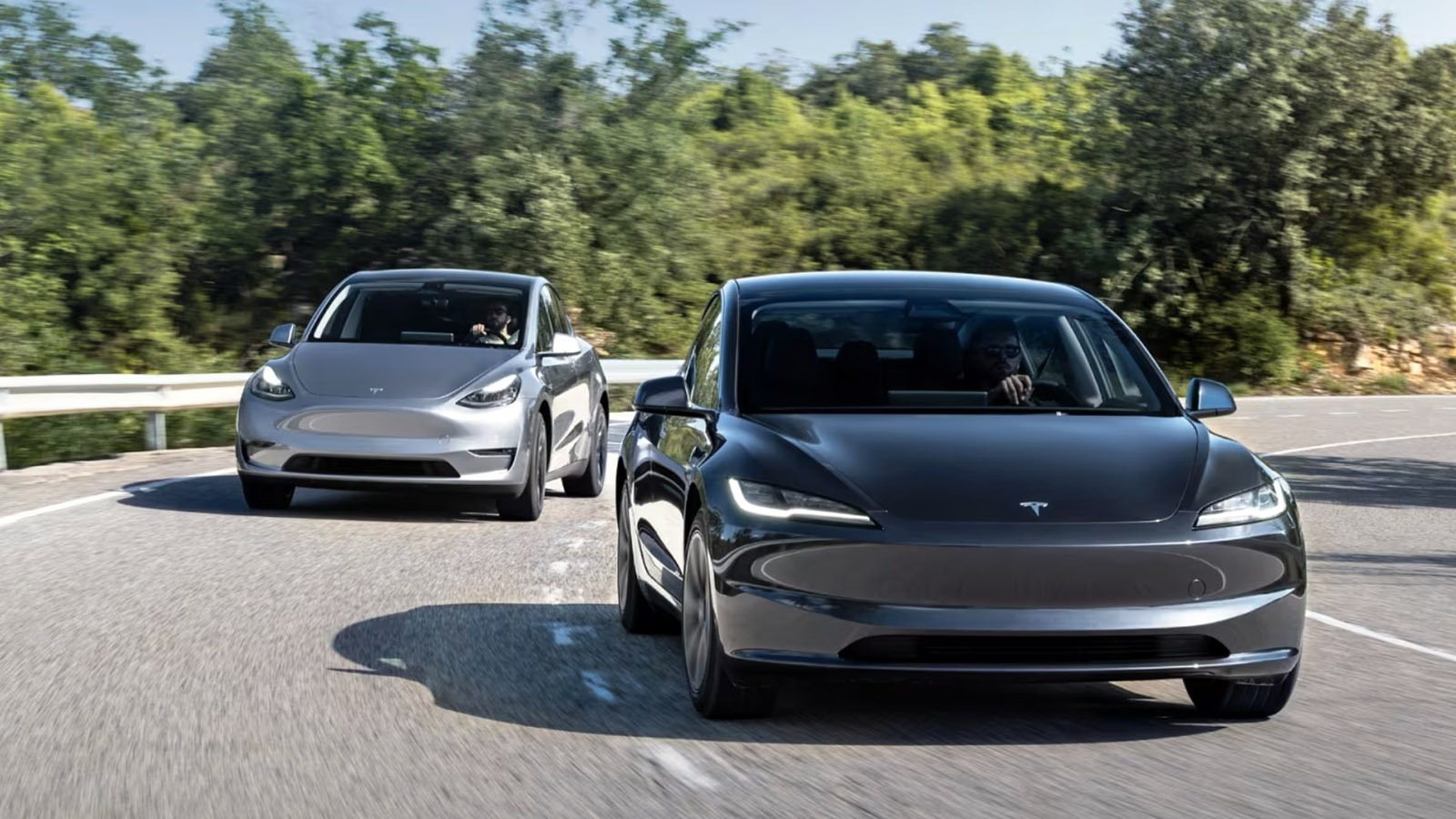
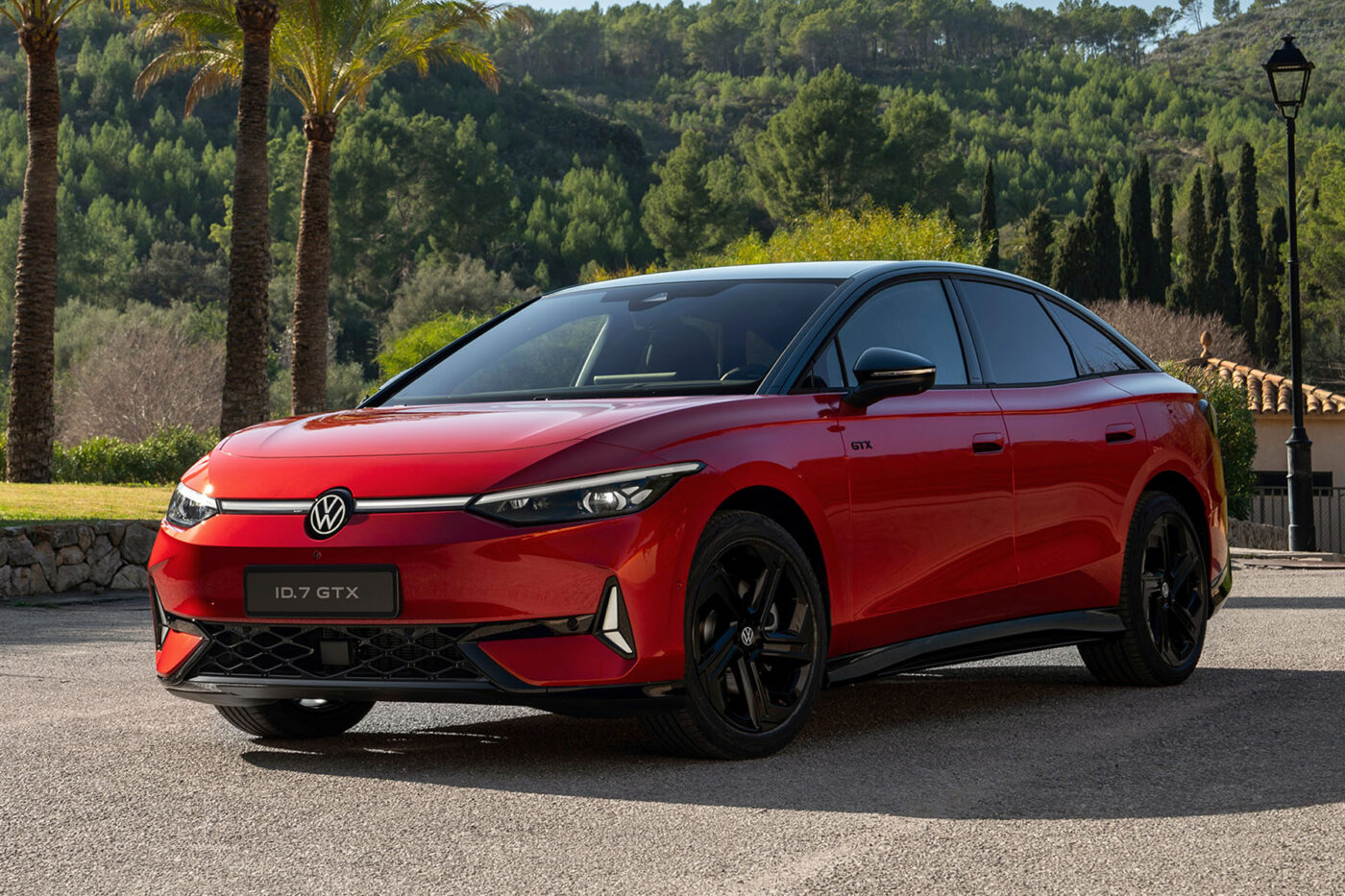
Volkswagen was the top-selling brand in October with 1,565 new vehicles, all electric, followed by Volvo with 1,165 and BMW with 960. Tesla registered 671 vehicles, mainly Model Ys, which remained Norway’s best-selling model for the month with 592 units. It was closely followed by the Volvo EX40 (586) and VW ID.7 (585), each holding around a 5.3 per cent market share.
OFV Director Geir Inge Stokke noted that some buyers might advance their purchases to benefit from the current VAT exemption before new tax rules take effect in 2026. He also pointed to growing competition among automakers, with “new models establishing themselves quickly, and sales being distributed more evenly across several brands,” suggesting that “the electric car market is maturing.”
See also: Norway to Phase Out Electric Vehicle Subsidies as Autonomous Mobility Transition Nears Completion

The van sector also showed growing electrification, with 45.9 per cent of the 2,713 new vans registered in October being electric. Year-to-date figures indicate that 44.8 per cent of all new vans in 2025 are battery-powered, up from 28.7 per cent last year. Stokke said that while progress continues, “many companies face greater financial challenges than before,” emphasizing the need for stable incentives and policy support.