Electric and hybrid vehicles accounted for more than 92% of imported passenger car registrations in South Korea in October, reflecting a significant shift in the market toward electrified powertrains. Gasoline and diesel models together represented less than 8% of registrations, while electric vehicles narrowly led hybrids.
The Korea Automobile Importers & Distributors Association (KAIDA) reported on November 4 that newly registered imported passenger cars reached 31,117 units in October, up 29.3% from 24,064 units a year earlier. However, registrations declined 10.8% from September’s 34,904 units.
Cumulative registrations from January through October totaled 310,846 units, an increase of 24.6% from 249,412 units in the corresponding period of 2025.
The growth contrasted with domestic sales by South Korea’s five major automakers. Their combined domestic sales reached 105,588 vehicles in October, up 3.1% year on year. For the first 10 months, domestic sales fell 7.1% to 1,053,585 units.
Tesla Leads Imported Brand Rankings
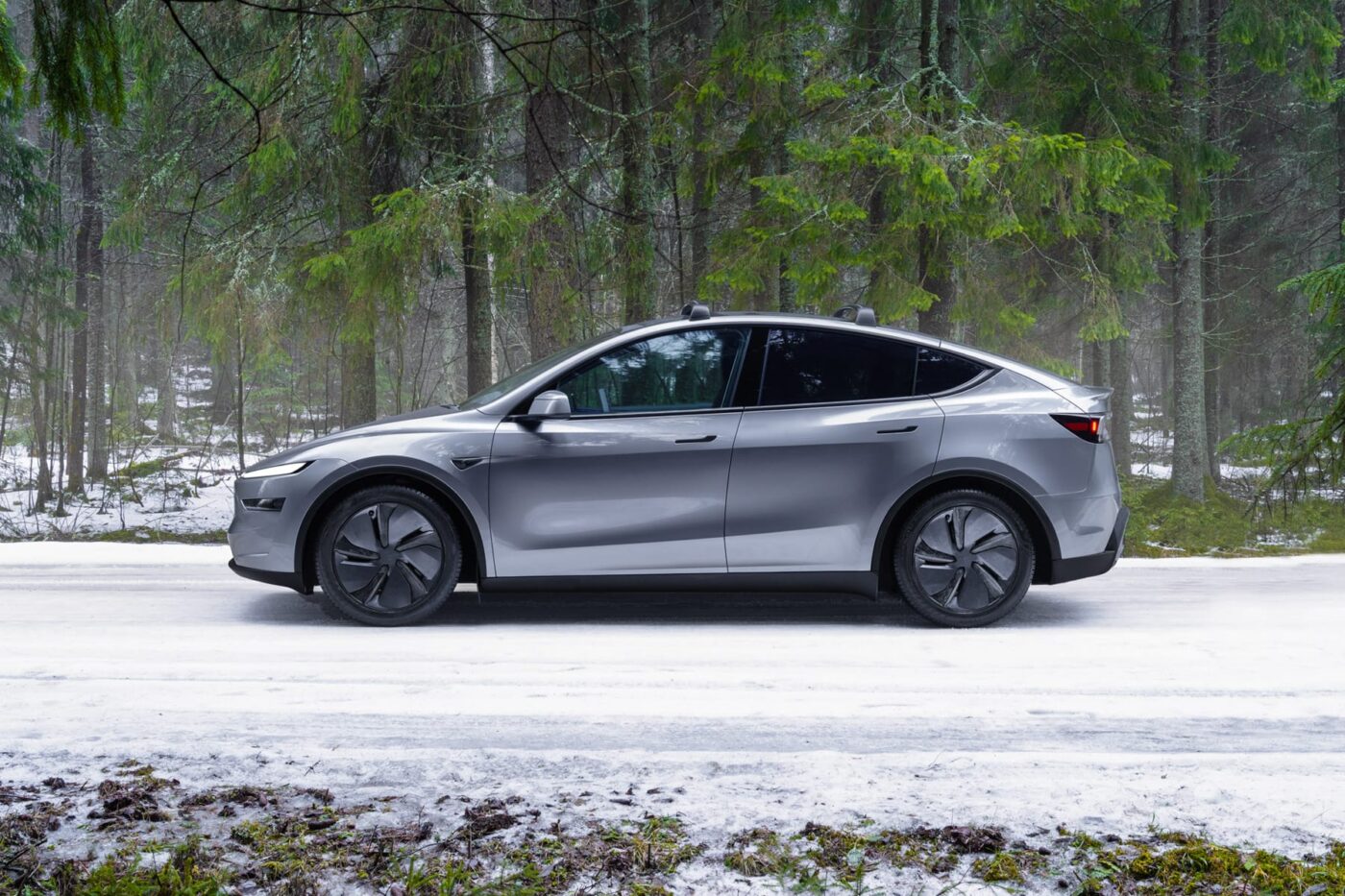
Tesla remained South Korea’s leading imported car brand in October, recording 9,165 registrations and extending its position at the top for nine consecutive months since February.
Mercedes-Benz ranked second with 6,744 units, followed by BMW with 5,633. Volvo placed fourth with 1,682 registrations, while BYD ranked fifth with 1,594 units. Chinese automaker Zeekr recorded 129 registrations in its first month of reported sales in the country.
Tesla also led the individual model rankings. The Model Y Premium topped the list with 5,501 registrations, followed by the Mercedes-Benz E 200 at 2,836 units and the Tesla Model 3 at 2,199.
Despite its position among imported models, the Model Y lost the overall passenger car sales lead in October. The Kia Sportage ranked first across the broader market with 7,708 units, ending the Tesla model’s three-month run at the top from July through September.
Tesla Registrations Decline From September
Tesla’s October registrations fell 25.9% from 12,372 units in September, reducing its monthly share of the imported car market from 35.4% to 29.5%.
Mercedes-Benz moved in the opposite direction, with registrations increasing 23.1% month on month to 6,744 units. BMW registrations declined 7.1% to 5,633 units.
Combined, the two German manufacturers registered 12,377 vehicles in October, exceeding Tesla’s total by more than 3,200 units.
Electrified Models Make Up More Than 92% of Registrations
Electric vehicles recorded 14,424 registrations in October, representing 46.4% of imported passenger car sales. Hybrid vehicles followed closely with 14,272 units, or 45.9%.
Together, the two powertrain categories accounted for approximately 92.2% of the market. Gasoline vehicles represented 6.8%, with 2,130 registrations, while diesel models accounted for just 0.9%, or 291 units.
Electric vehicles nevertheless lost share compared with September, when they represented 52.1% of imported car registrations. Their October share declined by 5.7 percentage points, narrowing the difference between EV and hybrid registrations to just 152 units.
European Brands Retain the Largest Regional Share
European manufacturers accounted for the largest portion of imported car registrations, with 17,573 units, equivalent to 56.5% of the October total.
U.S. brands followed with 9,336 registrations, or 30.0%, supported by Tesla’s sales. Japanese brands represented 8.0%, while Chinese manufacturers accounted for 5.5%.
Individual customers made up 65.5% of imported car purchases, compared with 34.5% for corporate buyers.
KAIDA Vice Chairman Jung Yoon-young attributed the monthly decline partly to lower electric vehicle sales at some brands and supply shortages. He noted that although the imported car market continued to expand year on year, monthly registration figures remained influenced by brand-specific supply conditions.