


Swedish electric and autonomous freight technology company Einride is set to become a publicly traded company after shareholders of Legato Merger Corp. III approved a business combination valuing the company at approximately US$1.35 billion. The transaction received shareholder approval on June 4, 2026, and is backed by a US$113 million oversubscribed capital raise involving institutional investors, including Stockholm-based EQT Ventures.
Upon completion of the merger, the combined company’s ordinary shares, represented by American Depositary Shares (ADSs), and warrants will begin trading on the Nasdaq stock exchange under the ticker symbols ENRD and ENRDW.
Public Listing Supports Growth Ambitions
The transaction marks a significant milestone for Einride as it seeks to accelerate deployment of its electric and autonomous freight technologies across global logistics networks.
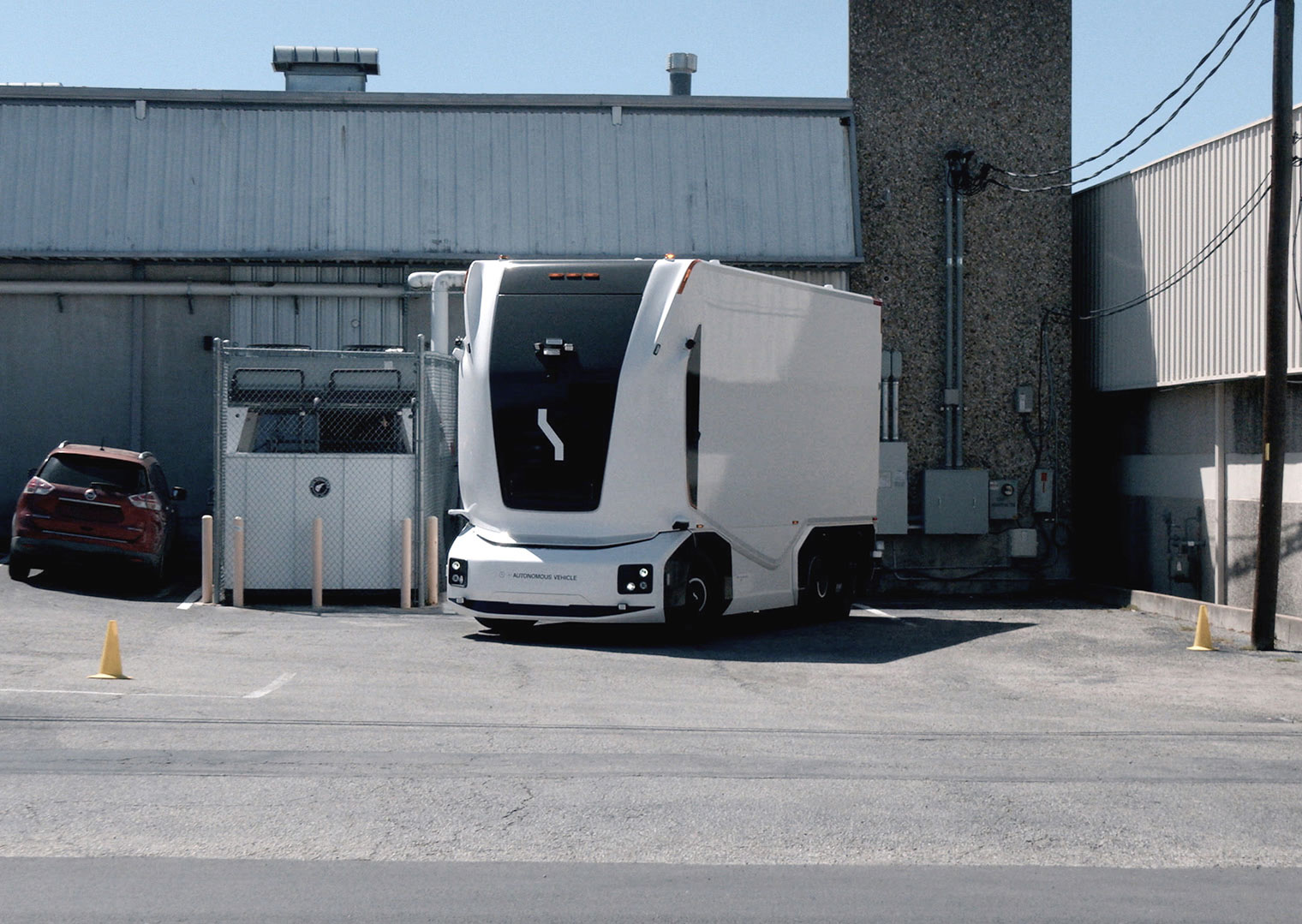
The company has positioned itself as a provider of integrated freight solutions that combine electric vehicles, autonomous transportation systems, charging infrastructure, and digital freight management software.
The Nasdaq listing is expected to provide additional capital and market access as demand for low-emission freight transportation continues to grow.
Growing Customer Base and Contract Pipeline
According to the company, Einride currently serves more than 30 enterprise customers across seven countries. The company reports approximately US$92 million in expected annual recurring revenue (ARR) from signed customer contracts.
Beyond existing agreements, Einride said joint business plans developed with major enterprise customers indicate a potential long-term annual recurring revenue opportunity exceeding US$800 million.
The figures suggest that much of the company’s future growth strategy is tied to expanding deployments with existing customers as they increase adoption of electric and autonomous freight solutions.
Investor Demand Highlights Confidence in Autonomous Freight
The transaction was supported by a US$113 million financing round that was oversubscribed, indicating demand from institutional investors despite ongoing challenges in the autonomous transportation sector.
Participants included EQT Ventures and a US-based asset management firm focused on growth investments. The strong investor response reflects confidence in the long-term commercial potential of autonomous freight operations and the broader transition toward decarbonized logistics.
Focus on Electric and Autonomous Freight Networks
Einride has developed a business model centered on replacing conventional diesel freight operations with electric and autonomous alternatives. The company combines vehicle technology with software platforms designed to optimize freight movements, energy usage, and logistics efficiency.
“At Einride, we are redesigning the way freight moves. We are building the world’s most efficient freight network and going public gives us the platform to deploy our electric and autonomous technologies at the speed this market demands,” said Roozbeh Charli, Chief Executive Officer of Einride.
Autonomous Logistics Moves Toward Mainstream Adoption
The public listing comes as freight operators and shippers increasingly explore autonomous and electric technologies to reduce operating costs, improve efficiency, and meet sustainability targets.
While widespread deployment of fully autonomous freight vehicles remains at an early stage, companies such as Einride are positioning themselves to capitalize on future growth by establishing customer relationships, operational experience, and infrastructure ahead of broader market adoption.
The successful completion of the business combination will provide Einride with additional resources to expand its technology platform and support the rollout of electric and autonomous freight services across existing and new markets.