





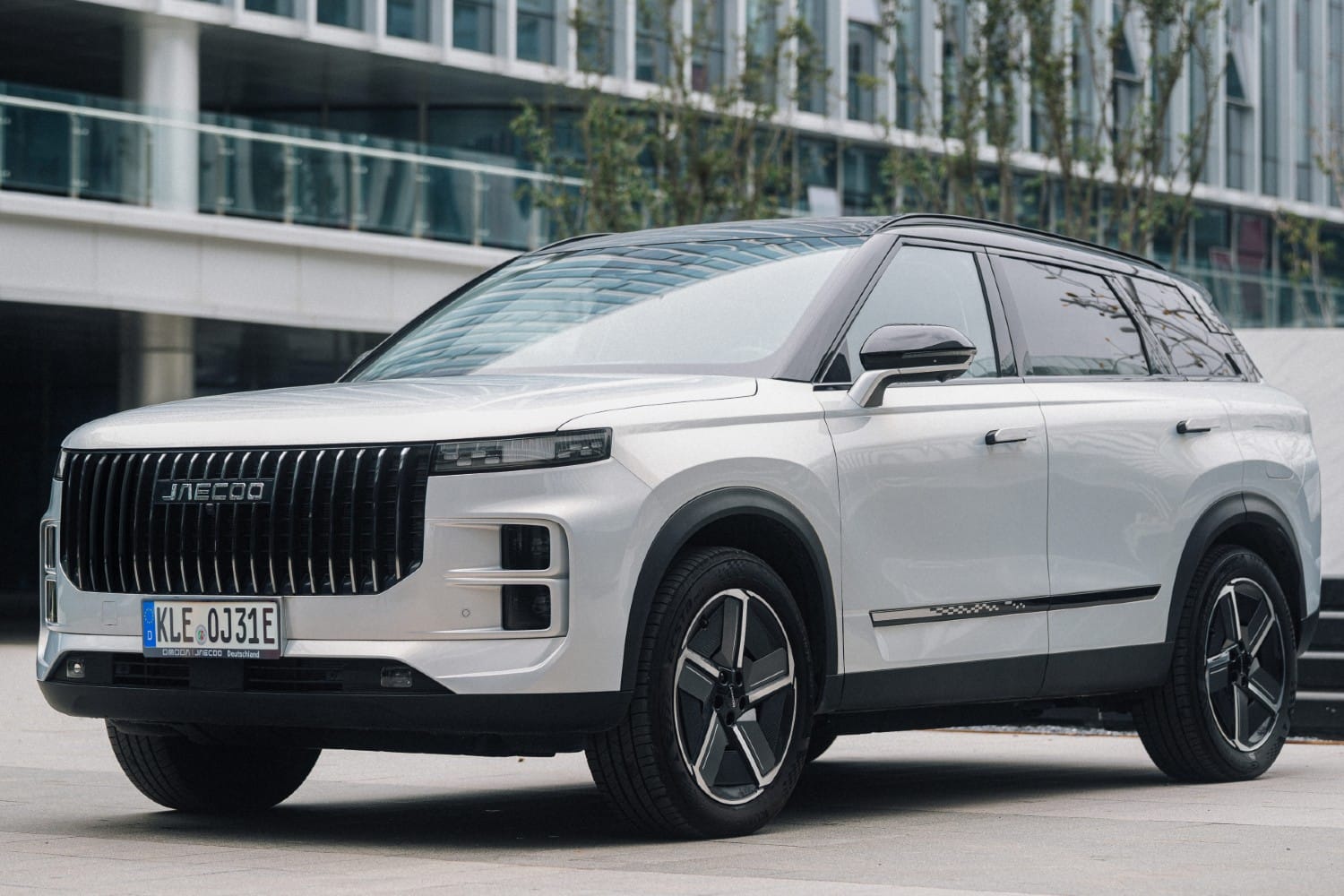
Chinese electric vehicle manufacturers have expanded rapidly across Europe in recent years, supported by competitive pricing, extensive equipment packages and attractive leasing offers. However, new market data suggest that depreciation rates for some Chinese electric vehicles are becoming a growing concern for consumers and industry participants.
According to figures from Germany’s vehicle valuation specialist DAT, Chinese electric vehicles and plug-in hybrids are currently depreciating significantly faster than the broader automotive market.
The trend is creating challenges for vehicle owners, leasing companies and manufacturers as residual values come under pressure.
Residual Values Under Pressure
DAT data indicate that Chinese electric vehicles and plug-in hybrid models are losing value at a faster pace than the industry average.
Rapid depreciation can affect multiple stakeholders across the automotive value chain.
Vehicle owners may face lower resale values when trading in their vehicles, while leasing companies can encounter larger-than-expected losses when vehicles are returned at the end of lease agreements.
Manufacturers offering guaranteed buyback programs may also face increased financial exposure if used vehicle values decline more rapidly than anticipated.
Confidence in Long-Term Market Presence
Martin Weiss of DAT said that product quality alone is not sufficient to establish strong long-term residual values.
“It is not enough to launch a good product,” Weiss told Automotive News Europe.
Industry analysts note that some European consumers remain uncertain about the long-term presence of newer Chinese brands in the region.
Questions surrounding future dealer networks, servicing capabilities, spare parts availability and long-term support can influence purchasing decisions in the used vehicle market.
Such concerns may contribute to weaker demand for used vehicles from relatively new market entrants.
Broader Pressure on EV Values
The decline in residual values is not limited to Chinese brands.
According to figures cited by the Financial Times from automotive data provider Indicata, electric vehicle values in the United Kingdom have fallen more broadly across the market.
The data showed that average three-year-old electric vehicles in the UK retained approximately 38% of their original value as of last month.
By comparison, similar vehicles in Germany, France and Spain retained around 46% of their original value.
For conventional vehicles in the UK, three-year-old petrol models retained approximately 45% of their value, while hybrid vehicles retained about 51%.
New Vehicle Discounts Affect Used Market
Industry observers point to aggressive discounting in the new vehicle market as one factor contributing to weaker used EV values.
Automakers have been offering substantial incentives and promotional financing packages to support electric vehicle sales and meet regulatory targets.
As a result, lightly used electric vehicles can appear less attractive when compared with heavily discounted new models.
The competitive pricing environment has intensified pressure on residual values throughout the EV market.
Rapid Technology Cycles Add Pressure
Another factor influencing depreciation is the pace of technological development.
Many Chinese manufacturers introduce vehicle updates, software improvements and new model generations at a rapid rate.
While this accelerates innovation and product development, it can also shorten the perceived lifespan of existing models in the marketplace.
As newer vehicles arrive with improved batteries, charging capabilities and driver-assistance technologies, earlier models may experience faster depreciation.
Industry Challenges Ahead
The residual value issue highlights one of the key challenges facing emerging automotive brands as they expand internationally.
While competitive pricing and advanced technology have helped Chinese manufacturers gain market share in Europe, long-term success may also depend on building consumer confidence in brand stability, aftersales support and vehicle value retention.
As electric vehicle adoption continues to grow, residual values are likely to remain an important consideration for consumers, leasing providers and automakers seeking sustainable growth in the European market.


