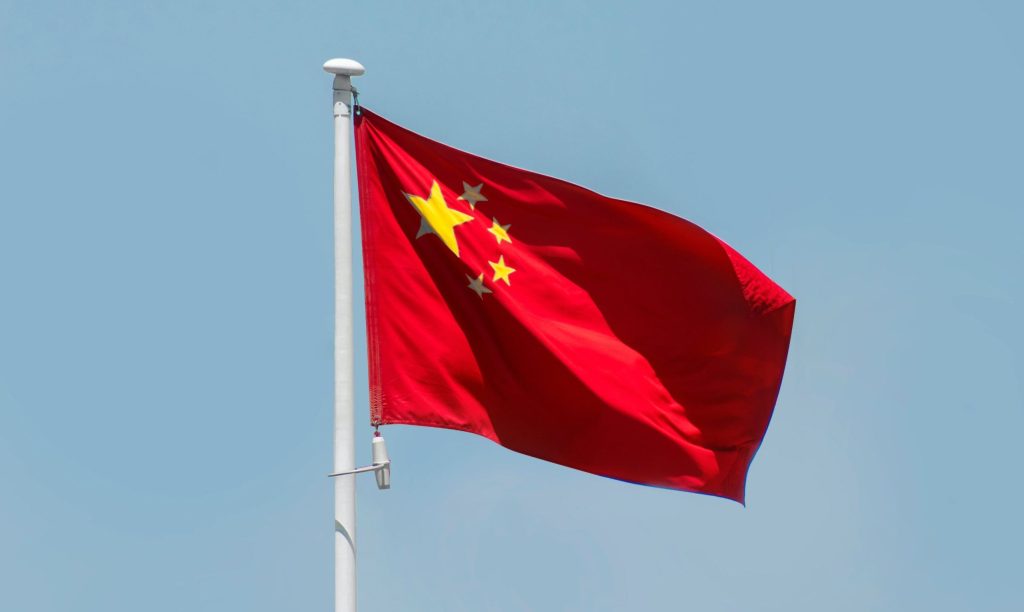


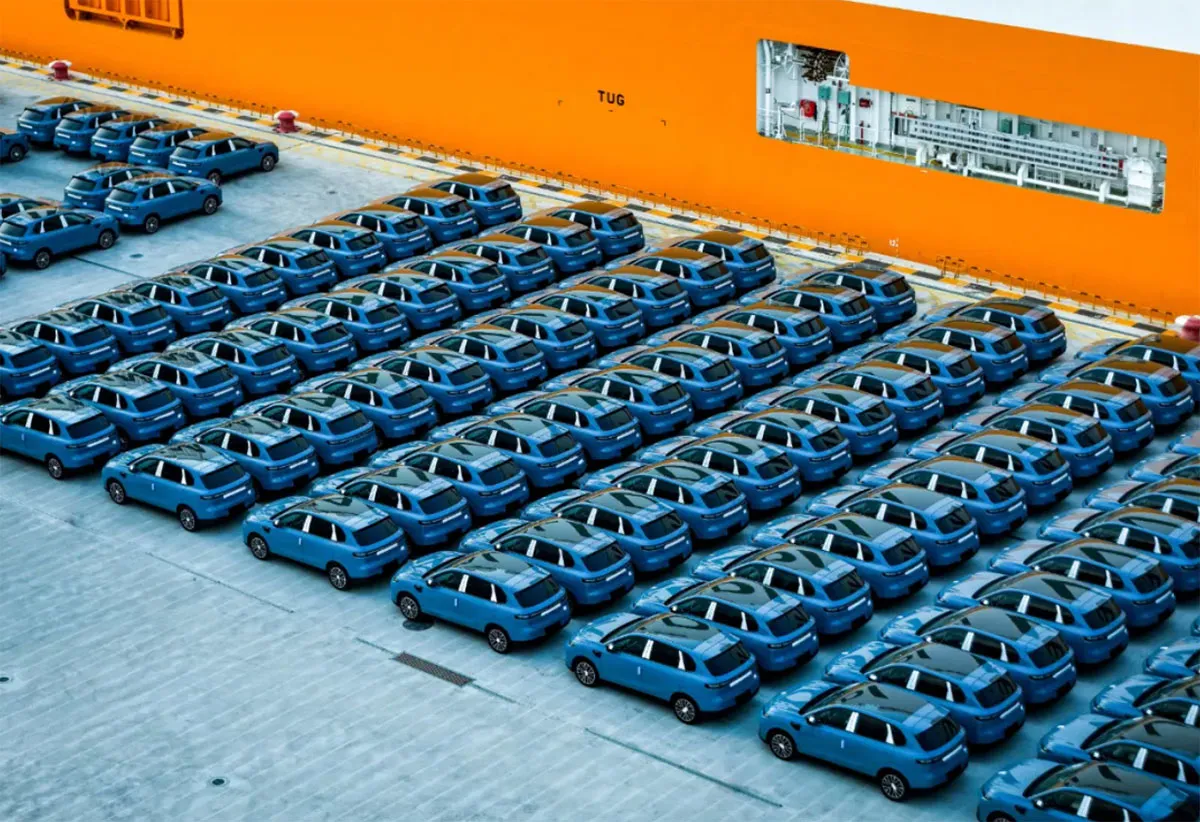
Chinese automakers could control as much as one-third of the global car market within the next five years as they accelerate overseas expansion and capitalise on strengths in electrification, cost control and supply chain integration, analysts at UBS said.
The Swiss investment bank said China’s domestic auto market continues to grow, but international sales are becoming increasingly critical to profitability. Foreign markets now account for about 20% of industry-wide sales for Chinese carmakers and, in some cases, as much as half of their profits, according to UBS estimates.
See also: China Warns Battery Makers to Curb Expansion as Overcapacity Risks Rise

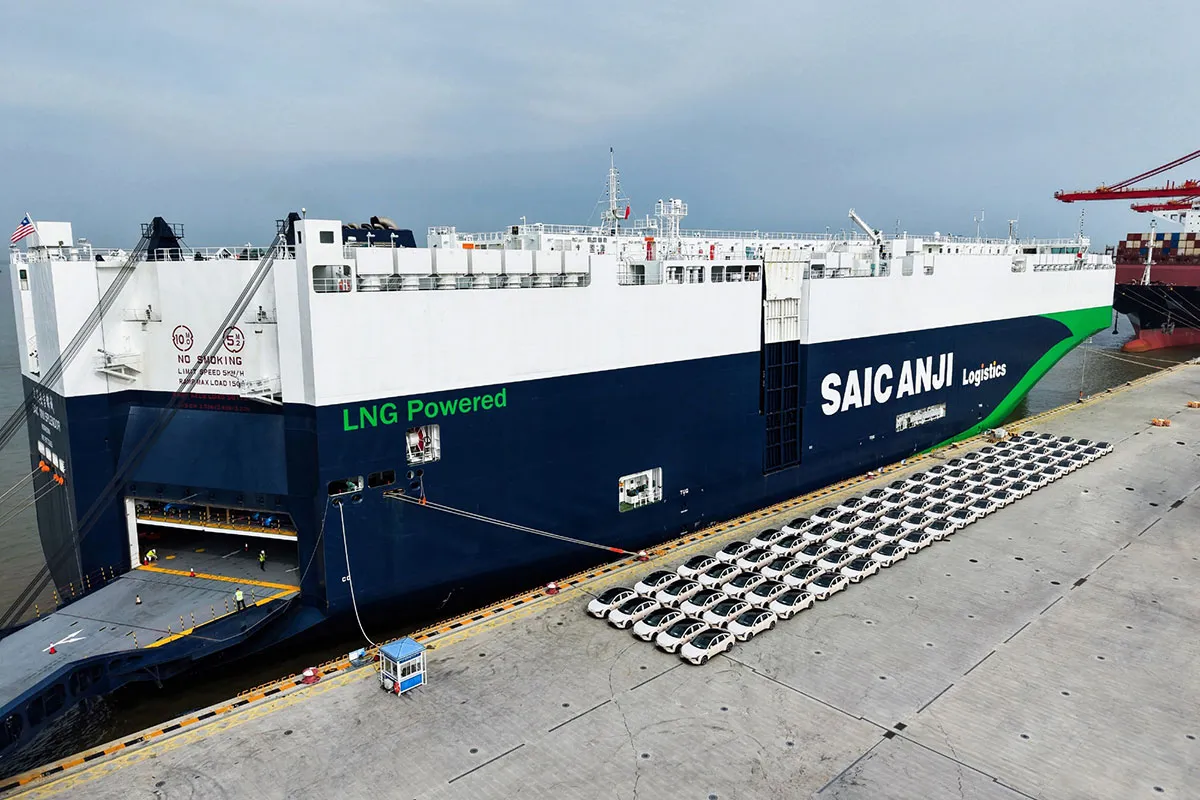
UBS said its long-term forecast for Chinese automakers remains unchanged from two years ago, despite a slower-than-expected pace of electric vehicle adoption in Europe and the introduction of tariffs and other trade barriers targeting Chinese EVs.
“The main drag was due to Europe’s slowdown of EV adoption, and tariffs and protectionism against Chinese EVs,” said Paul Gong, UBS’s lead analyst for Chinese electric vehicles. “I think 2024 progress was slower than expected, but recent signs have shown some catch-up.”
See also: China Opens Public Consultation on National Solid-State Battery Standard

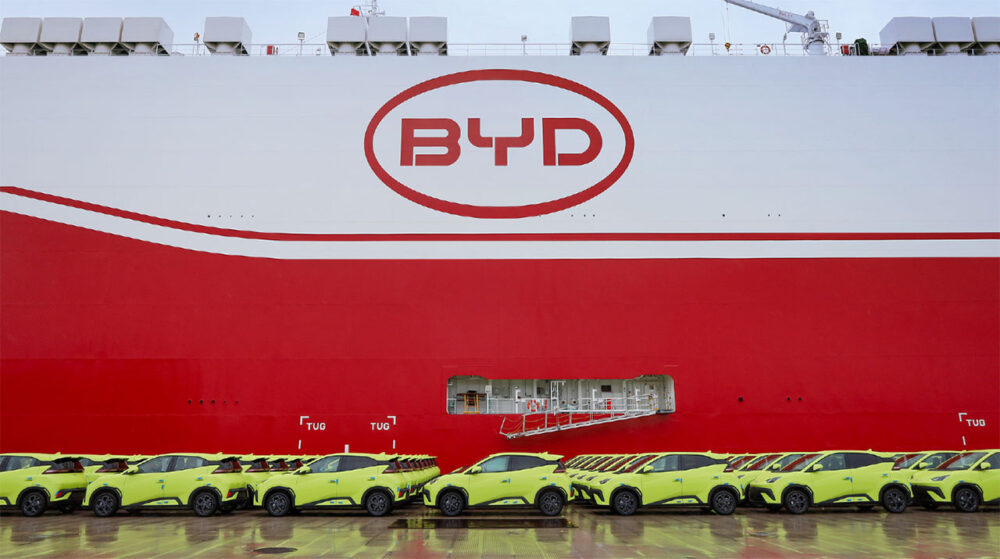
China’s sustained investments in electric vehicles, vertical integration and aggressive supply chain development have begun to pay off, giving domestic brands cost advantages and greater ability to scale production and adapt to market shifts, according to reporting by The South China Morning Post.
Frank Diana, a managing partner at Tata Consultancy Services, said China’s advantage lies not only in manufacturing scale but also in speed of execution. “The fact that [China] has been learning aggressively means that they’re going to have a dominant position and market share,” he said, while noting that other global players are also likely to gain ground.
See also: China to Enforce Mandatory EV Energy Standard From 2026, Setting 15.1 kWh/100 km Limit

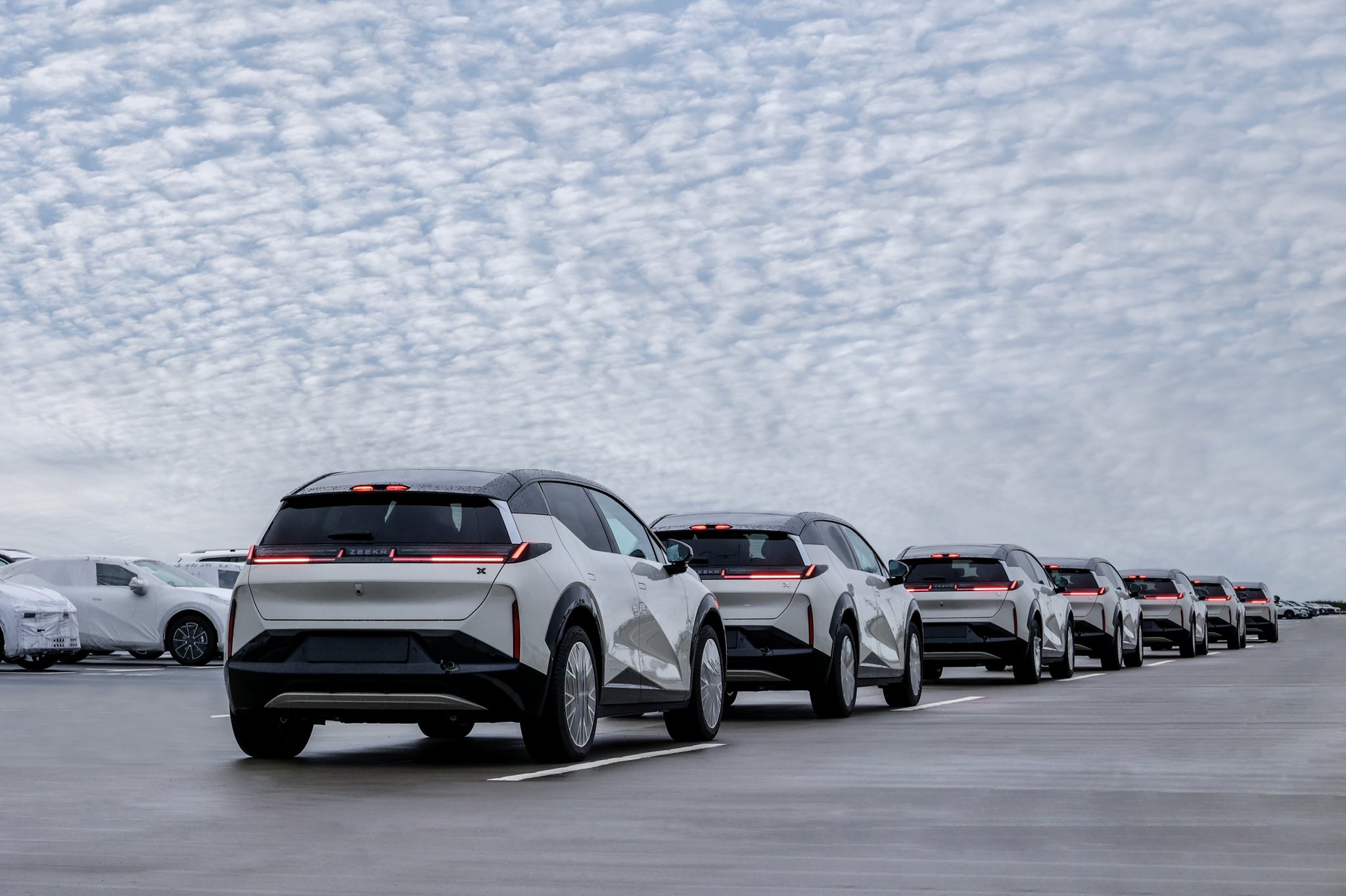
UBS forecasts that the expansion of Chinese brands will significantly erode the dominance of established automakers. Volkswagen and Toyota together currently control about 81% of market share in key segments, a figure UBS expects could decline to 58% by 2030. Tesla’s global market share, estimated at around 2%, could rise to as much as 8% by the end of the decade.
Chinese automakers are also accelerating localisation strategies to support overseas growth. Companies including SAIC Motor, Great Wall, BYD, GAC, Changan Automobile and Chery already operate assembly plants in Thailand. Great Wall and BYD have established manufacturing operations in Brazil, while BYD is building a large production facility in Hungary to support its European expansion.
See also: China to Extend Auto Trade-In Subsidies Into 2026 With Revised Incentive Structure

India is also positioning itself for automotive growth, with domestic manufacturers such as Tata Motors and Mahindra increasing local market share and looking beyond national borders. However, analysts say they face competition not only from Maruti Suzuki but also from Chinese-owned MG Motor and potential new entrants such as BYD, Chery and Great Wall.
“The EV supply chain is dominated by Chinese companies,” said analyst Ramakrishnan, adding that much of India’s electric vehicle supply chain, including electronics, remains dependent on Chinese imports.
As the global EV market matures, analysts expect consolidation to reduce the number of major players. Diana said the industry is likely to evolve toward a smaller group of dominant platforms. “So there will be consolidation even at the EV market level, and you end up with 10 to 15 platform orchestrators made up of [original equipment manufacturers] and big technology companies,” he said.