


China has ordered recalls and corrective measures involving more than four million vehicles over potential problems with mechanical emergency door-release systems, in one of the country’s largest automotive safety actions to date. Tesla accounts for the largest portion of the affected vehicles, while Xiaomi, Leapmotor, Xpeng, Zeekr and several other manufacturers are also included.
China’s State Administration for Market Regulation (SAMR) announced recalls and additional measures involving 11 automakers. For most of the affected vehicles, the concern is that mechanical emergency door releases may be too similar in colour to surrounding interior trim, making them difficult to identify and operate during an emergency.
Emergency Door Releases Targeted
The issue could become particularly significant if a serious accident causes a vehicle’s electrical system to lose power. In such circumstances, occupants could have difficulty locating or operating the mechanical release, potentially delaying evacuation or access by rescuers.
Nine of the 11 manufacturers are expected to address the problem through measures including additional warning labels.
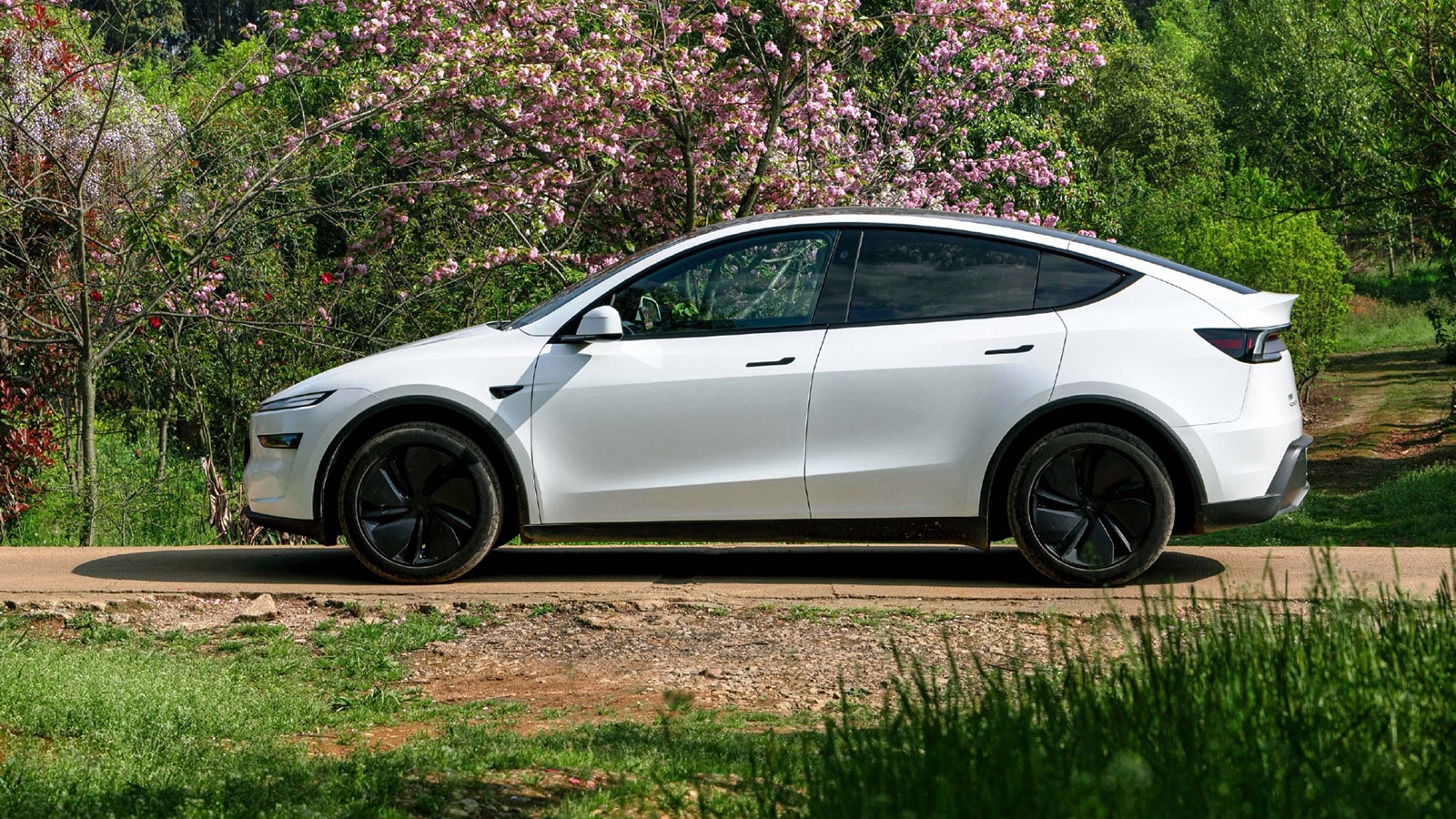
Tesla will begin recalling nearly 2.98 million imported and China-produced Model 3, Model Y, Model S and Model X vehicles from September 25.
In addition to adding warnings identifying the mechanical emergency release, Tesla will deploy an over-the-air software update designed to automatically lower the vehicle windows following an accident.
Chinese EV Makers Face Large Recalls
Xiaomi will recall 390,435 SU7 vehicles from the 2024 model year. The company plans to add warning labels and modify the unlocking logic and automatic window-lowering functions through software.
Leapmotor will take action on 371,200 C11 and C01 vehicles, while Xpeng will recall 264,842 vehicles from its G6, P7+ and X9 ranges.
Zeekr’s recall covers 92,658 units of the 007 and X models.
Additional measures involve vehicles from Chery, Dongfeng, Arcfox and FAW. Depending on the vehicle, corrective actions include warning labels and replacement of covers surrounding the mechanical emergency release.
China Tightens Door-Handle Safety Rules
The recalls coincide with China’s broader tightening of safety requirements for vehicle door systems.
From 2027, China is set to become the first country to largely prohibit concealed or retractable door handles in their current form on new vehicles. The regulatory concern is that electrically operated handles may become unusable if a vehicle loses electrical power following a collision.
The new requirements will include mechanical unlocking provisions intended to ensure occupants and emergency responders can access vehicles after power failures.
The regulatory changes are particularly relevant to the EV sector, where electrically operated and concealed door handles have become increasingly common.
EV Safety Rules Gain Wider Significance
China’s automotive safety requirements could have an increasing influence beyond its domestic market as the country becomes a major producer and exporter of electric vehicles.
New energy vehicles accounted for 60.4% of China’s new-car sales in July, with 1.561 million NEVs sold during the month.
China is also exporting increasing numbers of electrified vehicles. NEV exports reached 553,000 units in July, up 145.5% from the same month a year earlier. NEVs represented more than half of China’s total vehicle exports for the second consecutive month.
As Chinese automakers expand into international markets, safety requirements developed in China could become increasingly relevant to vehicles sold overseas.
Tesla Faces Separate Driver-Monitoring Recall
Tesla is also facing a separate recall in China involving approximately 2.74 million Model 3 and Model Y vehicles.
The separate action concerns Tesla’s driver-monitoring system, which currently relies on steering-wheel torque to assess driver attention. Chinese regulators determined that the system does not meet local requirements.
Tesla plans to address the issue through an OTA software update that incorporates the vehicle’s interior camera into the driver-monitoring system.
When this action and other recalls announced on the same day are included, more than seven million vehicles are affected by the various measures.
The recall campaign highlights the increasing regulatory focus on vehicle safety systems as automakers introduce more electronically controlled doors, driver-monitoring technologies and software-dependent functions into electric vehicles.
Source: CnEVPost