


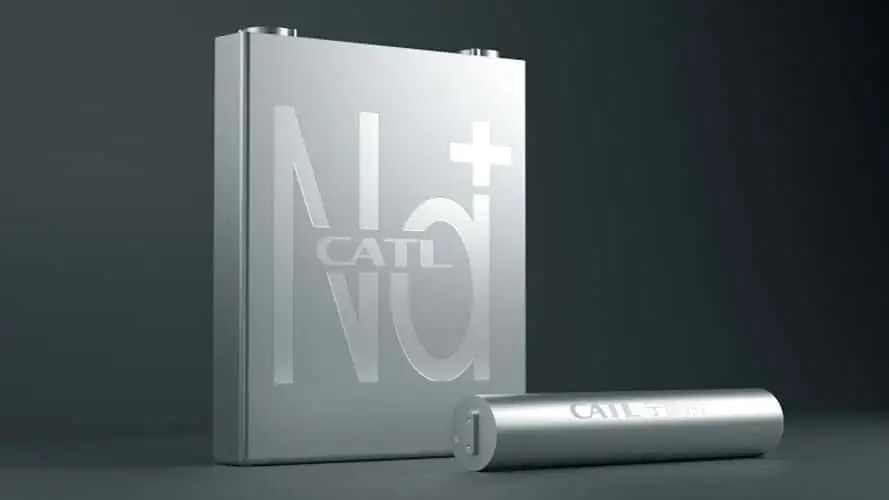
CATL expects between 10,000 and 20,000 electric vehicles to be equipped with its sodium-ion batteries this year as the company expands commercialization of the technology for both mobility and energy storage applications.
Chief Manufacturing Officer Ni Jun outlined the company’s expectations during an interview with Bloomberg Television at the World Economic Forum in Dalian.
Expanding Sodium-Ion Battery Deployment
Ni said CATL’s sodium-ion batteries are designed to operate in temperatures as low as -20°C to -30°C.
“We came up with a novel design which can perform at that kind of extreme condition,” he said.
Earlier this week, CATL also introduced its Tener Sodium energy storage system, with initial deliveries in China scheduled to begin in September and international deliveries planned from June 2027.
The company said the system is designed to improve service life and performance under extreme temperature conditions.
Dual Battery Technology Strategy
CATL continues to invest in both lithium-ion and sodium-ion battery technologies.
The company began sodium-ion battery research in 2016 and said cumulative investment in the technology had reached nearly RMB10 billion (US$1.47 billion) by the end of 2025.
In April 2025, CATL launched its Naxtra sodium-ion battery brand, featuring batteries with an energy density of up to 175Wh/kg, comparable with mainstream lithium iron phosphate (LFP) batteries.
The company has also noted that higher lithium prices this year have improved the competitiveness of sodium-ion batteries.
Vehicle Applications
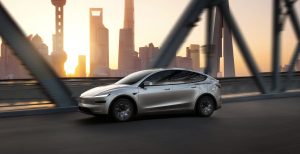
In February, CATL and Changan Automobile unveiled a passenger vehicle powered by sodium-ion batteries that is expected to enter the market in mid-2026.
According to CATL, vehicles equipped with the current generation of sodium-ion batteries can achieve driving ranges of up to 400 kilometres, with future versions expected to reach between 500 and 600 kilometres as the supply chain matures.
The company said sodium-ion batteries offer advantages including improved low-temperature performance and the long-term availability of raw materials.
CATL stated that the batteries retain more than 90% of their capacity at temperatures as low as -40°C.
Energy Storage Expansion
The company has also expanded sodium-ion battery production for stationary energy storage.
In April, CATL signed a three-year agreement to supply 60GWh of sodium-ion batteries to Chinese energy storage company HyperStrong.
To support future demand, CATL subsequently announced plans to invest RMB5 billion in a new 40GWh sodium-ion battery manufacturing facility in Fujian.
CATL founder and Chairman Robin Zeng has previously said sodium-ion batteries could eventually account for 30% to 40% of the existing battery market as production scales and costs decline.


