



China’s largest battery maker CATL has begun deploying sodium-ion batteries in passenger vehicles, marking a new phase for the technology after its initial rollout in commercial applications, according to local media reports.
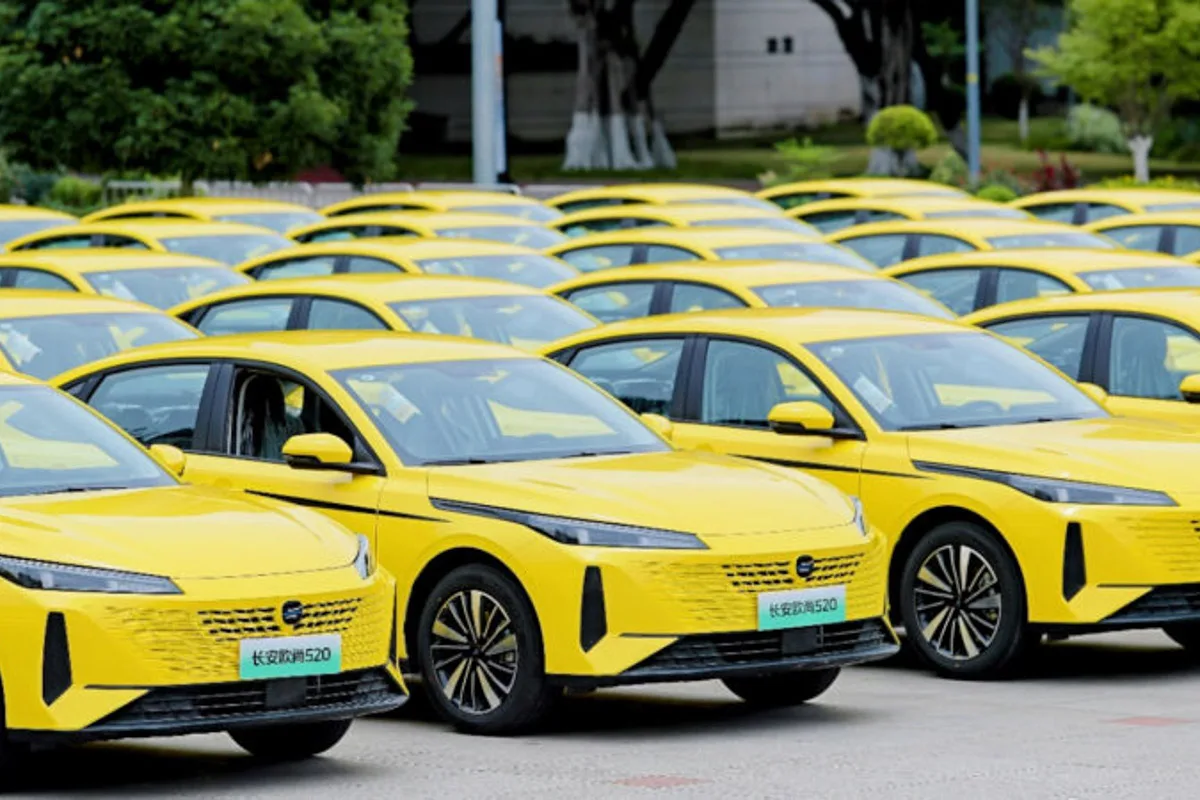
CATL’s sodium-ion battery products under the Naxtra brand have been installed in a passenger vehicle model from Changan Automobile’s Oshan sub-brand, with winter testing scheduled to begin, financial media outlet Cailian reported on Friday, citing multiple independent sources. The report added that additional passenger models from GAC Group and Anhui Jianghuai Automobile Group Corp (JAC) are expected to adopt CATL’s sodium-ion batteries in the next stage.
See also: Changan Maps European Expansion With Eight New Models and Hybrid Strategy
CATL first unveiled its sodium-ion battery technology in 2021, positioning it as a potential alternative to lithium-based batteries at a time of rising lithium carbonate prices. In April 2025, the company formally launched the Naxtra sodium-ion battery brand, accelerating efforts to commercialize the technology across multiple vehicle segments.
According to CATL, its Naxtra sodium-ion battery designed for passenger vehicles achieves an energy density of up to 175 watt-hours per kilogram, a level comparable to lithium iron phosphate (LFP) batteries. The company has highlighted sodium-ion technology as offering improved performance in low-temperature environments and greater cost stability due to more abundant raw materials.
See also: Changan Auto Group, CATL Deepen Strategic Partnership With Five-Year Agreement
Earlier this year, CATL introduced the Tectrans II battery series aimed primarily at light commercial vehicles, including a 45-kWh sodium-ion battery capable of operating in extreme cold. The company has said the battery can charge at temperatures as low as minus 30 degrees Celsius and retains most of its usable capacity at even lower temperatures.
CATL has previously indicated that broader passenger vehicle adoption of sodium-ion batteries would begin later in 2026 as production capacity expands. The latest report suggests deployment may be advancing more quickly than previously outlined, signaling growing confidence among automakers in the technology’s readiness.


