
BYD will discontinue its rotating infotainment screens, a feature that helped differentiate the brand when it expanded internationally but has become increasingly incompatible with third-party software. The company confirmed the change as it prepares to integrate more app ecosystems into its vehicles.
The rotating display, capable of switching between portrait and landscape orientations, has been a hallmark of several BYD models in recent years. While popular among customers, the feature has proven limiting for key applications.
See also: BYD’s Racco Mini EV Could Become One of Europe’s Most Affordable Electric Cars
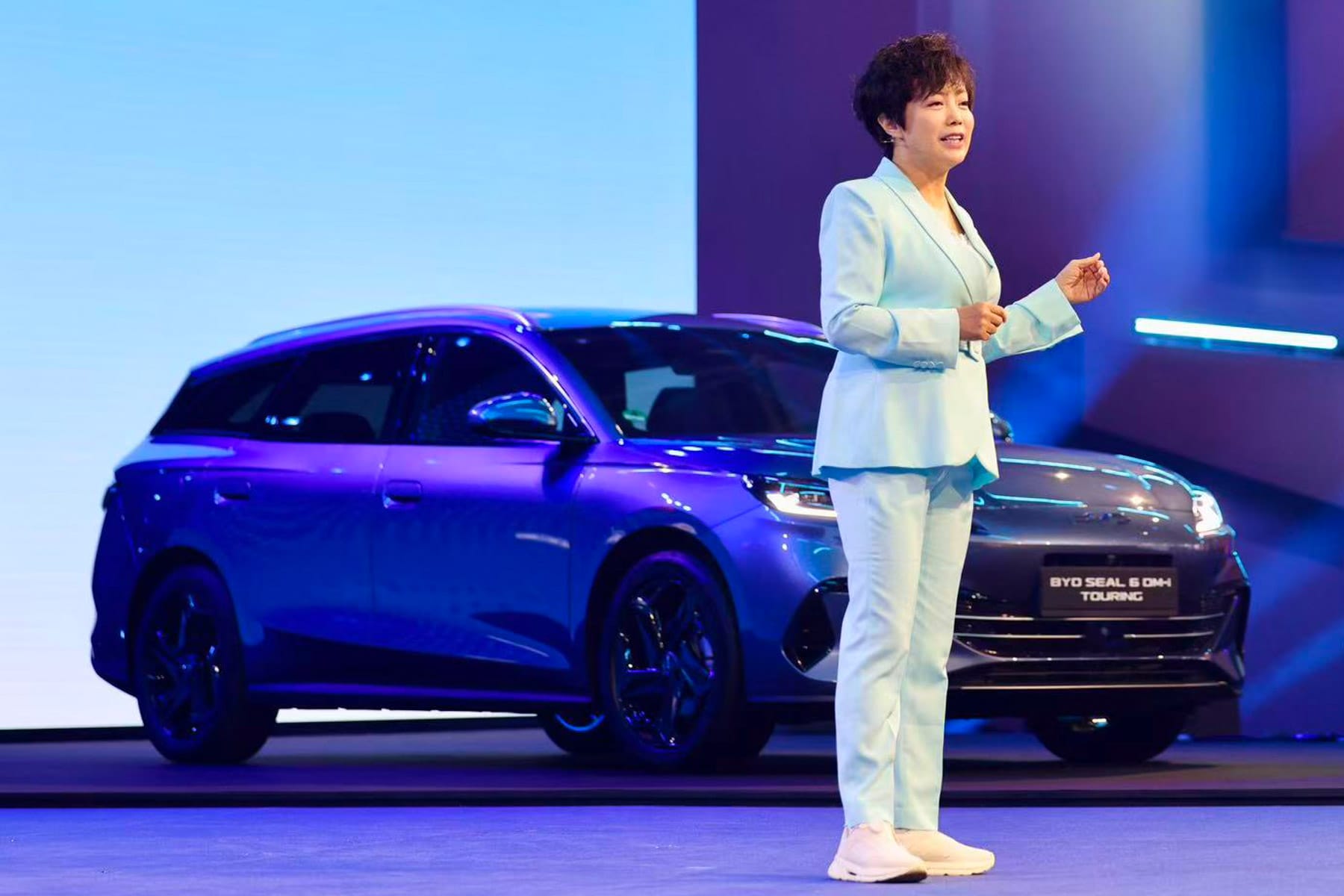
BYD vice president Stella Li said the company’s expanding software partnerships required a more standardised interface. “We are starting to engage in a lot of apps,” she told Autocar. “The Atto 2 will be the first model with Google and Apple CarPlay. And if they want to give the best experience, then a rotating screen will limit their apps. And then secondly, we saw the feedback in the market. People love the rotating screens, but the usage is very small.”
The new BYD Atto 2 is the first model to launch without the rotating mechanism, and other vehicles will follow with fixed landscape screens.
BYD noted that portrait mode once offered benefits for stationary use and navigation, but most modern in-car applications — including Apple CarPlay and Android Auto — operate solely in landscape orientation.
See also: BYD Expands Atto 2 Lineup in Europe With Longer Range and New Hybrid Option
Locking the display, Li added, also simplifies BYD’s ongoing work with external technology partners by reducing the need for bespoke interface adjustments.
The shift comes as BYD accelerates its international growth strategy. The company plans a major expansion in Europe by 2026, with regional executives outlining a target to double BYD’s retail footprint across the continent next year, bringing its network to around 1,000 locations.