




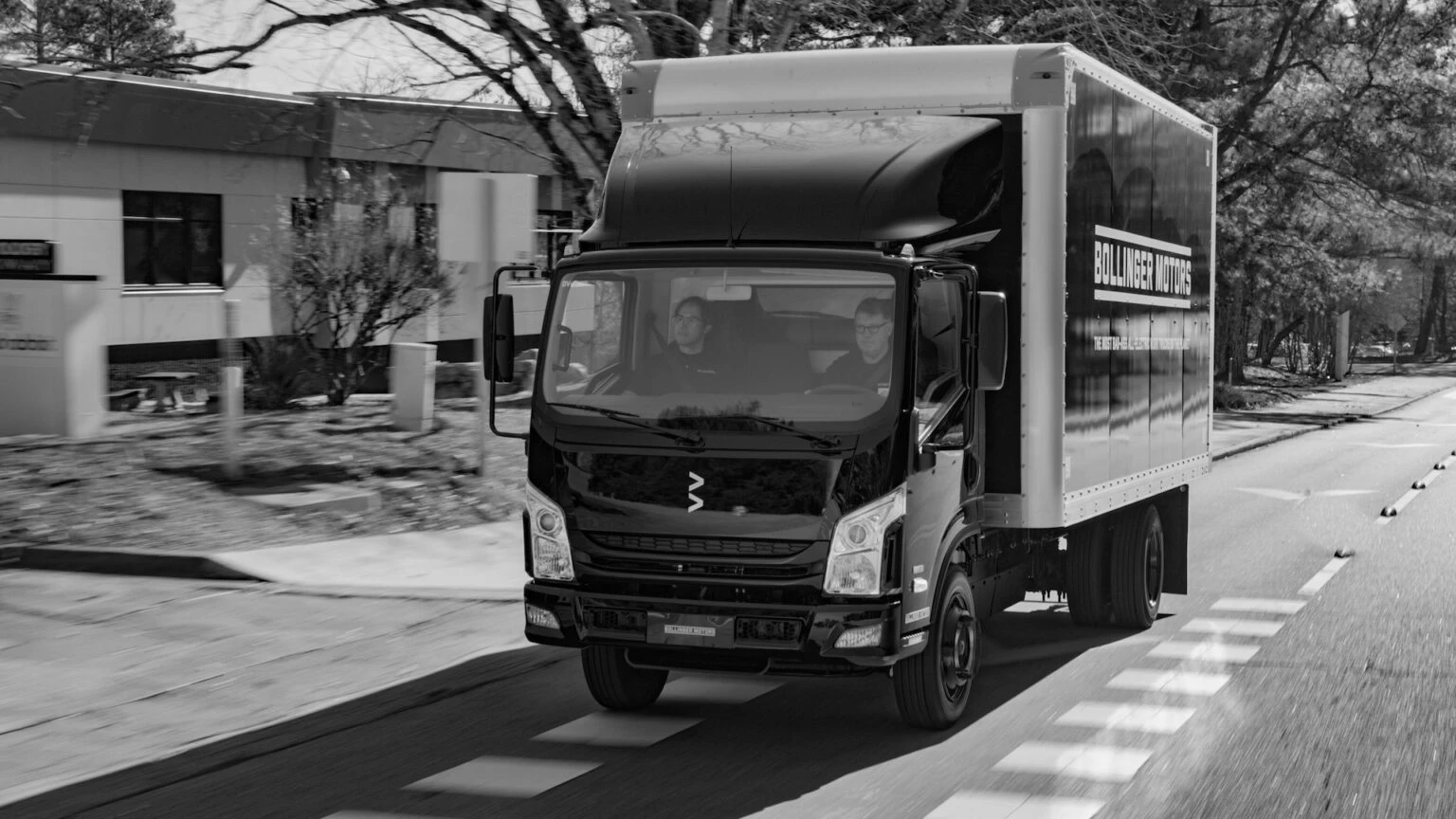
Bollinger Motors, once viewed as a promising electric vehicle startup in Michigan, has closed its operations after years of financial difficulties, unpaid wages and mounting legal disputes, according to internal company communications obtained by the Detroit Free Press.
The company ceased operations on Nov. 21, marking the end of Bollinger’s decade-long effort to commercialise rugged electric trucks. In an internal email to employees, Human Resources Director Helen Watson confirmed the closure had taken effect immediately.

“We received word late last night that the day has arrived, we are to officially close the doors of Bollinger Motors, effective today, November 21st, 2025,” Watson wrote. “It is the end of an era but one you should all be very proud of.”
The shutdown follows weeks of mounting concern over the company’s cash position. Workers had missed two consecutive pay periods, prompting 59 wage claims filed with the Michigan Department of Labor and Economic Opportunity. On Oct. 31, Chief Operating Officer Walter Collins told staff that payroll had been delayed due to a lack of funds, and subsequent communications indicated that new financing had not been secured.

Bollinger, founded in 2015, gained early attention for its angular, off-road-focused B1 sport utility vehicle and B2 electric pickup, both positioned at premium price points. Despite initial interest, neither vehicle entered mass production.
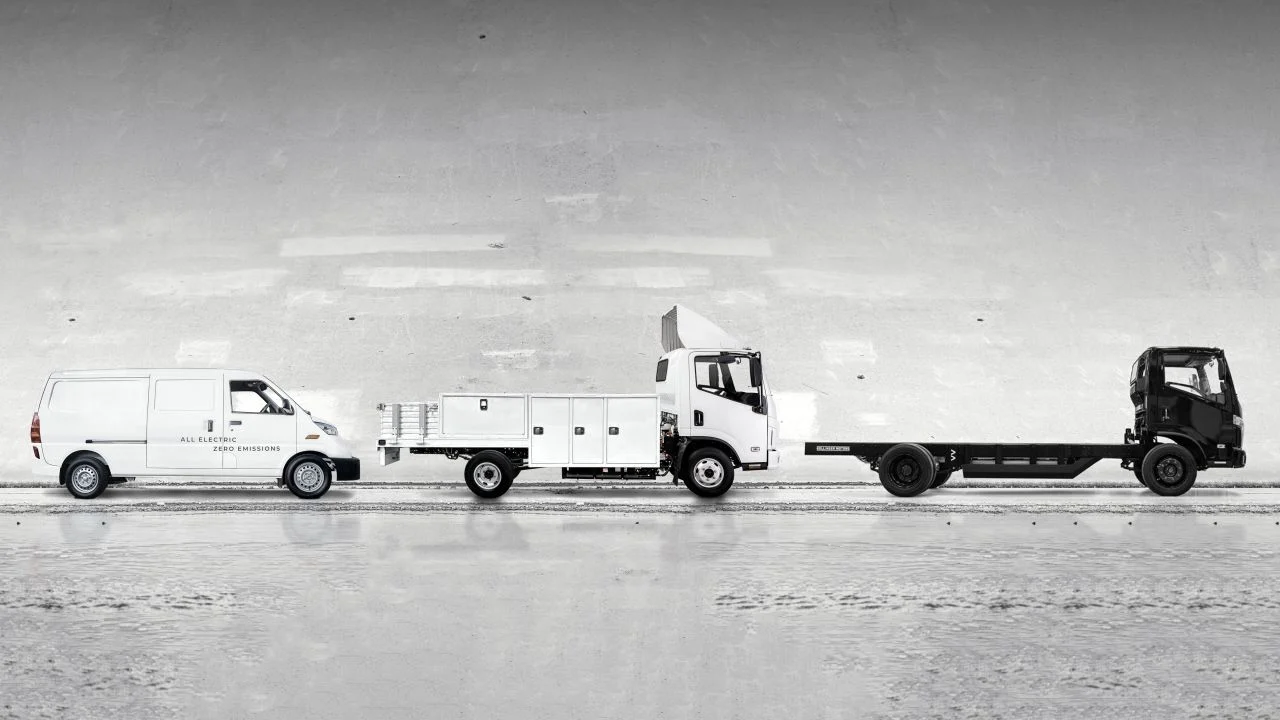
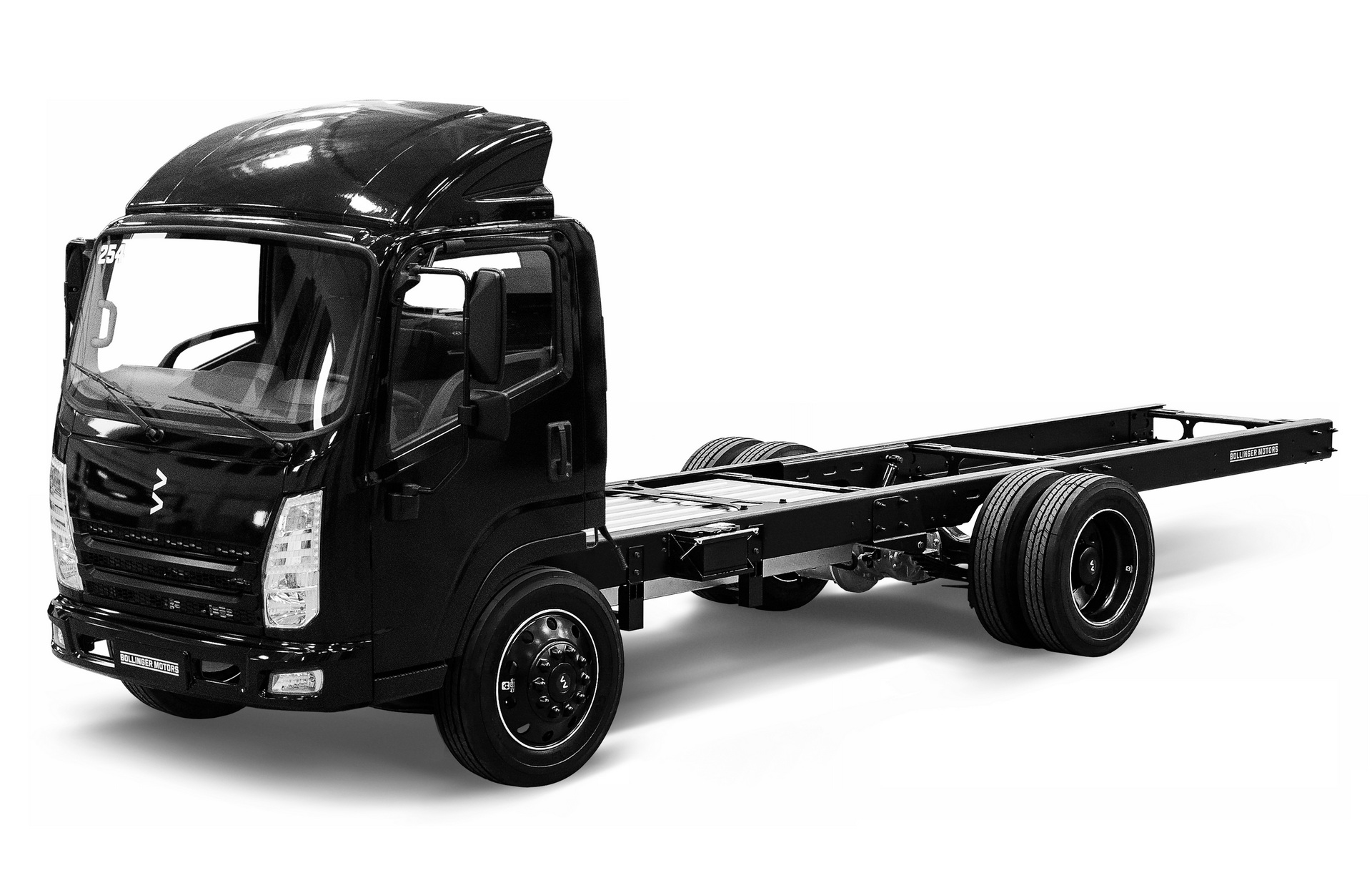
In 2022, Mullen Automotive acquired a controlling stake in Bollinger and redirected the company’s strategy toward commercial electric vehicles, leading to development of the B4 Class 4 electric chassis cab. Limited production of the B4 in 2024 raised expectations that Bollinger had turned a corner, though the company’s financial pressures persisted.

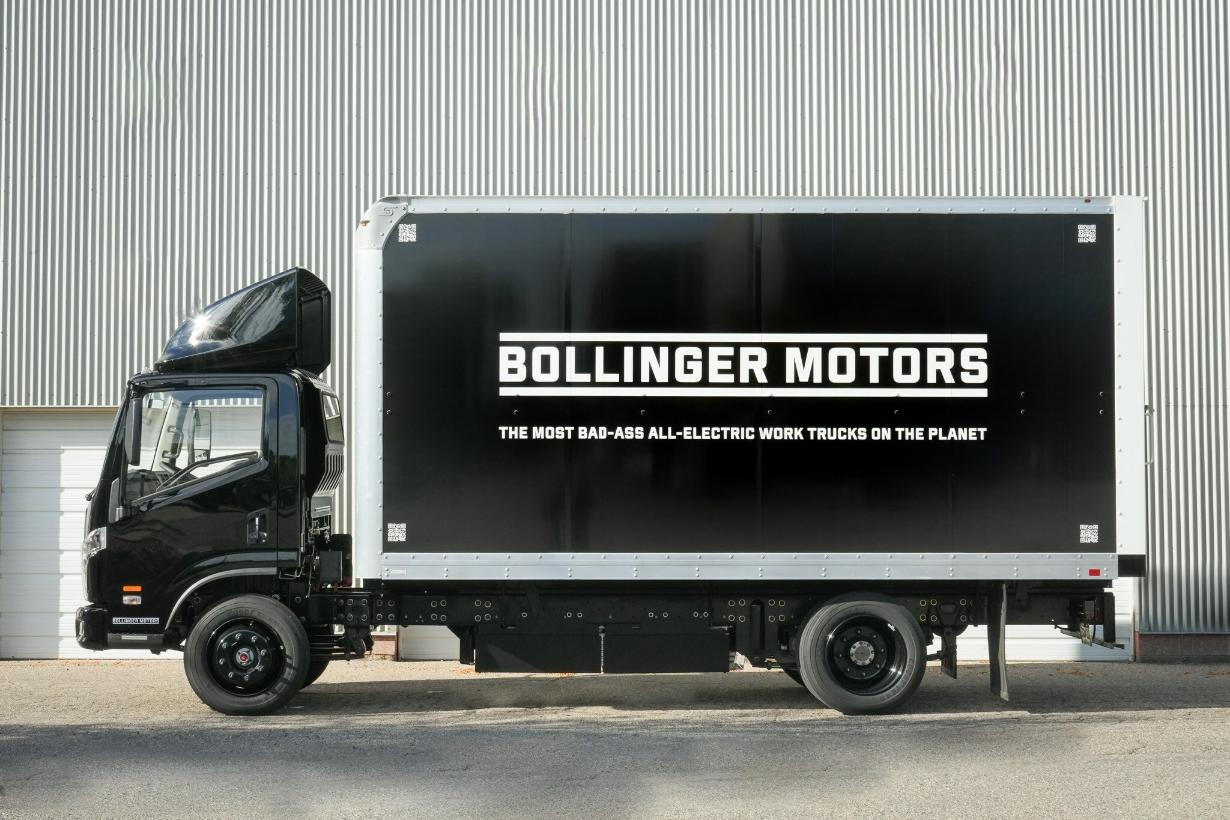
Legal challenges intensified this year. Founder Robert Bollinger filed a lawsuit in March seeking repayment of a $10 million loan he said he had provided to the company in 2024, alleging that the firm was insolvent at the time. The loan was later repaid, but at least six suppliers also filed lawsuits totaling more than $5 million in unpaid bills.
The company also faced scrutiny from the State of Michigan after failing to meet job-creation targets tied to a $3 million economic development grant. As of the end of September, Bollinger reportedly had not created any of the qualifying new jobs required under the agreement and employed about 50 base staff.

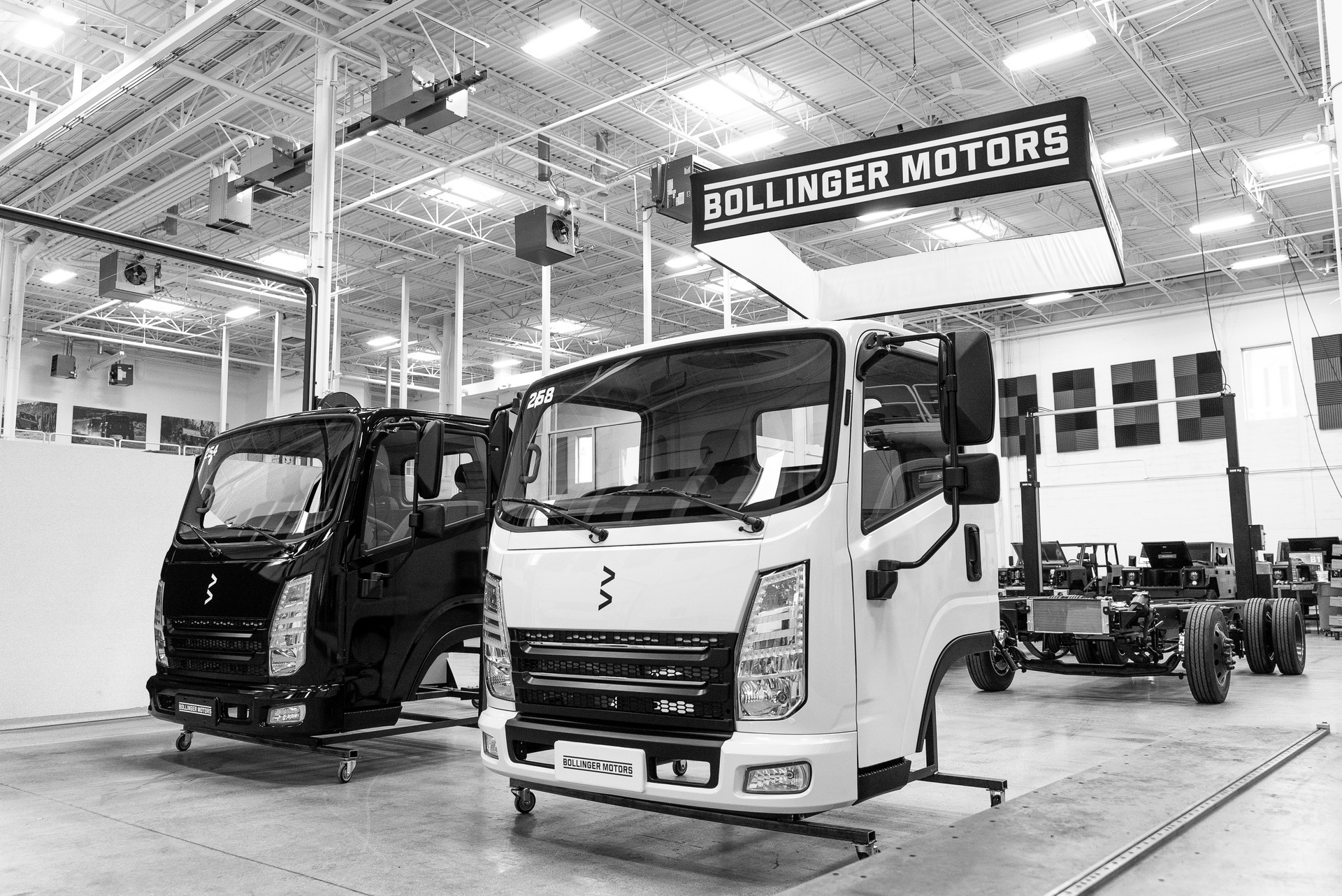
Following a leadership shake-up in June, Mullen Automotive chief executive David Michery reorganised operations under a new entity called Bollinger Innovations. Watson said Michery intends to “make us whole with regards to the remaining monies” owed to employees for missed pay periods, adding that overdue October payroll was expected to be settled within days.
While Bollinger Innovations continues to operate, the closure of Bollinger Motors effectively ends the company’s role as a manufacturer of electric commercial trucks.


