




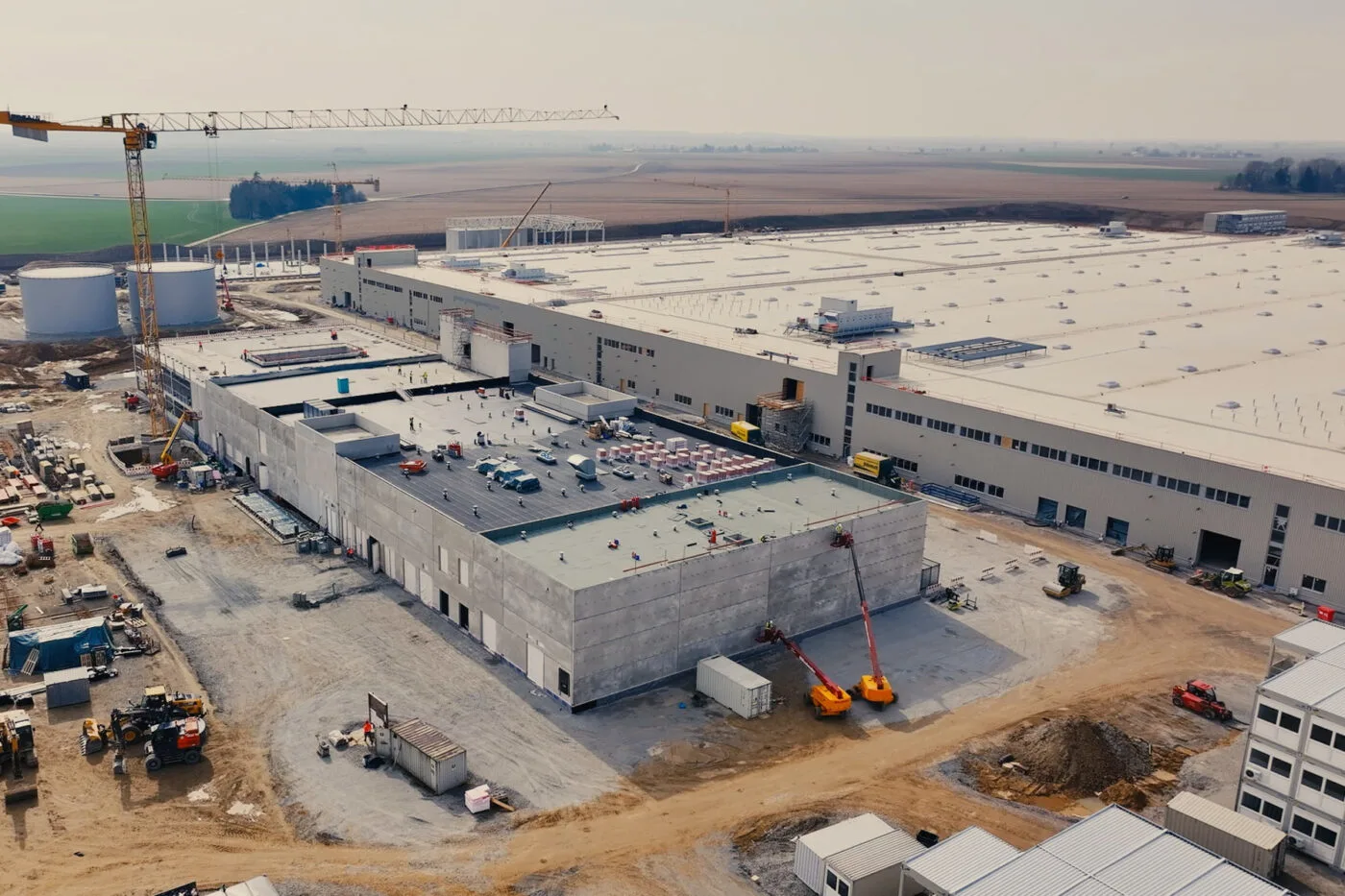
BMW announced that construction of its high-voltage battery assembly plant in Irlbach-Straßkirchen, Lower Bavaria, is progressing on schedule, with the central production building now completed and technical systems sufficiently advanced to allow the installation of production equipment beginning in June.
The facility will serve as a key part of BMW’s plans to manufacture sixth-generation (Gen6) high-voltage batteries for its upcoming electric vehicle lineup. Construction began in April 2024, with the first pillar of the main production hall installed by the end of June that year. “The very good cooperation within the BMW teams and with our partners has made this rapid progress possible,” said Sabrina Kugler, project manager for the plant construction.
See also: BMW to Halt U.S. EV Production in May Amid Tariff Uncertainty, Keeps Import Prices Steady for Now

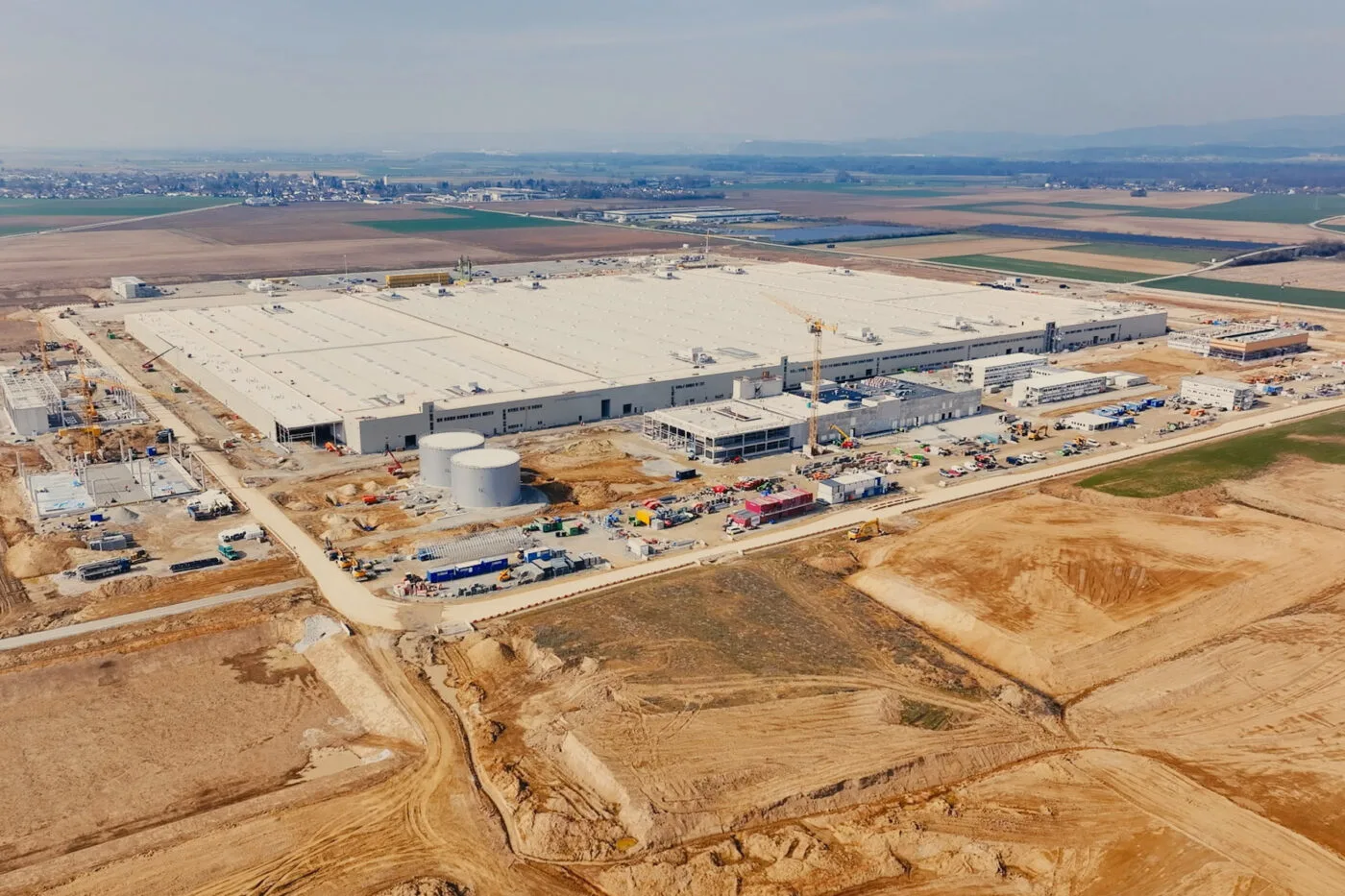
BMW highlighted its “local for local” approach to the project. All companies directly contracted for construction are based in Germany, with about two-thirds located in Bavaria and one-third within 100 kilometres of the site.
Once operational, the Irlbach-Straßkirchen plant will be one of five BMW battery assembly facilities dedicated to Gen6 battery production, utilizing large-format cylindrical cells integrated using a cell-to-pack method. The plant will primarily supply BMW’s German vehicle production sites. Other assembly plants are under development in Debrecen (Hungary), Shenyang (China), San Luis Potosí (Mexico), and Woodruff near Spartanburg (USA).
See also: BMW Integrates V2X Technology in New 5 Series Launch in China, Aiming to Advance Smart Mobility
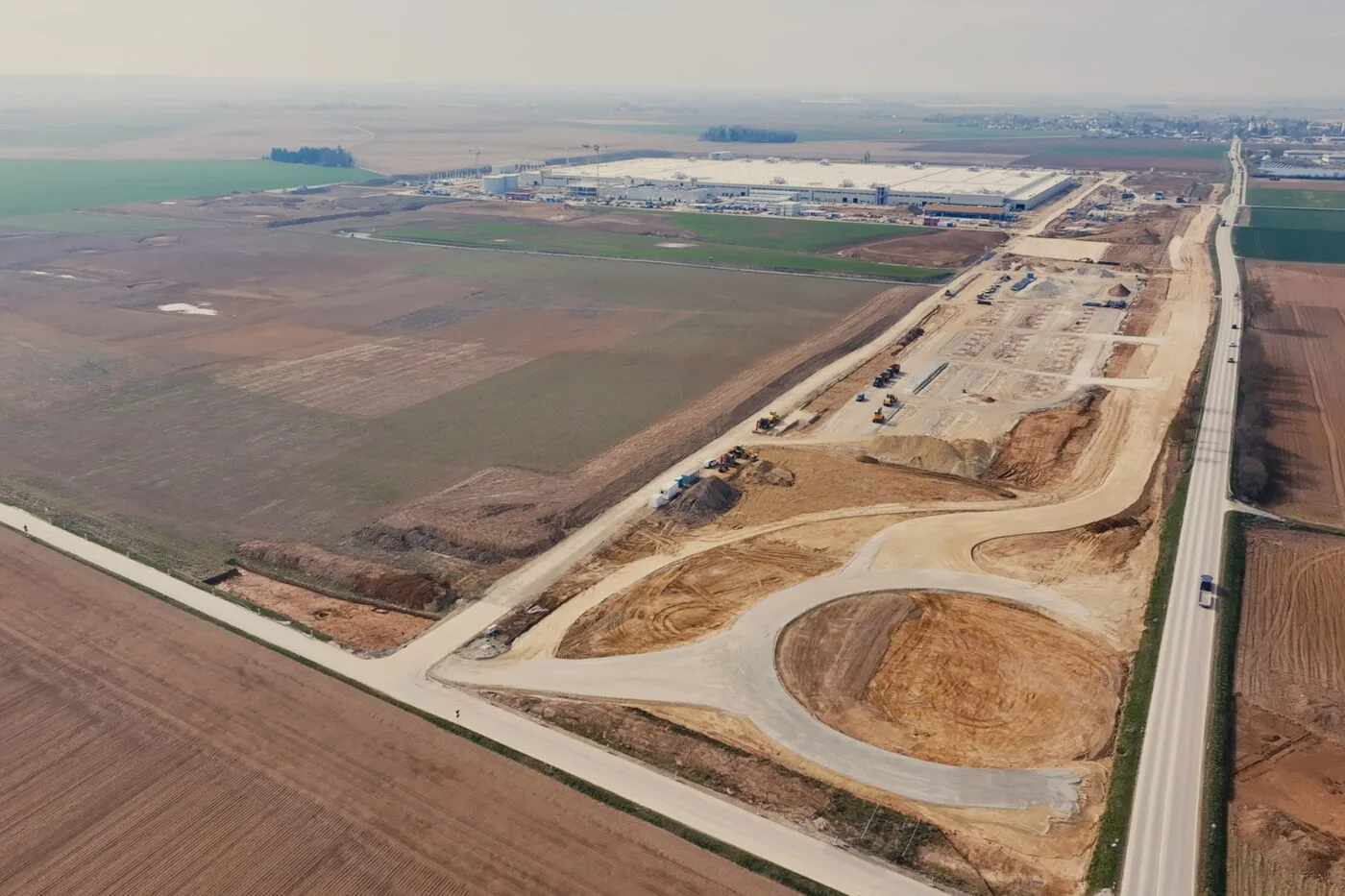
The site also includes a 10,000-square-metre energy centre that will house supply systems, the site’s fire brigade, facility management, and service operations. It will feature two large transformers connected to 110-kilovolt lines from Bayernwerk Netz GmbH. Cooling systems and heat pumps have already been installed to efficiently manage temperatures and recover waste heat for heating purposes. Rainwater harvesting infrastructure is being implemented to reduce potable water use, with drinking water reserved for canteens and hygiene facilities.
The project faced initial opposition due to concerns about environmental impact and traffic. It moved forward after a local referendum in Straßkirchen in September 2023 approved the development.


