



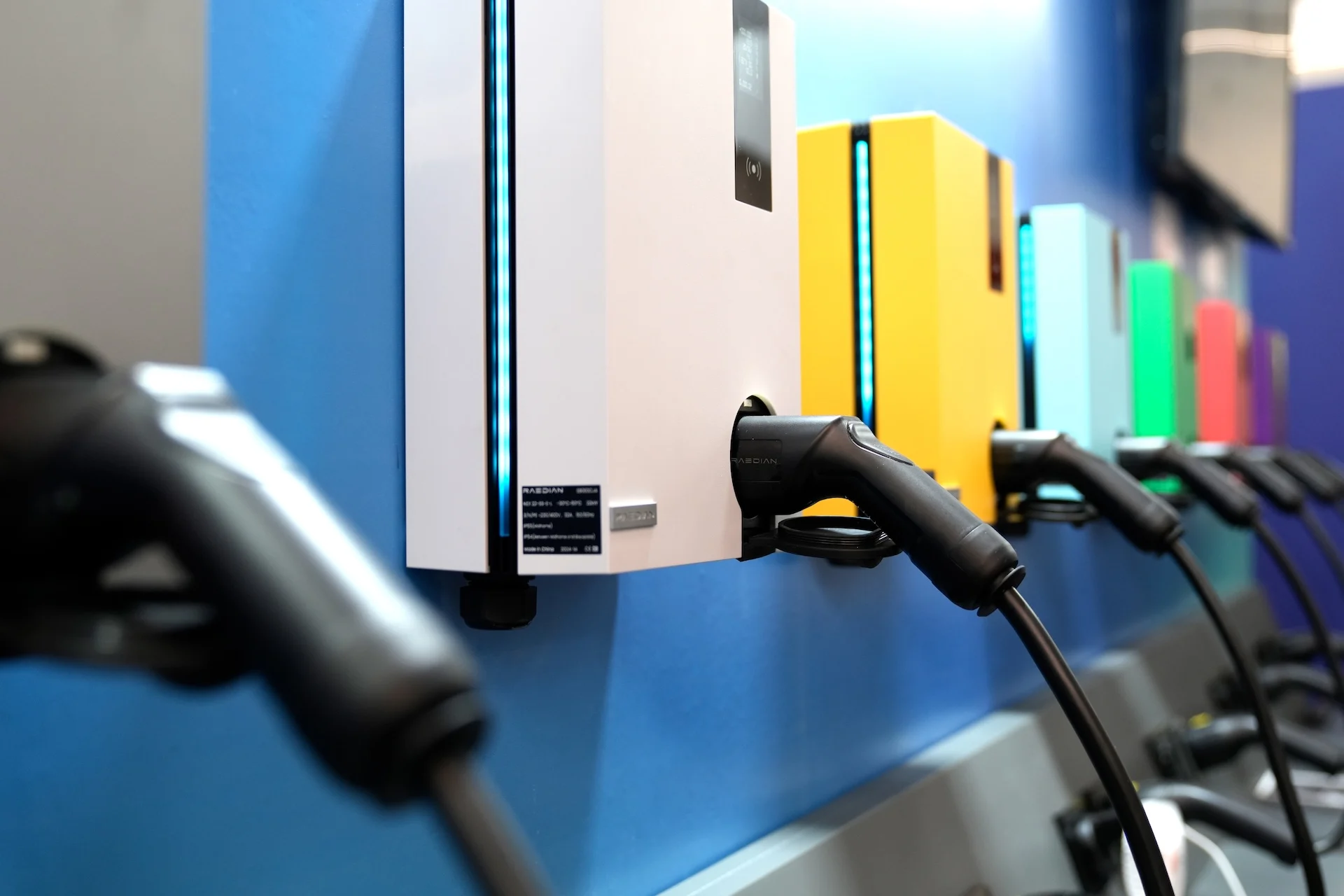
Bidirectional charging (BiDi) technology has the potential to revolutionize Europe’s energy and mobility sectors, offering substantial economic and environmental benefits.
According to a recent study by Transport & Environment (T&E), this technology could save billions of euros annually by optimizing electricity usage and reducing system costs.
By enabling electric vehicles (EVs) to store and return electricity to the grid, BiDi could significantly reduce energy costs and help integrate renewable energy sources.
The study highlights that the Fraunhofer Institutes estimate up to €22 billion in annual savings across the EU, with a potential for more than €100 billion in savings between 2030 and 2040.
Additionally, the technology could enhance solar power integration, reducing the need for stationary storage by up to 92% and increasing photovoltaic capacity by 40%.
Pilot projects are already underway, with Renault’s vehicle-to-grid (V2G) service in France providing free charging for EV owners who share their battery capacity with the grid.
This service is expected to expand to Germany and the UK, demonstrating the potential for BiDi technology to reshape energy systems. However, regulatory barriers in countries like Germany are slowing its adoption, including slow smart meter rollouts and unclear legal frameworks.


