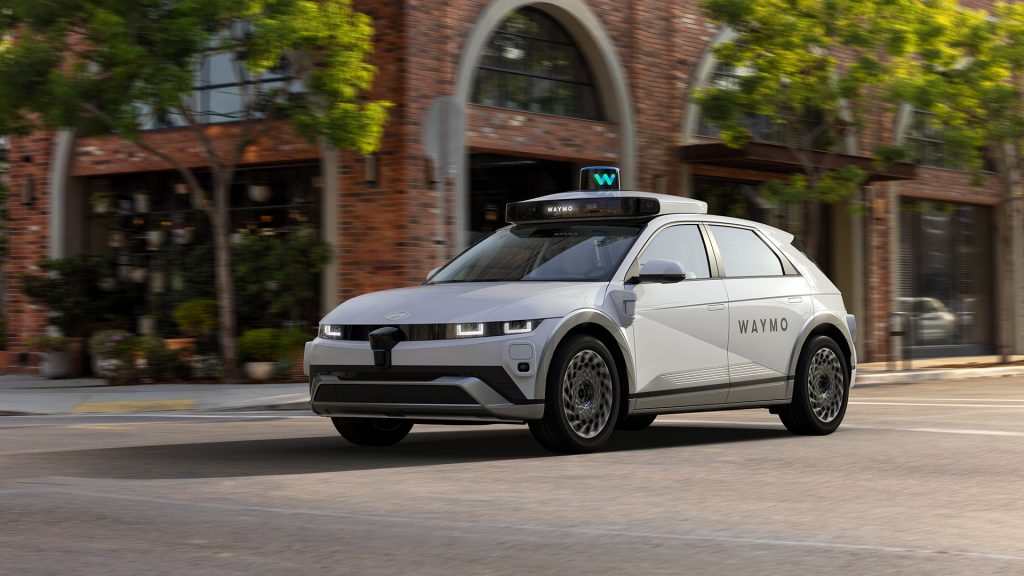



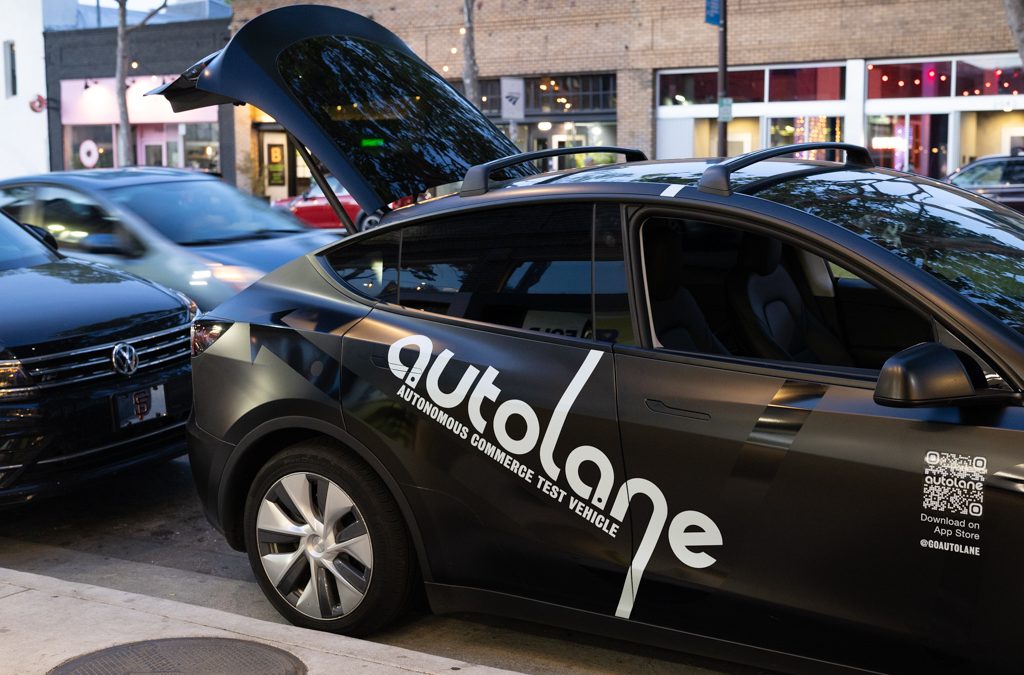
U.S. startup Autolane has raised $7.4 million in new funding to develop digital and physical infrastructure aimed at managing how autonomous vehicles enter, stop and depart from private properties, as robotaxi deployments from companies such as Waymo and Zoox expand across major U.S. cities.
Backed by investors including Draper Associates and Hyperplane, the Palo Alto-based company plans to focus initially on coordinating pickup and drop-off zones for robotaxi operators at privately owned locations. Autolane has signed its first commercial agreement with retail real estate owner Simon Property Group to manage autonomous vehicle arrivals and departures at selected shopping centres in Austin, Texas, and San Francisco, California.
See also: VTTI, Sweden’s AstaZero Link Test Systems to Standardise Automated Vehicle Safety Checks
The partnership will combine physical infrastructure such as signage with software systems designed to provide precise geolocation and routing instructions to autonomous vehicles. The move reflects a growing need to manage “handoff” moments for driverless vehicles, such as where robotaxis should stop to collect passengers, groceries, or other goods.
“I believe we are one of the first, let’s say, ‘application layer’ companies in autonomy,” Autolane co-founder and chief executive Ben Seidl said. He said the company aims to sit between property owners and autonomous vehicle operators to help orchestrate vehicle movements on private land.
See also: Wayve Buys German Data Firm Quality Match as It Prepares for Wider Autonomous Driving Rollout
Autolane’s business model is focused exclusively on business-to-business customers rather than public streets or municipal infrastructure. Seidl said the company is developing system interfaces that will allow property owners and autonomous vehicle operators to integrate their rules and routing instructions directly into vehicle platforms.
Seidl said his interest in the sector intensified after experiencing advanced driver-assistance systems firsthand and pointed to incidents such as a Waymo robotaxi becoming stuck in a fast-food drive-through earlier this year as examples of why more precise location control is needed. “Someone has got to bring some order to this chaos, and the chaos is already starting,” he said.