
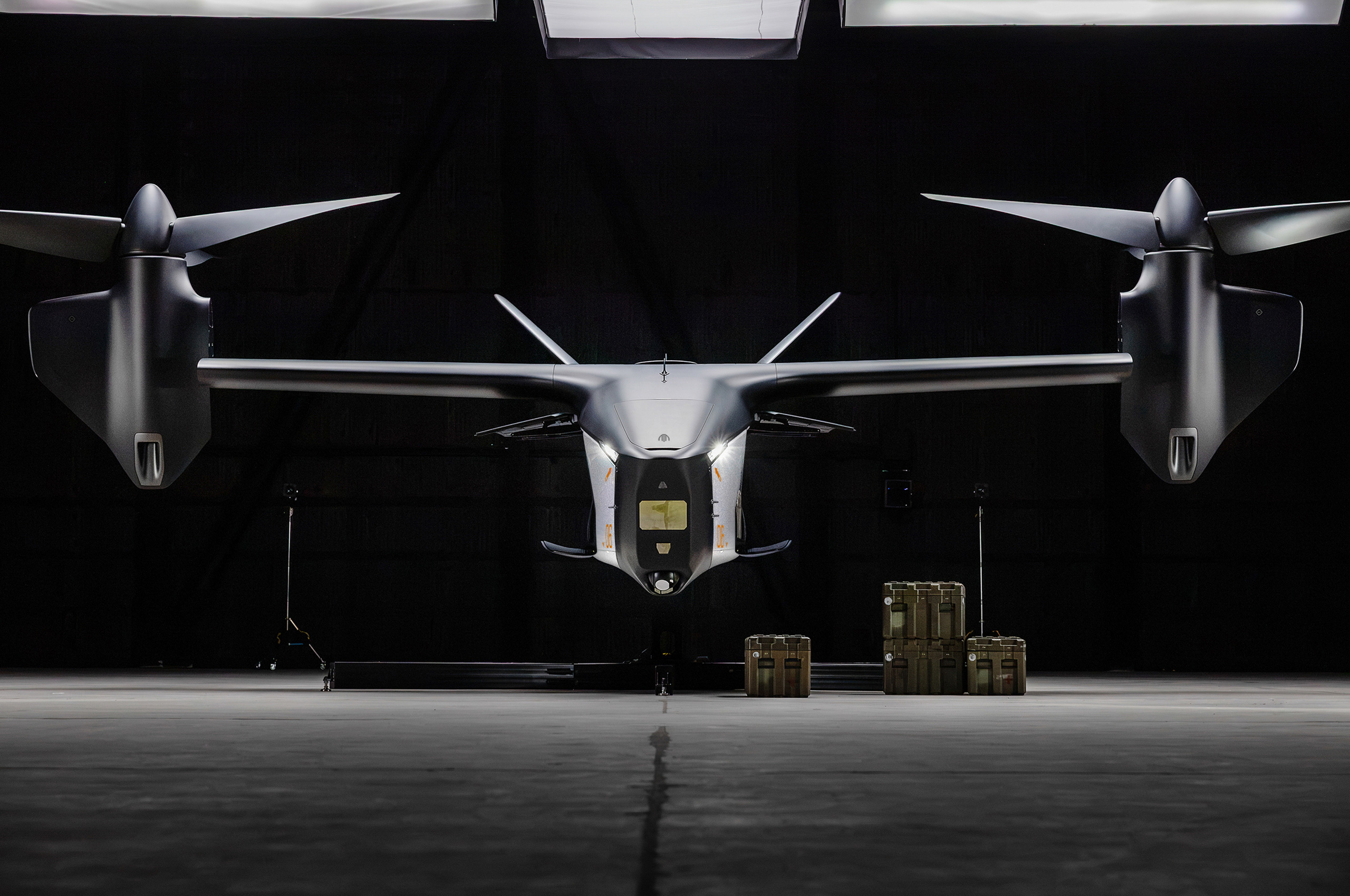
Archer Aviation has signed definitive agreements to acquire Boeing’s Wisk Aero, Insitu and SkyGrid subsidiaries in a transaction that would combine autonomous flight, uncrewed aircraft and airspace management technologies with Archer’s artificial intelligence capabilities.
The proposed acquisition would bring the three Boeing businesses under Archer as the electric vertical takeoff and landing (eVTOL) company expands beyond its air taxi activities into broader aerospace and defense applications.
Together, Wisk, Insitu and SkyGrid represent nearly two million flight hours and more than $200 million in annual revenue, with operations across 35 countries.
Autonomous Flight and Uncrewed Systems
Wisk Aero brings more than 16 years of eVTOL development experience. The company has designed and flown six generations of aircraft and conducted more than 1,700 flight tests as it develops autonomous electric aircraft.
Insitu adds established uncrewed aircraft capabilities to the combination. The company produces unmanned aircraft systems used by military customers in 35 countries and has manufactured more than 3,500 aircraft.
SkyGrid contributes software and infrastructure for managing autonomous aircraft within shared airspace. Its technology is focused on integrating autonomous flight operations with ground-based air traffic management systems.
Archer plans to combine these capabilities with its ZEE artificial intelligence foundation model, which has been developed specifically for aviation applications.
Adam Goldstein, founder and chief executive of Archer, described the transaction as a major step in the company’s expansion into aerospace and defense.
“A watershed moment for Archer and the future of physical AI in aerospace and defense,” Goldstein said.
He added that the acquisition would support Archer’s efforts to diversify its business, expand revenue and increase operational scale.
Boeing to Retain Technology Access
Boeing will continue to have access to Wisk’s autonomous flight technology for its existing and future commercial and defense aircraft under a collaboration and technology-sharing agreement.
Boeing will also take a strategic stake in Archer following the transaction. The arrangement would allow Boeing to maintain exposure to the technologies developed by the businesses while directing investment toward its core operations.
Brian Yutko, Boeing’s vice president of Commercial Airplanes Product Development, said the transaction would allow the three businesses to accelerate development and commercialization while preserving the value of Boeing’s investments in the technologies.
From Legal Dispute to Broader Partnership
The proposed acquisition builds on a relationship between Archer and Wisk that followed a legal dispute over trade secrets and patent infringement.
The companies settled their two-year legal battle in August 2023. As part of the subsequent agreement, Boeing invested $215 million in Archer’s funding round, while Archer and Wisk agreed to collaborate on autonomous flight technology.
The planned acquisition would take that relationship further by bringing Wisk and two additional Boeing subsidiaries into Archer’s broader technology platform.
Transaction Still Subject to Regulatory Review
The acquisition remains subject to regulatory approvals, including review under the Hart-Scott-Rodino Antitrust Improvements Act.
The companies expect the transaction to close by the end of 2026, assuming the required approvals and other closing conditions are satisfied.
If completed, the deal would give Archer a broader portfolio spanning electric aircraft, autonomous flight, unmanned systems, airspace management and aviation-focused artificial intelligence.
For Boeing, the transaction provides a route to retain strategic access to autonomous flight technologies while maintaining a financial interest in Archer and reducing the need to operate the businesses directly.