


Owners of early-generation fuel-cell vehicles could soon face a significant maintenance challenge as the certified service life of their high-pressure hydrogen tanks approaches expiration, according to Vision Mobility.
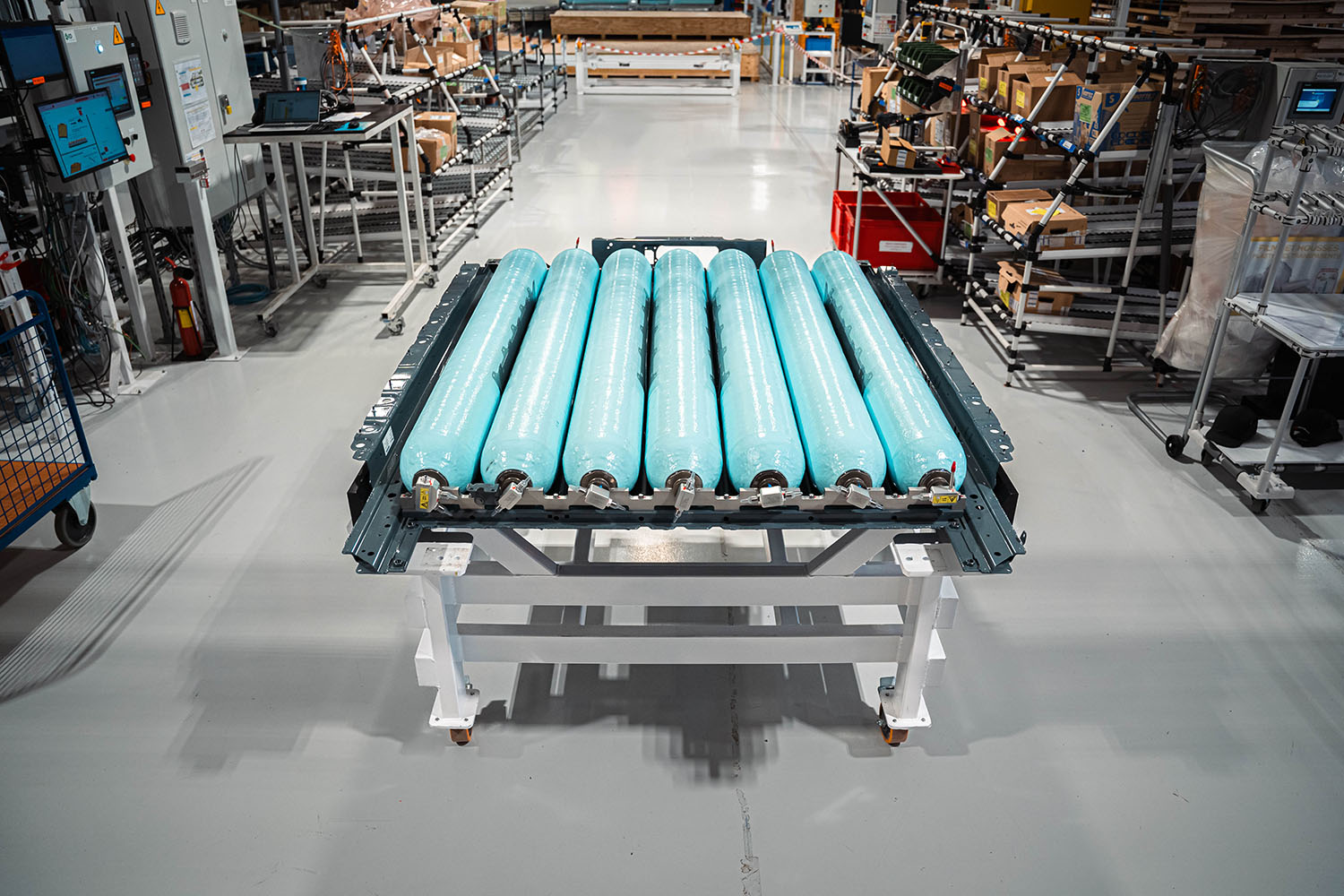
Unlike the fuel-cell powertrain itself, the carbon-fibre-reinforced plastic (CFRP) hydrogen tanks are approved for a fixed operational lifespan of between 15 and 20 years, depending on their design. Once that certification expires, the tanks must currently be replaced for the vehicle to retain its operating licence.
The issue affects some of the earliest commercially available fuel-cell passenger cars, including the first-generation Toyota Mirai, Hyundai ix35 Fuel Cell and Honda FCX Clarity.
Tank Replacement Could Exceed Vehicle Value
According to Germany’s Federal Motor Transport Authority (Kraftfahrt-Bundesamt), around 1,500 fuel-cell vehicles are currently registered in the country, with most operated by businesses, government agencies and research organisations rather than private owners.
Replacing expired hydrogen tanks can reportedly cost a five-figure euro sum, creating a financial challenge for owners of older vehicles.
Early examples of the Toyota Mirai are now available on the used market for less than €10,000 in some cases, meaning replacement costs could exceed the vehicle’s remaining value.
Germany currently has no certified process for extending the approval period of hydrogen tanks once their original certification expires. While tanks undergo visual inspections during routine roadworthiness tests, there is no established procedure for technical reassessment and recertification.
Fuel-Cell Market Remains Small
Although the certification issue will affect some early fuel-cell vehicles, the global passenger fuel-cell market remains relatively small.
According to SNE Research, 16,011 fuel-cell vehicles were registered worldwide in 2025, representing a 24.4% increase from the previous year. However, registrations in Europe declined 23.1% to just 566 vehicles.
Despite limited market volumes, several automakers continue investing in hydrogen fuel-cell technology.
BMW plans to introduce a fuel-cell version of the X5 beginning in 2028, while Hyundai continues to offer the Nexo as one of the few fuel-cell passenger vehicles currently available in the European market.


