

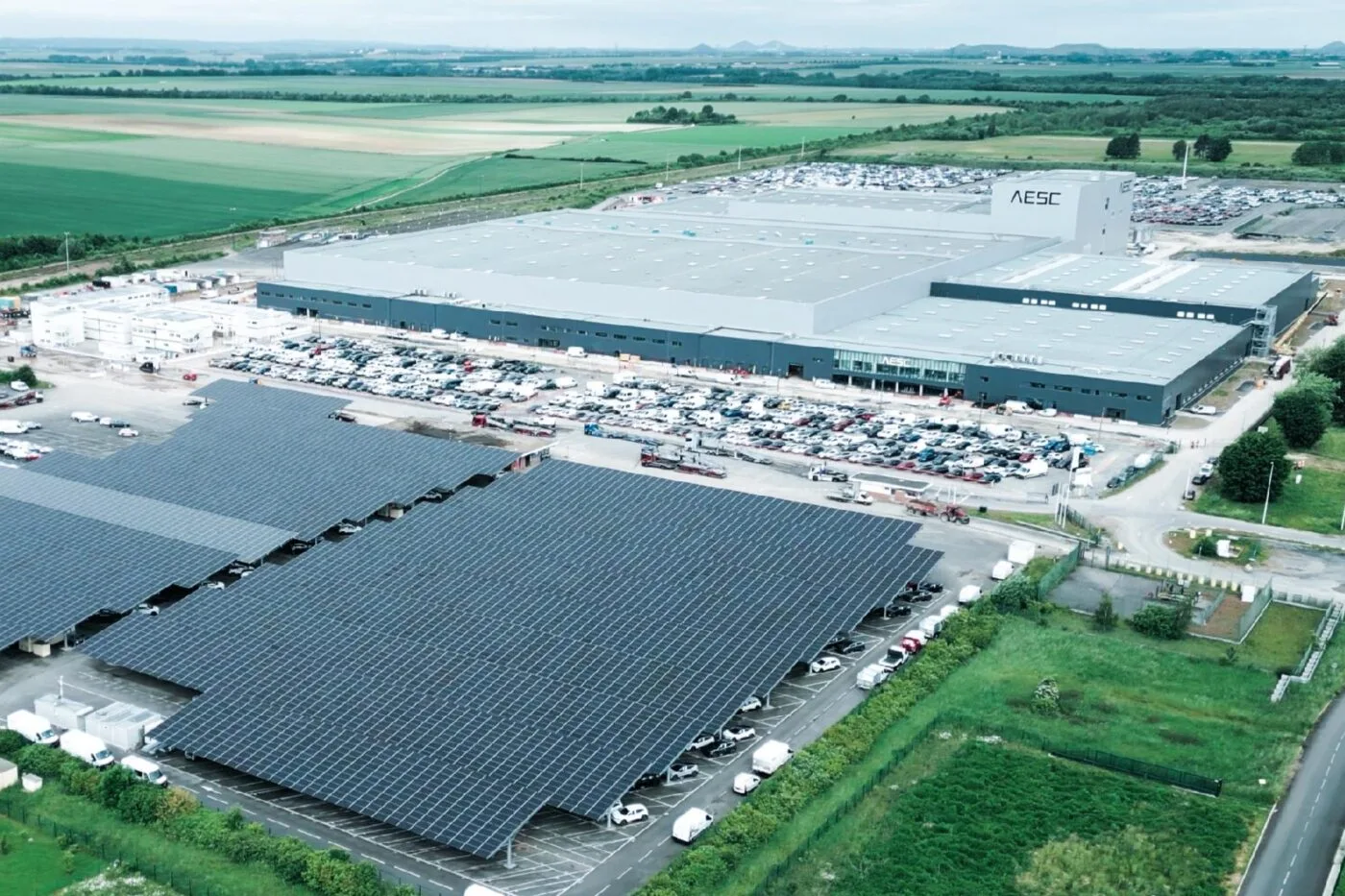
Battery manufacturer AESC has commenced production at its new 10 GWh gigafactory in Douai, France, a key milestone in France’s push to bolster domestic electric vehicle (EV) manufacturing. The facility will supply lithium-ion batteries for Renault and is expected to create up to 1,000 jobs as operations ramp up.
French President Emmanuel Macron attended the official start-of-production ceremony and praised the initiative as central to France’s ecological and industrial transformation. “The inauguration of the AESC gigafactory—launched as part of Choose France in 2021—is the culmination of eight years of determined effort,” Macron said. “This flagship project reflects a uniquely French vision of ecological transition: one that unites innovation, development, job creation, and sustainable ambition.”
The Douai site currently employs 650 workers and is projected to reach 1,000 at full capacity. Backed by an investment of €1.3 billion, the project has received financial support from institutions including Bpifrance, the European Investment Bank (EIB), and a group of commercial banks. The EU Commission approved a €48 million grant from the French government earlier this year, while the EIB issued €450 million in loans in 2023.
The plant, located in the Hauts-de-France region, will initially supply affordable NMC (nickel-manganese-cobalt) battery cells for the all-electric Renault R5. Higher-performance cells for Renault vehicles will continue to be sourced from LG Energy Solution. The factory features integrated production from electrode manufacturing to module integration and is powered by renewable electricity. “By investing in cutting-edge battery technology and skilled talent, we are proud to help accelerate the decarbonization of transportation worldwide,” said AESC Chairman Lei Zhang.
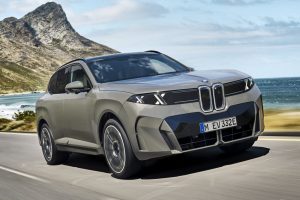
While AESC moves forward in France, the company has temporarily halted construction of its $1.6 billion U.S. gigafactory in South Carolina, intended to supply BMW with cylindrical battery cells. AESC cited uncertainty surrounding U.S. economic policy and market conditions for the delay. The South Carolina plant was expected to create 1,600 jobs.