
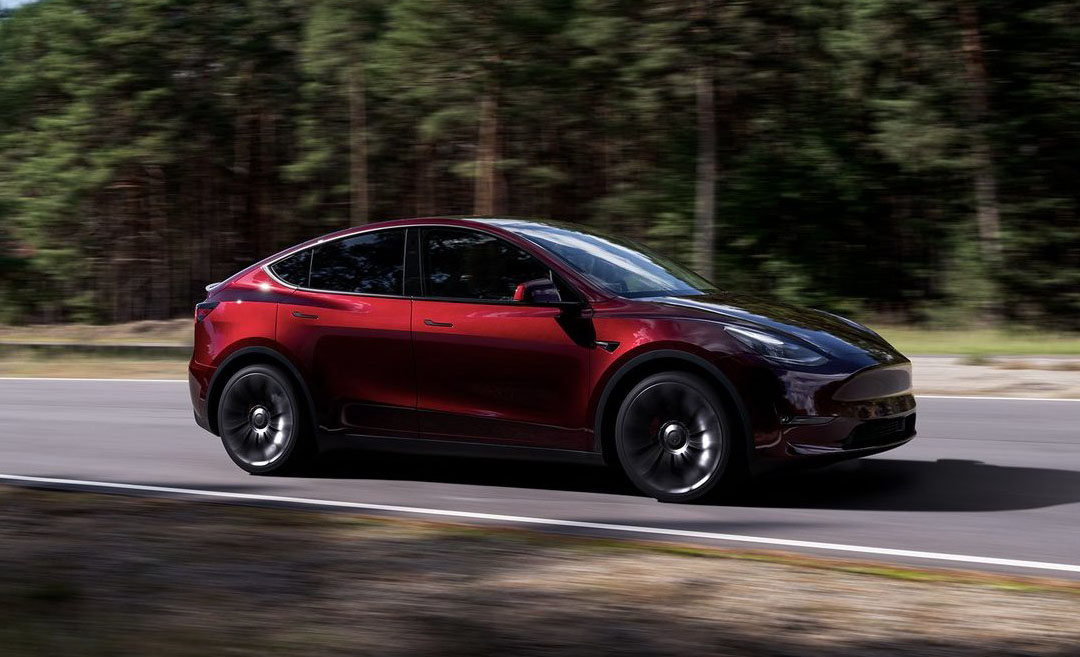
New registrations of electric vehicles in Germany surged in January, with the Federal Motor Transport Authority (KBA) recording 34,498 battery-electric cars, a 53.5% increase from the same period last year. This growth positioned electric vehicles ahead of diesel-powered cars, which saw a sharp decline in market share.
The significant year-on-year rise is largely attributed to the previous year’s slump in January, following the abrupt end of the government’s EV subsidy program for private buyers in December 2023. While the overall German car market shrank by 2.8% in January, electric vehicles accounted for 16.6% of total registrations, up from 13.5% in 2024.
See also: Tesla’s Germany Sales Plunge Nearly 60% Amid Market Shifts, Political Scrutiny
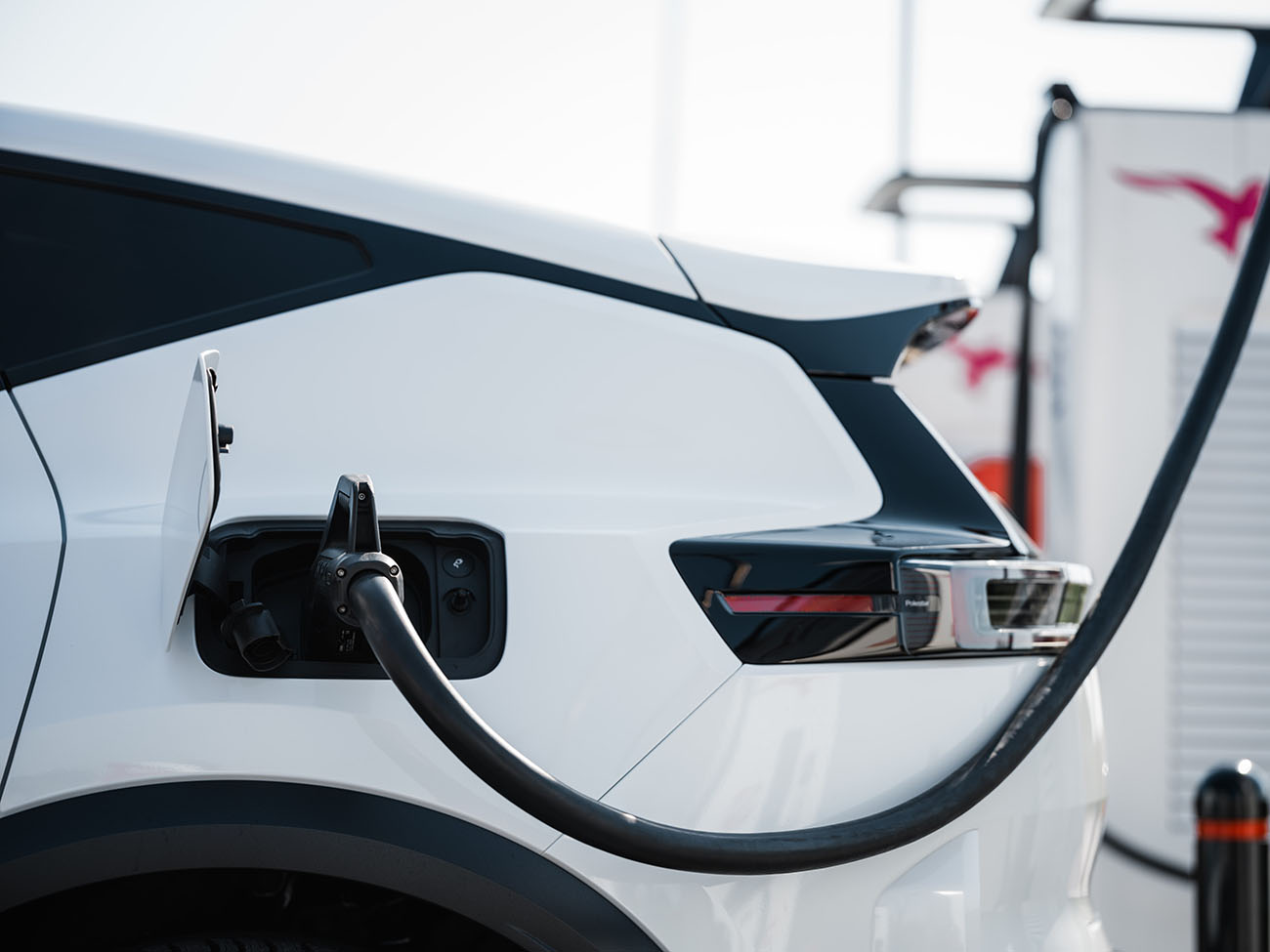
Plug-in hybrids also showed positive momentum, with 17,712 new registrations, marking a 23.1% increase and bringing their market share to 8.5%. Combined, fully electric and plug-in hybrid vehicles represented more than a quarter of all new cars registered in Germany at the start of 2025.
Among traditional combustion engines, petrol-powered vehicles retained the largest share at 30.0%, though registrations fell by 23.7% year-on-year. Diesel vehicles declined by 19.5%, accounting for 15.9% of new registrations—now trailing behind battery-electric models. Meanwhile, mild and full hybrids captured 28.5% of the market, signaling a shift toward electrification.
See also: Norway Registers 8,954 Electric Cars in January 2025, Reaching 95.8% Market Share

Tesla led the purely electric car segment with 1,277 registrations, despite a 59.5% drop. MG Motor, which includes hybrid sales, recorded 1,645 units. Other key EV brands included Smart (490), Polestar (235), BYD (235), Xpeng (94), Vinfast (28), Lucid (19), and Nio (18).
Despite the growing EV adoption, Germany’s average CO2 emissions from new vehicles remained above EU targets, highlighting the need for continued expansion of electric mobility.