
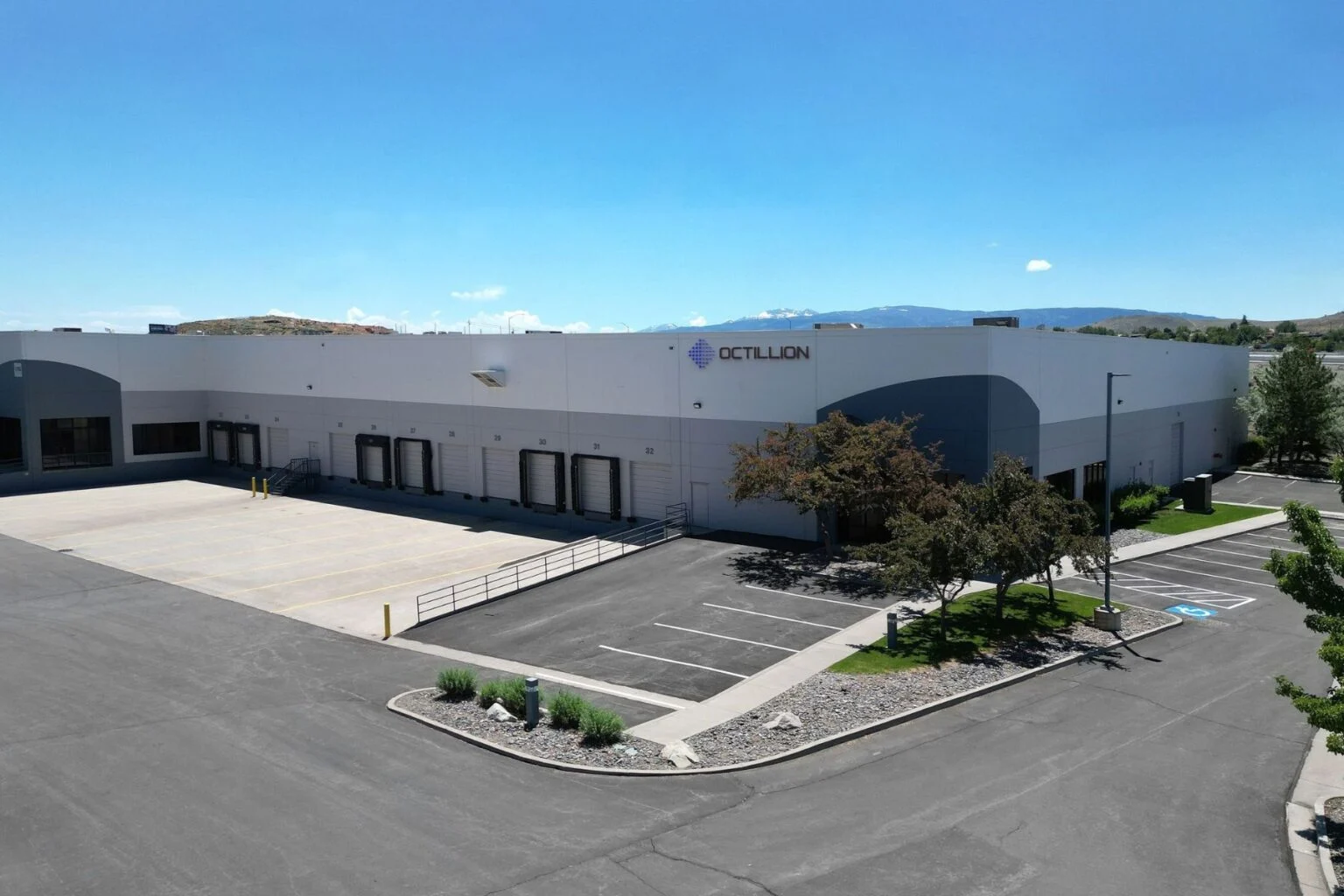
Octillion Power Systems has opened a new battery production facility in Reno, Nevada, expanding its manufacturing presence in North America. The 40,000-square-foot site, dubbed “Nevada One,” is designed to produce up to 1 gigawatt-hour (GWh) of battery systems annually by 2025. The facility will also serve as a co-located production model for clients seeking to scale their own battery manufacturing operations.
The Reno facility will focus on lithium-ion battery systems for electric vehicles (EVs), off-highway equipment, marine applications, and energy storage. Octillion stated the site combines automation, robotics, and manual labor to assemble battery packs. The company expects the facility to employ 40–50 workers, with operations commencing eight months after signing the lease.
See also: U Power Expands UOTTA Battery Swap Solution to Europe and South America with New Partnerships
Paul Beach, Global President of Octillion, described the facility as a response to growing demand for localized battery production: “Nevada One will serve as a working model for how co-located factories can support North American manufacturing needs across e-mobility sectors.”
The Economic Development Authority of Western Nevada (EDAWN) noted the project aligns with the state’s efforts to attract clean energy investments. Octillion operates six other manufacturing sites in the U.S., India, and China, claiming to have supplied over 1.5 million battery systems globally.
See also: Chinese Researchers Explore Lithium Titanium Phosphate for Enhanced Cold-Weather Battery Performance
The opening comes as U.S. policymakers and automakers push to bolster domestic battery production amid rising EV adoption. Nevada, home to Tesla’s Gigafactory and other energy-related projects, has positioned itself as a hub for battery and renewable energy manufacturing.
Octillion did not disclose specific clients for the Reno facility or provide detailed timelines for reaching full production capacity. The company’s expansion follows increased federal incentives for clean energy manufacturing under legislation such as the Inflation Reduction Act.