
A coalition of 26 US states, counties and major cities, alongside environmental organizations, has filed a lawsuit challenging the Trump administration’s decision to weaken federal fuel economy standards for new vehicles. Led by California Attorney General Rob Bonta, the plaintiffs argue that the National Highway Traffic Safety Administration (NHTSA) failed to meet its legal obligation to set standards at the maximum feasible level of fuel efficiency.
The revised rules lower the target for average fleet fuel economy by 2031 from 50.4 miles per gallon (mpg) to 34.9 mpg. The change affects new passenger cars and light-duty vehicles and has implications for vehicle costs, fuel consumption and emissions.
The legal challenge will examine whether the agency followed the requirements governing the development of federal fuel economy standards.
Revised Standards and Vehicle Costs
The US Department of Transportation, led by Secretary Sean Duffy, has argued that less stringent fuel economy requirements could reduce manufacturing costs and help make new vehicles more affordable.
According to the figures cited in the policy analysis, the agency estimates that average manufacturing costs could fall by approximately $1,289 per vehicle. However, vehicles with higher permitted fuel consumption could cost owners more to operate over time.
The same analysis estimates that lifetime fuel expenses could increase by more than $1,600 per vehicle on average. Across the US vehicle fleet, projected fuel savings could be reduced by nearly $220 billion compared with the previous standards.
These estimates illustrate the competing considerations behind the policy: potential reductions in vehicle purchase costs against higher fuel expenses over a vehicle’s lifetime. Actual costs will depend on fuel prices, driving patterns, vehicle choice and other factors.
Implications for Electric Vehicles and Emissions
The revised rules also affect the regulatory environment for electric vehicles. The policy described in the announcement includes ending the CAFE credit trading program without replacement from 2028, removing a revenue source that some manufacturers have used to monetize fuel-efficiency credits.
The change could affect manufacturers’ financial calculations for developing and selling lower-emission vehicles. The extent of the impact will vary according to each company’s product lineup and regulatory position.
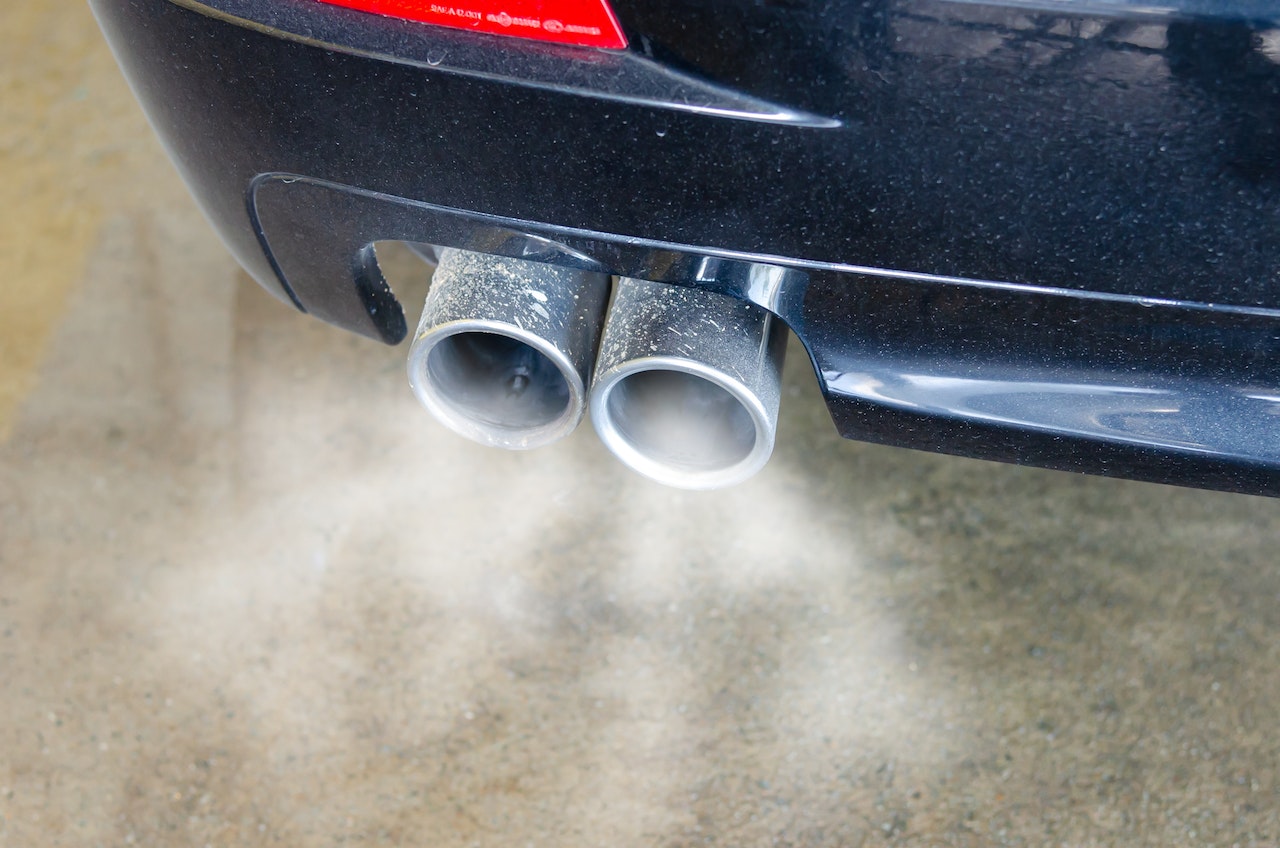
The revised fuel economy standards are also expected to increase gasoline consumption relative to the previous requirements. Estimates cited in the policy analysis project a 4.6% increase in US gasoline consumption by 2050, equivalent to approximately 458 billion litres.
Higher fuel consumption could increase greenhouse gas emissions and air pollution, although the ultimate effect will depend on vehicle sales, fleet turnover, driving demand and other developments. The plaintiffs contend that the rule does not adequately account for these consequences.
Legal Challenge to NHTSA’s Authority
The coalition argues that NHTSA has not complied with its statutory duty to establish fuel economy standards at the maximum feasible level.
The legal framework governing Corporate Average Fuel Economy (CAFE) standards requires the agency to consider feasibility when setting efficiency targets. The plaintiffs allege that the revised analysis improperly excluded millions of electric vehicles already on US roads and contained flaws in its assessments of vehicle safety and affordability.
These are allegations raised in the lawsuit, not findings established by a court. The proceedings will determine whether NHTSA’s decision complied with the applicable legal requirements and whether the revised standards can remain in effect.
Potential Consequences for the Automotive Industry
The outcome could affect automakers’ product planning, compliance costs and investment decisions across gasoline, hybrid and electric vehicle segments. Manufacturers must balance regulatory requirements with vehicle prices, consumer demand, technology costs and competition.
For consumers, the dispute concerns the trade-off between potential upfront savings and longer-term fuel expenses. For regulators and manufacturers, it raises questions about how federal fuel economy rules should account for technological developments, economic feasibility and environmental effects.
The court’s review will determine whether the revised standards stand or require changes. Until then, the lawsuit represents a legal challenge to the administration’s approach to regulating fuel consumption in new vehicles.