
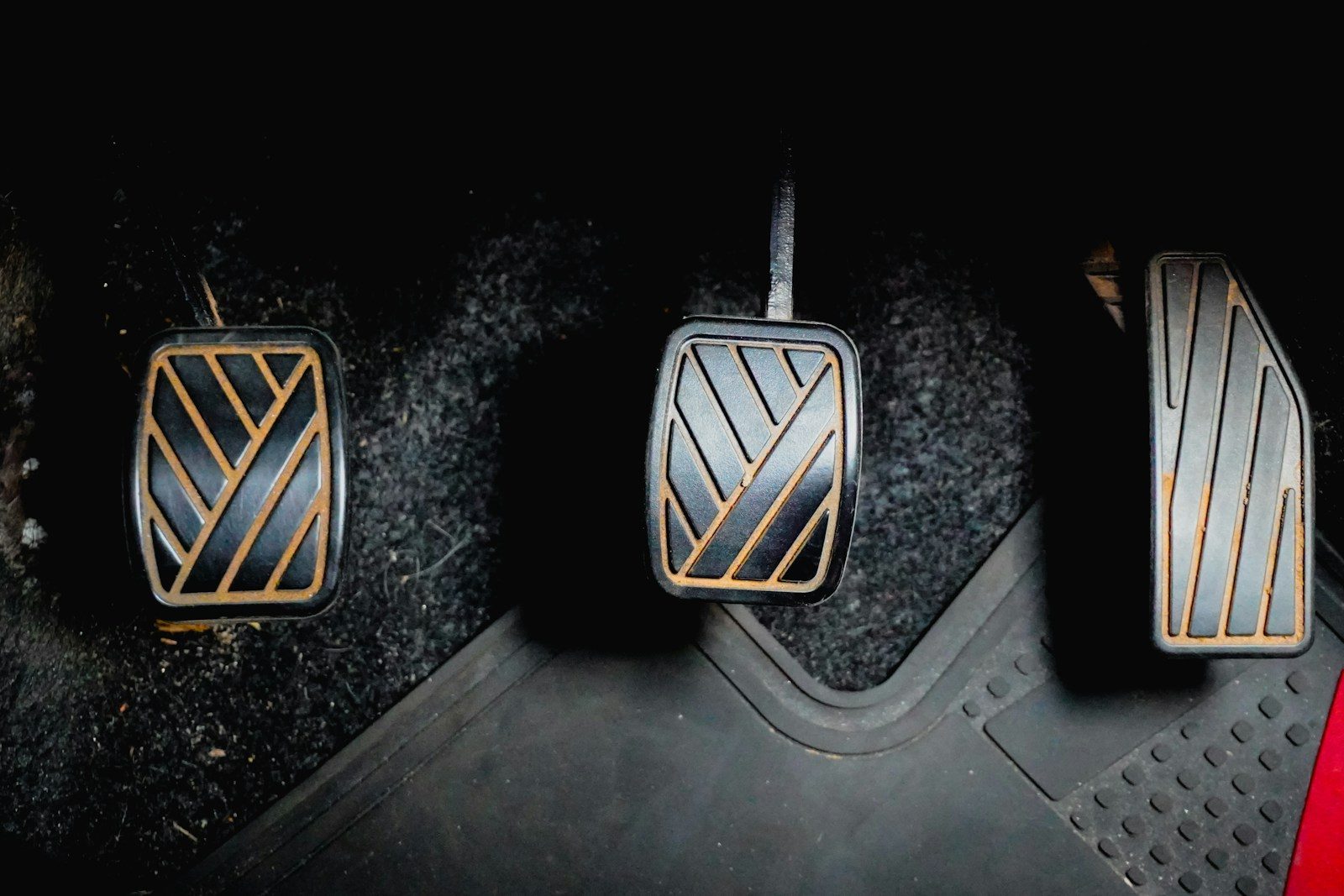
The U.S. National Highway Traffic Safety Administration (NHTSA) has proposed removing the requirement for manual brake pedals in vehicles designed to operate exclusively with automated driving systems (ADS), marking the agency’s fifth update to the Federal Motor Vehicle Safety Standards (FMVSS) under its Automated Vehicle Framework.
The proposed rule would amend FMVSS No. 135 by eliminating the requirement for hand- and foot-operated brake controls in vehicles that are never intended to be driven by a human. Vehicles equipped with automated driving systems that continue to include manual driving controls would remain subject to the existing requirements.
Performance Standards Would Remain
Although the proposal would remove the requirement for physical brake pedals in fully autonomous vehicles, NHTSA said manufacturers would still be required to meet the same braking performance standards.
Under the proposal, affected vehicles would continue to demonstrate compliance with federal stopping-distance requirements through alternative testing methods designed for vehicles without human driving controls.
The agency said the rule is intended to ensure that autonomous vehicles can safely stop when commanded while allowing greater flexibility in vehicle design.
NHTSA also noted that it is developing broader safety performance standards for automated vehicles operating in real-world conditions and will continue using its defect investigation and recall authority to address unsafe automated driving systems.
Part of Broader Regulatory Reform
NHTSA Administrator Jonathan Morrison said the proposal forms part of a broader effort to modernize vehicle regulations for autonomous technology.
“We are at the cusp of the greatest technological revolution in vehicle technology since the innovation of the Model T.”
He added:
“If we want America to lead the way, we have to reimagine our regulatory framework. That’s why under Secretary Sean Duffy’s AV Framework, NHTSA is tearing down pointless barriers to innovative designs while strengthening the fundamental safety requirements that matter and holding AV developers accountable for safe performance.”
The braking proposal follows earlier rulemaking efforts covering transmission shifting (FMVSS No. 102), windshield defrosting and wiping systems (FMVSS Nos. 103 and 104), and tire information placards (FMVSS No. 110).
According to NHTSA, once the planned updates are finalized, manufacturers of purpose-built autonomous vehicles may no longer need to seek individual regulatory exemptions for certain vehicle designs.
The agency is also developing objective performance standards for automated driving systems, updating federal safety guidance for autonomous vehicle developers, and continuing discussions with automotive and technology companies through its National AV Safety Forum as part of its broader Automated Vehicle Framework.