
BYD is reassessing its European manufacturing strategy, with the company placing greater emphasis on its Hungarian operations while temporarily pausing plans for a new electric vehicle production facility in Turkey.
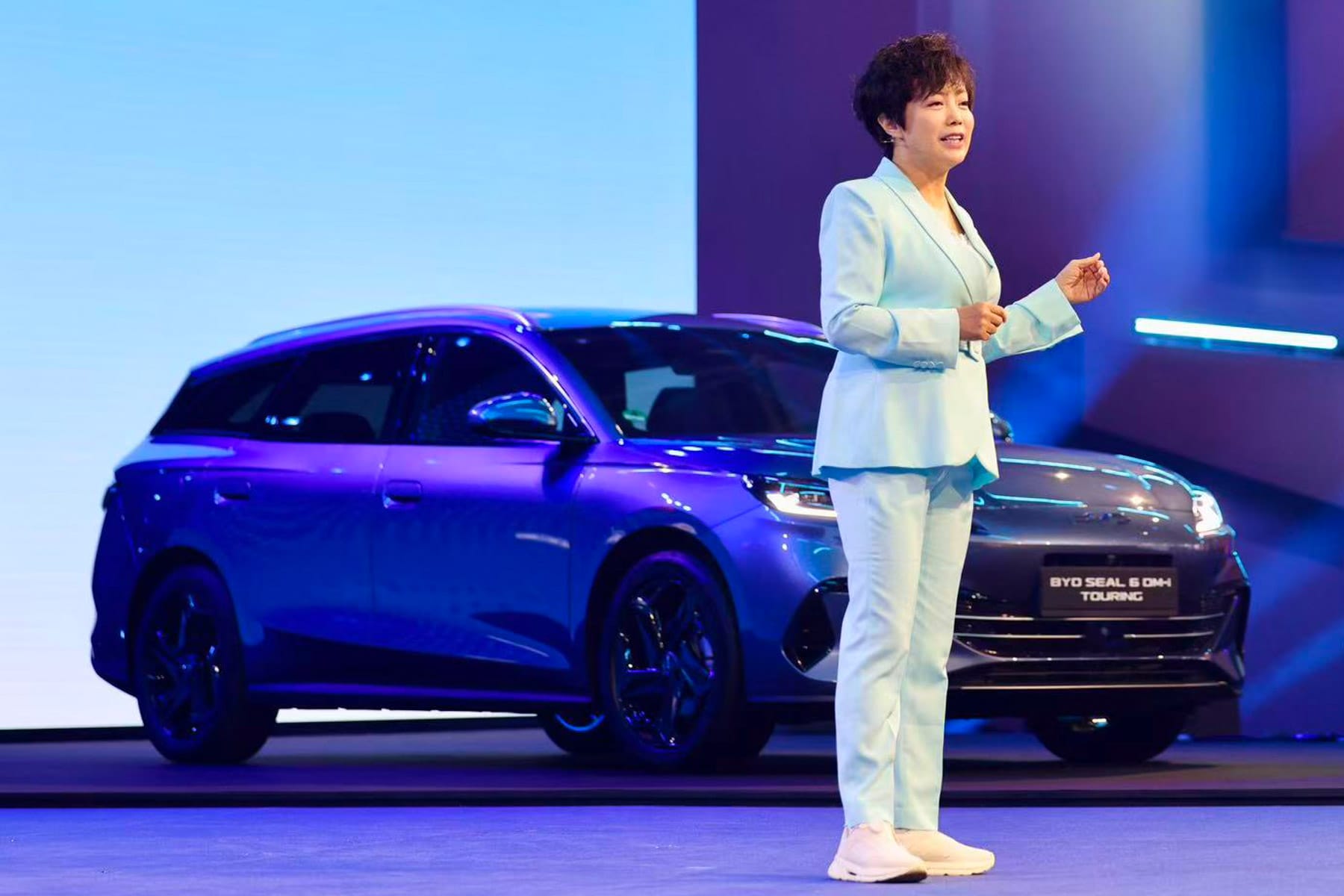
The update was provided by BYD Executive Vice President Stella Li, who said the company’s immediate focus is on ramping up production at its new passenger vehicle plant in Hungary before pursuing a second manufacturing base in Europe.
The comments suggest a shift in BYD’s expansion plans, as the Chinese automaker had previously identified Turkey as the location for its second major European passenger vehicle production facility.
Hungary Becomes BYD’s Top Priority
Speaking during a visit to the company’s UK headquarters in London, Li said Hungary remains BYD’s primary focus for vehicle manufacturing in Europe.
“Hungary is the number one priority right now,” Li said, according to Reuters.
“The second priority will be to focus on finding a second facility in Europe.”
BYD has maintained a manufacturing presence in Hungary since 2017 through its electric bus production operations in Komárom. The company also operates battery assembly facilities in Fót and Páty.
Its new passenger vehicle factory in Szeged is expected to become the cornerstone of BYD’s European car production strategy.
Although test production began at the facility in February 2026, Li indicated that vehicle manufacturing will not begin until the fourth quarter of 2026 as installation of production equipment continues.
The plant is expected to build vehicles including the Dolphin Surf electric hatchback for the European market.
Turkey Project Put on Hold
The most notable revelation from Li’s comments was that BYD has halted progress on its planned manufacturing facility in Manisa, Turkey.
The company announced plans in 2024 to invest approximately $1 billion in the project, which was originally scheduled to begin operations by the end of 2026.
However, Li confirmed that construction has not yet started and that no production timetable currently exists for the site.
While BYD has not cancelled the project, the Turkish factory is no longer among the company’s immediate priorities.
The decision represents a significant change from earlier expectations that Turkey would become BYD’s second major passenger vehicle production hub serving Europe.
Acquisition Preferred Over New Construction
Rather than building another greenfield factory, BYD is now exploring opportunities to acquire an existing manufacturing facility in Southern Europe.
“We would prefer to take over an existing plant,” Li reportedly said during a media event in Berlin.
Although the company has not disclosed specific targets, Spain has previously been identified as one of BYD’s preferred locations for future manufacturing expansion.
An acquisition could allow the company to establish production capacity more quickly while reducing development costs compared with building a new factory from scratch.
EU Local Content Rules Influence Strategy
BYD has not provided a detailed explanation for its decision to pause the Turkey project and focus on an EU-based facility.
However, industry observers suggest the move may be linked to proposed European Union industrial policies that encourage local manufacturing and sourcing.
Turkey’s customs union with the European Union already allows vehicles produced there to enter EU markets without the additional tariffs imposed on Chinese-made electric vehicles.
As a result, the company’s decision is unlikely to be primarily driven by tariff considerations.
Instead, BYD may be positioning itself to benefit from emerging “Made in EU” requirements that could influence future public procurement programmes and electric vehicle incentive schemes across Europe.
Several European governments, including Germany, have indicated support for linking future EV subsidies to local manufacturing content, increasing the strategic value of production facilities located within the European Union.
As BYD continues expanding its presence across Europe, the company appears increasingly focused on strengthening its manufacturing footprint inside the EU to support long-term growth in the region.