
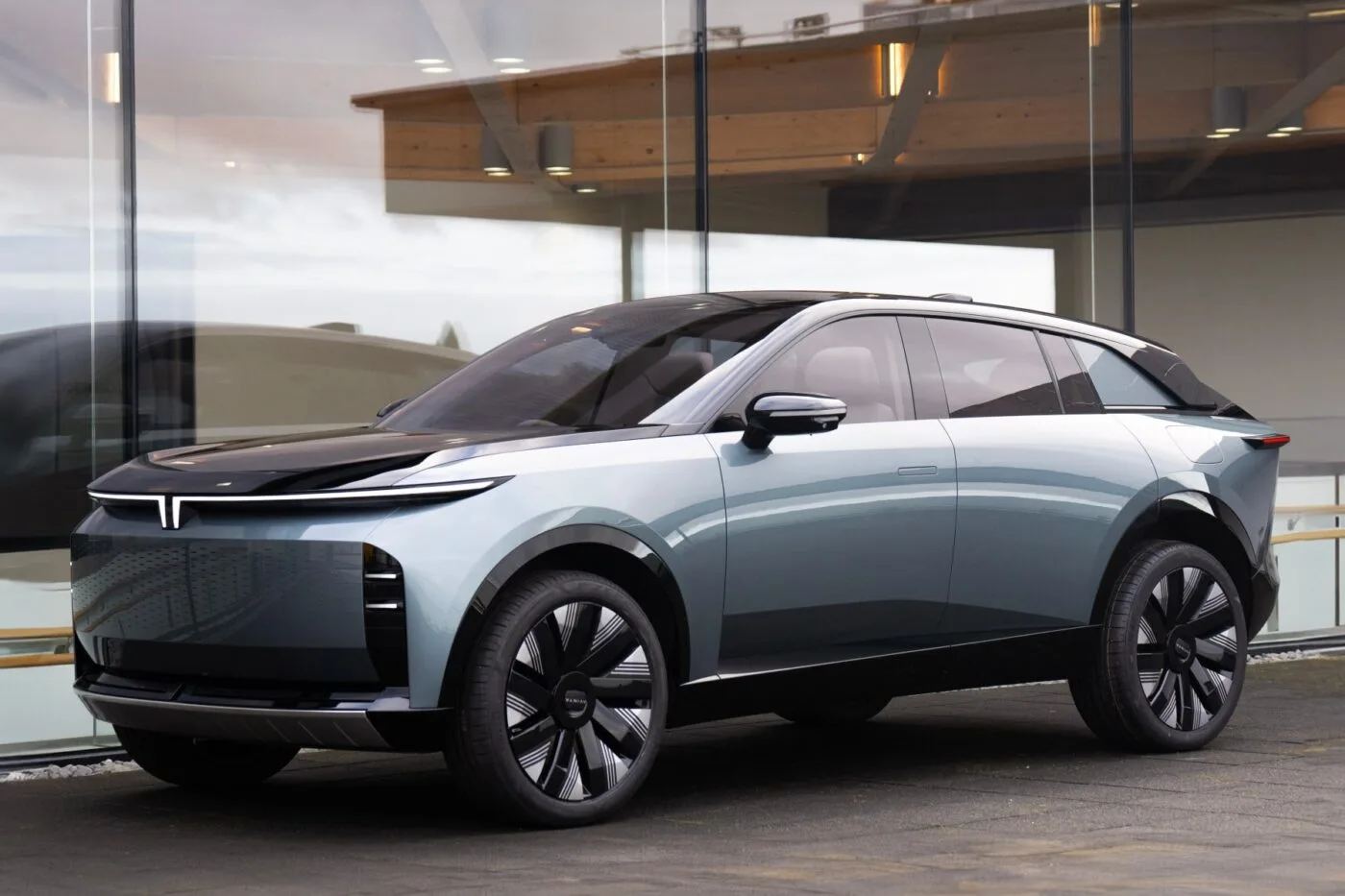
Tata Motors plans to license a vehicle platform developed by Chery Jaguar Land Rover (CJLR) for its upcoming Avinya electric vehicle lineup, marking a change in strategy for the Indian automaker’s premium EV brand.
The move follows Tata Motors’ decision to move away from using Jaguar Land Rover’s Electrified Modular Architecture (EMA) platform, which had originally been intended to underpin future Avinya models.
Platform Strategy Changes
According to reports from Autocar Professional, Tata Motors reconsidered its plans after Jaguar Land Rover decided against manufacturing EMA-based electric vehicles in India.
With Avinya volumes alone deemed insufficient to support local investment in the EMA platform, Tata Motors opted to adopt the platform developed primarily for CJLR’s new Freelander brand.
The company intends to retain the platform’s core mechanical architecture while adapting the electronics, software and vehicle systems for Indian market requirements.
Tata Technologies has reportedly been tasked with carrying out the engineering modifications through its operations in India, China and the United Kingdom.
Avinya X-Based Model Moves to the Front
The platform change has also altered Tata Motors’ product roadmap for the Avinya brand.
The production version of the Avinya concept first unveiled in 2022, internally known as “P1”, had originally been expected to become the brand’s first model.
However, the company is now prioritizing the production version of the Avinya X concept revealed in 2025.
Internally referred to as “P2”, the SUV-styled model is expected to become the first vehicle launched under the Avinya brand.
SUV Demand Influences Product Plans
Tata Motors is also reportedly evaluating a larger three-row SUV as a potential second Avinya model.
Earlier reports suggested the vehicle could adopt styling and positioning similar to a full-size luxury SUV.
India’s strong consumer preference for SUVs, combined with the SUV-oriented nature of the CJLR platform, is believed to have influenced the revised product strategy.
Greater Flexibility for Future Powertrains
The new platform could provide Tata Motors with greater flexibility beyond battery-electric vehicles.
While Jaguar Land Rover’s EMA architecture was developed exclusively for electric vehicles, the CJLR platform is capable of supporting multiple powertrain technologies.
Industry reports indicate the architecture can accommodate battery-electric vehicles (BEVs), plug-in hybrid electric vehicles (PHEVs) and extended-range electric vehicles (EREVs).
Although Avinya has been introduced as an electric-only brand, the platform could allow Tata Motors to adapt more easily to future market developments.
Launch Timeline Extended
Tata Motors had previously targeted 2025 for the introduction of its first Avinya vehicle before later revising the launch schedule.
In late 2025, the company indicated the first model would arrive by the end of 2026.
The latest reports suggest the launch has been delayed again, with 2027 now expected to be the target timeframe for the debut of the Avinya brand.
Production Planned in Tamil Nadu
Avinya vehicles are expected to be manufactured at a facility in Panapakkam, located in Tamil Nadu’s Ranipet district.
The plant is shared with Jaguar Land Rover and currently assembles the Range Rover Evoque from imported kits.
The facility currently has annual production capacity of approximately 30,000 vehicles, although capacity can reportedly be expanded to more than 250,000 units as demand grows.