
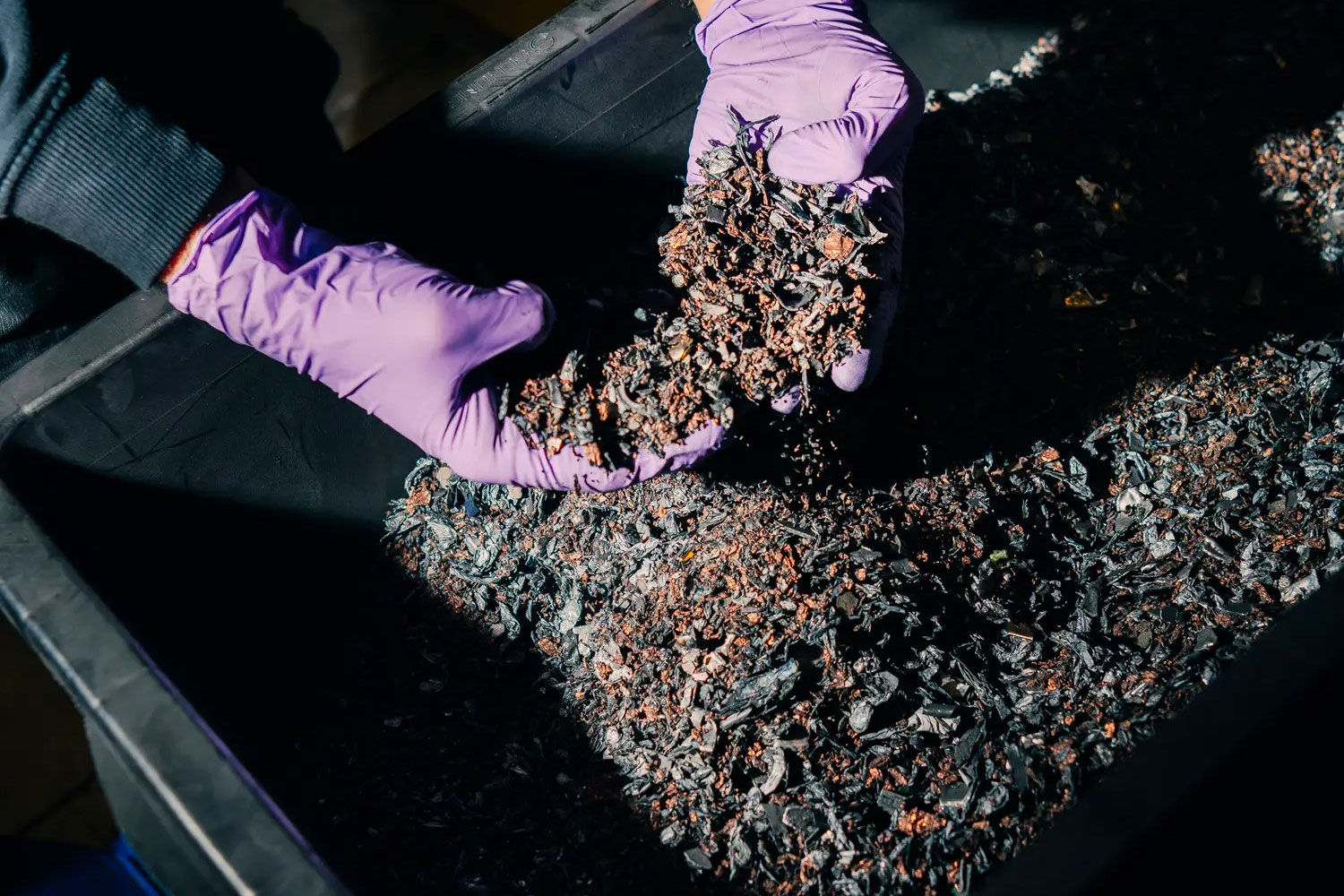
Vianode and cylib have signed a memorandum of understanding to collaborate on the use of recycled graphite in battery anode materials, as the companies seek to strengthen circularity and reduce emissions across the European battery value chain.
Under the agreement, cylib will supply recycled graphite concentrate recovered from end-of-life batteries, while Vianode will validate the material’s suitability for anode production through pilot-scale testing. The companies said the partnership is intended to support greater European material independence while lowering the carbon footprint associated with battery manufacturing.
Focus on Graphite Recovery and Circular Supply Chains
Graphite is the largest material component in a lithium-ion battery anode, yet it has received less attention than other battery materials in discussions surrounding supply chain security and recycling.
cylib said its OLiC (Optimized Lithium and Graphite Recovery) process is capable of recovering more than 90% of lithium, graphite, nickel, cobalt and manganese from used batteries. The company added that the process generates an approximately 80% lower carbon footprint compared with conventional primary extraction methods.
Pilot Testing Targets Commercial Deployment
Vianode will develop and test anode formulations containing the recycled graphite concentrate supplied by cylib and assess their performance at commercial scale.
The Norwegian anode materials producer said its synthetic graphite products already generate around 90% lower carbon dioxide emissions than conventional graphite materials. The collaboration is expected to contribute to Vianode’s objective of reducing emissions to 1.0 kilogram of CO₂ equivalent per kilogram of graphite by 2030.
Subject to successful testing and validation, the companies said they plan to negotiate a commercial agreement covering the long-term supply of recycled graphite concentrate.
Companies Highlight Strategic Benefits of Circular Materials
Burkhard Straube, Chief Executive Officer of Vianode, said battery recycling will play an important role in creating a more sustainable and resilient battery industry.
“Closing the loop on battery materials is essential for building a truly sustainable battery value chain. By collaborating with cylib on the integration of recycled graphite into advanced anode materials, we aim to strengthen circularity for battery graphite, reduce reliance on virgin raw materials, and support the EU’s ambitions for a more resilient, low-carbon battery ecosystem,” Straube said.
Dr. Lilian Schwich, Co-Chief Executive Officer and Co-Founder of cylib, said the partnership demonstrates that recycled materials can remain competitive in advanced battery applications.
“Vianode brings advanced anode expertise; we bring proven recycled materials. Together, we’re showing that circular doesn’t mean compromise. It means competitive advantage for Europe.”