
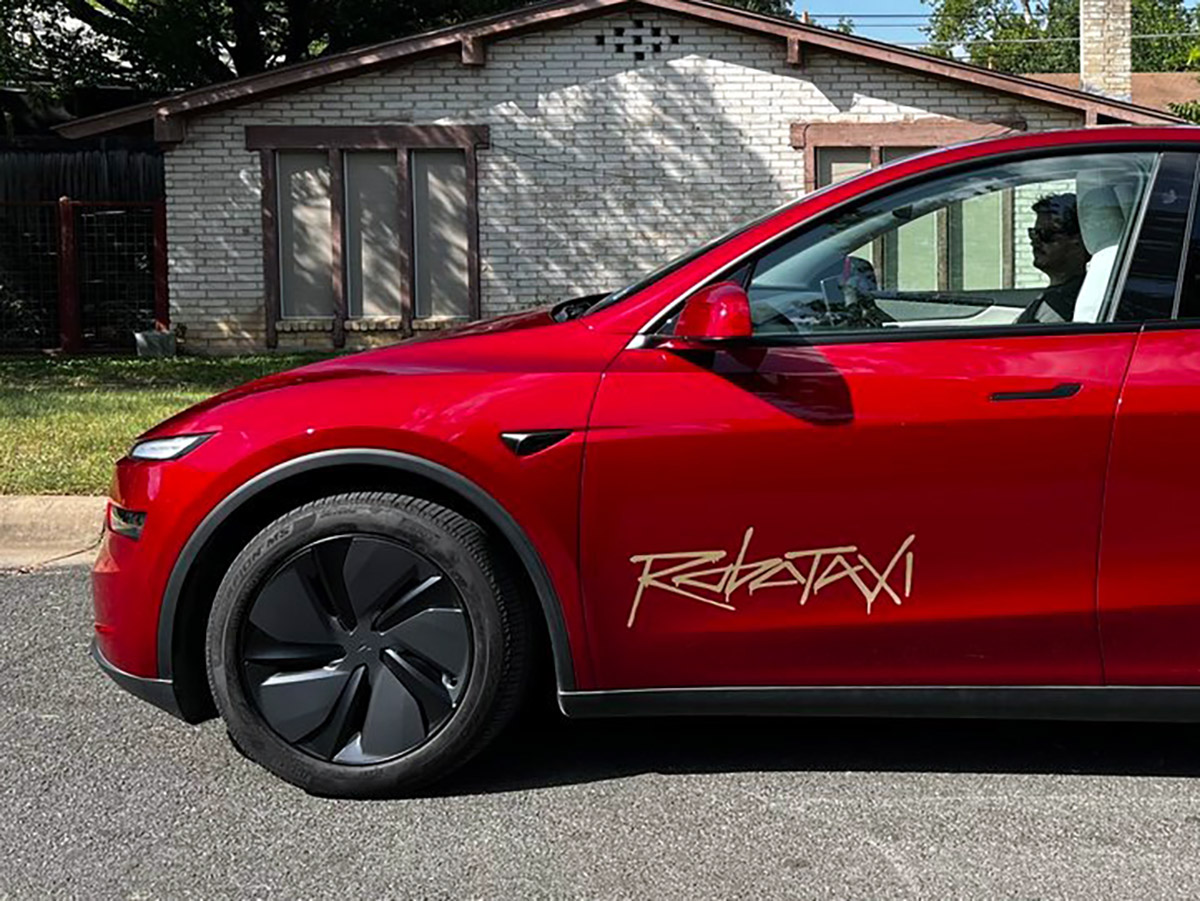
Tesla has received authorization from the State of Texas to operate commercial driverless vehicles under the state’s newly implemented autonomous vehicle framework, marking a significant regulatory milestone for the company’s Robotaxi ambitions.
The authorization appeared in the Texas Motor Carrier Credentialing System (TxMCCS) on 28 May 2026, the same day Texas’ updated autonomous vehicle regulations officially came into force.
According to the state records, Tesla Robotaxi, LLC is now listed as an authorized automated vehicle operator, indicating that the company has completed the self-certification process required for Level 4 autonomous driving operations.
New Texas Framework Enables Commercial Driverless Services
Under the revised Texas regulations, companies operating SAE Level 4 or higher autonomous vehicles can provide commercial driverless transportation services, provided they certify that their systems comply with applicable state and federal safety requirements.
The updated framework establishes a formal pathway for statewide commercial autonomous vehicle operations, replacing a regulatory environment that had previously focused largely on testing programs and pilot deployments.
The authorization allows Tesla to operate autonomous vehicles commercially within the scope permitted by the new law.
Tesla Registers 42 Autonomous Vehicles
State records indicate that Tesla has registered 42 autonomous vehicles under the authorization.
Based on the vehicle identification numbers (VINs) listed in the filing, all registered vehicles appear to be Model Y units.
The filing suggests Tesla intends to use the Model Y as the initial vehicle platform for its commercial Robotaxi operations under the Texas framework.
Self-Certification Covers Level 4 Capability
A key aspect of the new legislation is the ability for companies to self-certify compliance with Level 4 autonomous driving requirements.
Level 4 autonomy refers to systems capable of performing all driving tasks without human intervention within defined operating conditions and geographic areas.
Tesla’s inclusion in the state database indicates that the company has self-certified the autonomous driving technology used in its Robotaxi fleet under the requirements established by Texas law.
Potential Expansion of Robotaxi Operations
The authorization could support a broader rollout of Tesla’s autonomous ride-hailing services in Texas.
The company has been conducting autonomous vehicle operations in Austin within defined operating areas, and the new regulatory framework provides a mechanism for commercial expansion as additional vehicles and service areas are introduced.
Cybercab Development Continues
The approval coincided with Tesla releasing a new video showing Cybercab vehicles operating autonomously at its Gigafactory Texas facility.
The footage drew attention because the vehicles shown did not appear to include traditional driver controls such as steering wheels or pedals.
Tesla has positioned the Cybercab as a purpose-built autonomous vehicle designed specifically for driverless transportation services.
Tesla’s Vice President of AI Software, Ashok Elluswamy, indicated on social media that autonomous Cybercab vehicles are expected to begin operating in Austin in the future, although the company has not announced a specific commercial launch date.
The Texas authorization represents an important step in Tesla’s efforts to expand autonomous transportation services in one of the largest vehicle markets in the United States.