
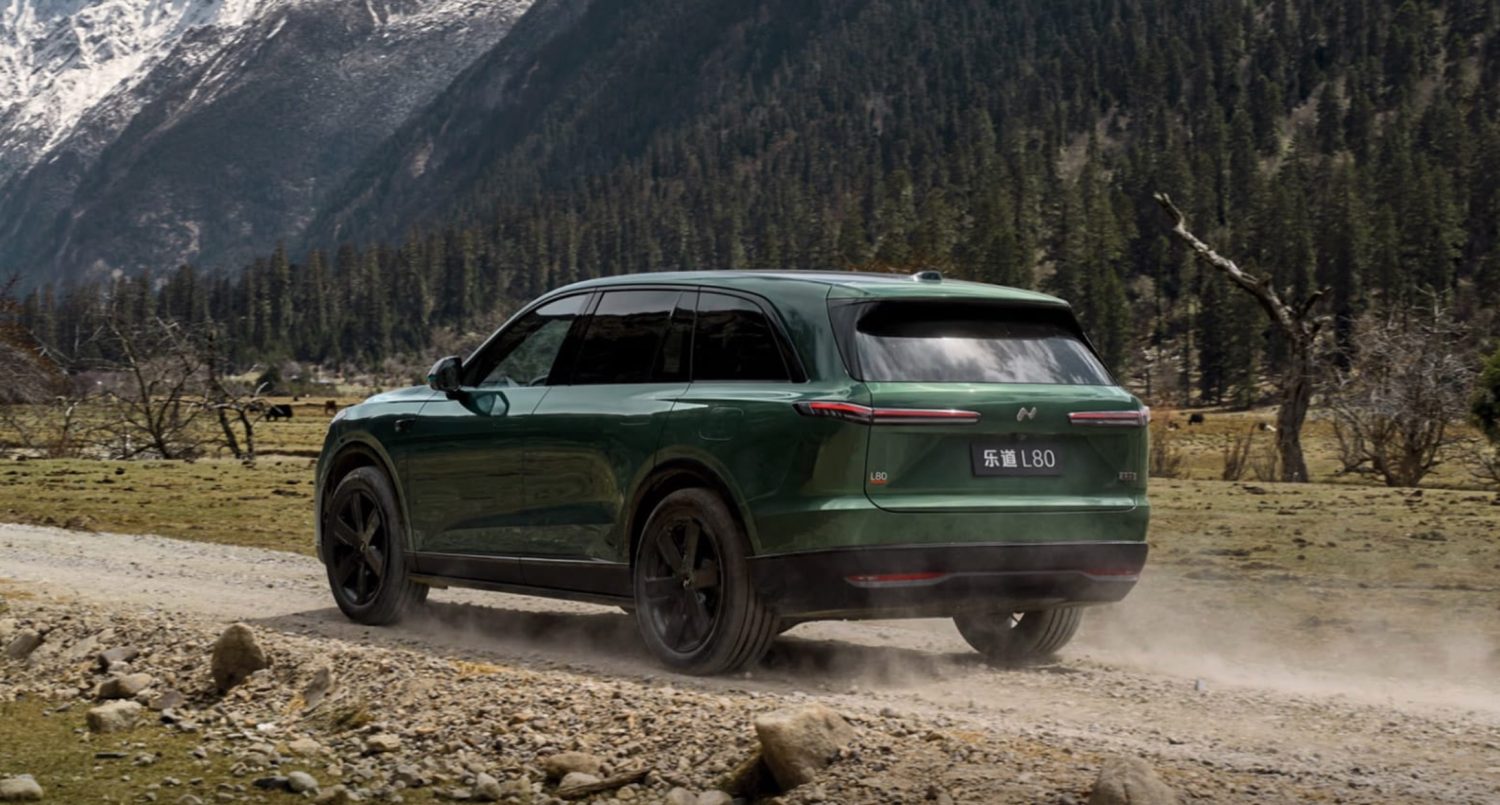
Nio’s sub-brand Onvo has launched the L80, a five-seat electric SUV priced from 245,800 yuan ($36,020), positioning it below the Tesla Model Y in China’s highly competitive EV market.
The L80 is available for pre-order immediately, with first customer deliveries scheduled to begin on May 15, adding another contender in the fast-growing mid-size electric SUV segment.
The model is based on the same platform as the larger Onvo L90, sharing Nio NT 3.0 platform and a 900-volt electrical system. Unlike the three-row L90, the L80 adopts a two-row, five-seat layout aimed at buyers seeking more cargo space and a lower price point.
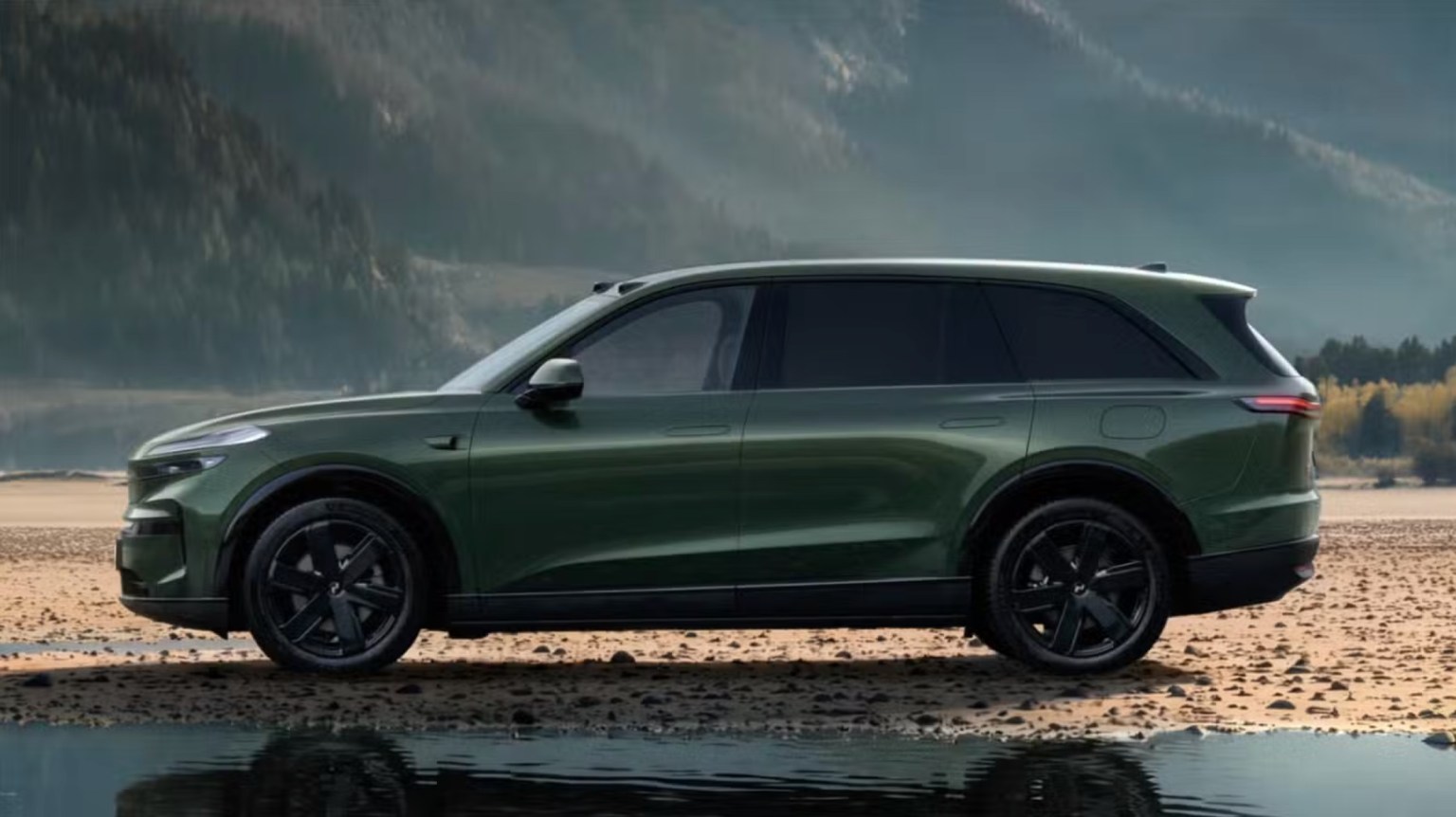
With dimensions of 5,145 mm in length and a 3,110 mm wheelbase, the L80 is significantly larger than the Model Y. Onvo said the vehicle offers up to 2,840 litres of cargo capacity with rear seats folded.
The rear-wheel-drive version delivers 340 kW of power and accelerates from 0 to 100 km/h in 5.9 seconds. An all-wheel-drive variant adds a front motor, bringing total output to 440 kW and reducing acceleration time to 4.7 seconds.
The L80 is expected to use an 85 kWh battery similar to the L90, with a range of around 600 kilometres under China’s CLTC cycle, although official figures have not yet been confirmed.
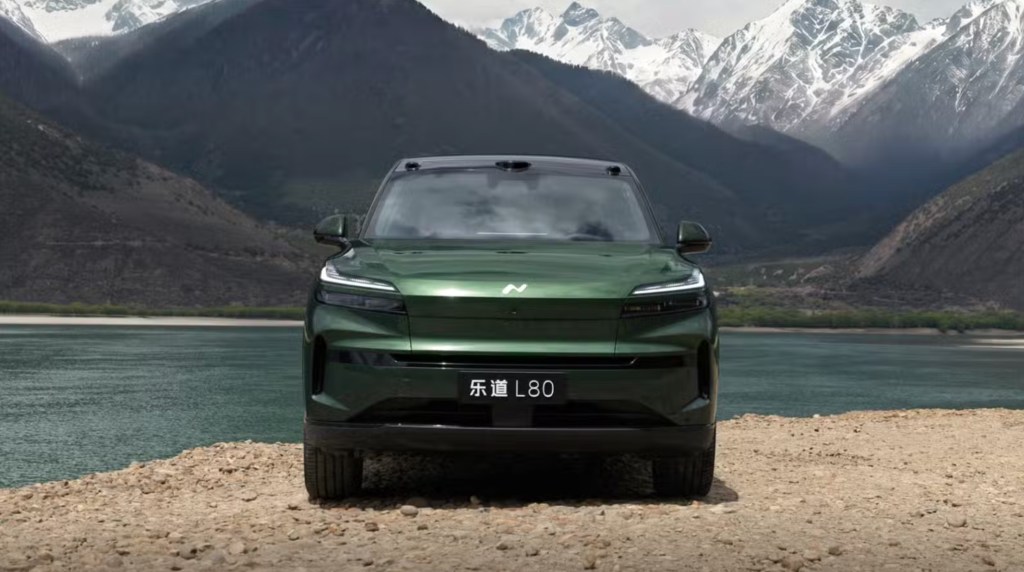
Like other Nio models, the vehicle supports battery swapping through the company’s network, enabling energy replenishment in under three minutes—an approach that differentiates it from most competitors.
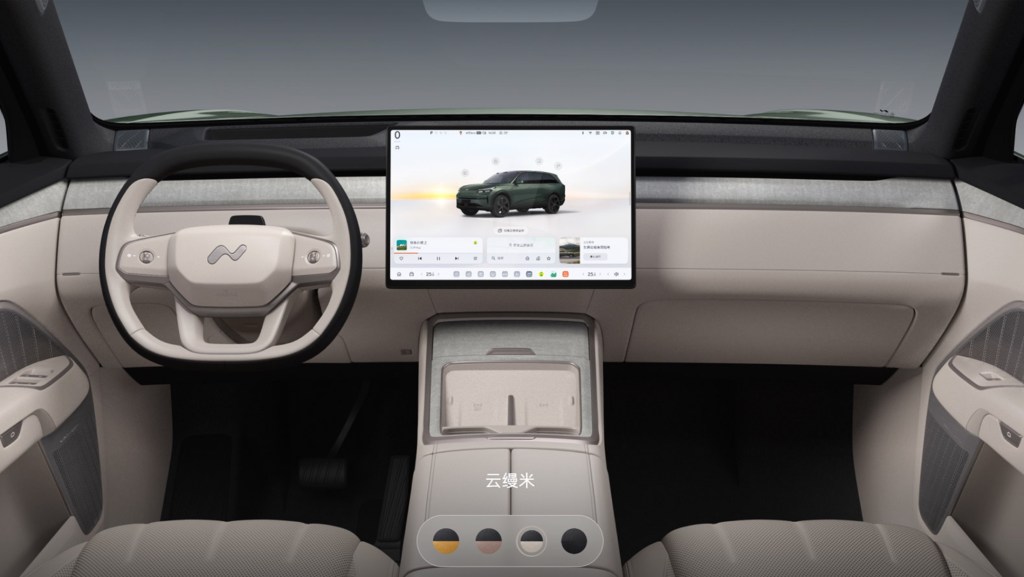
On the software side, the L80 offers two driver-assistance configurations. A higher-end version features LiDAR sensors and Nio’s in-house chip, while a lower-cost variant uses vision-based systems powered by Nvidia technology.
The pricing positions the L80 approximately 17,700 yuan below the Model Y in China, highlighting intensifying competition among domestic brands seeking to challenge Tesla’s dominance.
Despite its higher price, Tesla’s Model Y remains the top-selling electric vehicle in China, with 39,827 units sold in March 2026. However, local manufacturers are increasingly targeting its market share by offering larger vehicles, advanced features and lower pricing.