
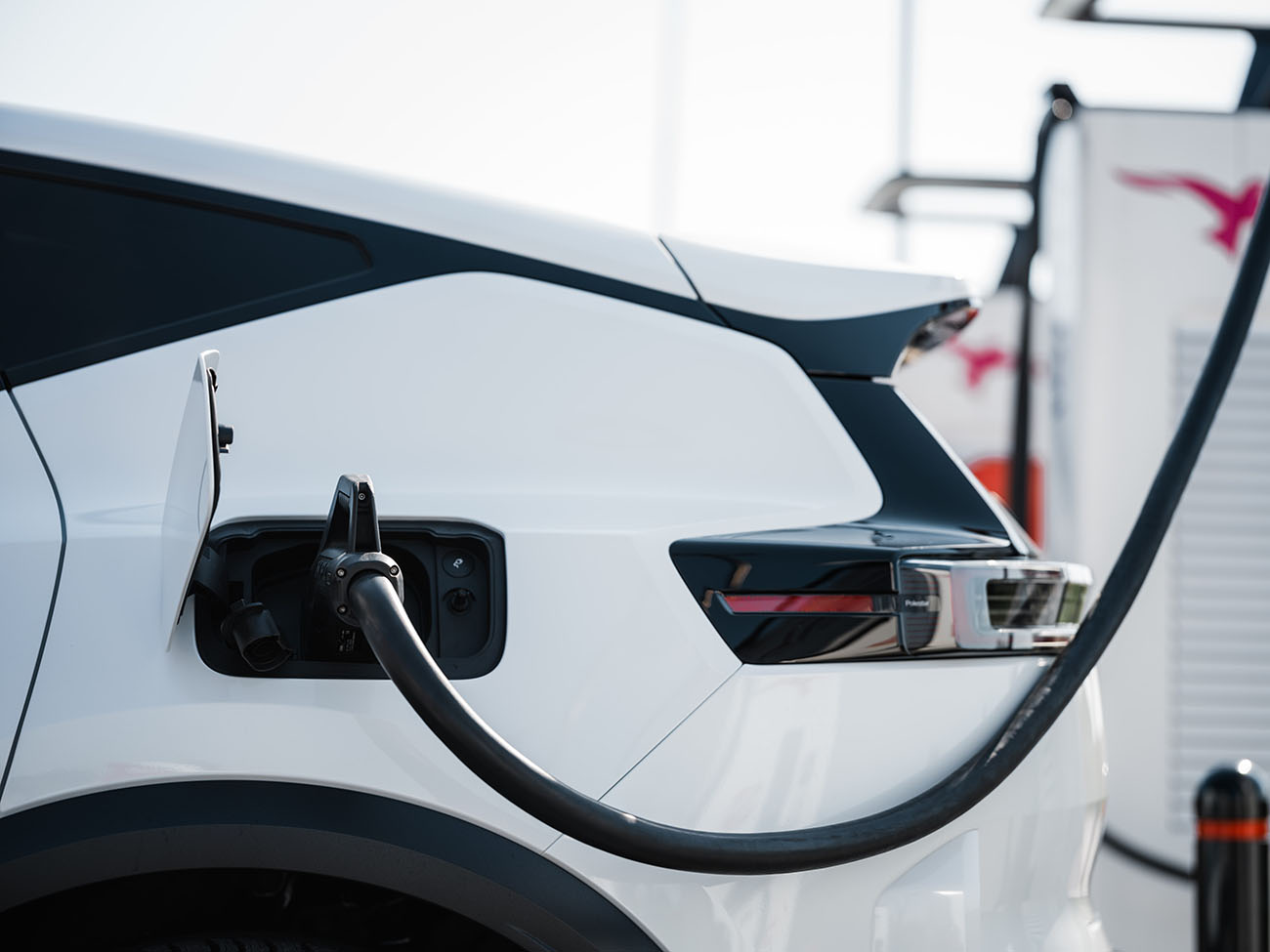
A study in the United Kingdom has found that a significant number of public electric vehicle charging stations may not accurately measure the electricity delivered to vehicles, raising questions about billing transparency for drivers.
Independent inspection provider EVCI Global said 31.5% of the public chargers it reviewed either overestimated or underestimated the amount of energy transferred during charging sessions. In about 15% of the cases, measurement errors exceeded five percent, while a small number showed what the company described as materially larger deviations.
The findings, first reported by The Telegraph, highlight differences between the regulatory standards governing EV charging equipment and those applied to conventional fuel pumps.
Fuel dispensers for petrol and diesel vehicles typically operate under strict statutory verification rules and must remain within a tolerance range of -0.5% to +1%. Public EV charging meters, by contrast, are generally permitted a margin of error of up to +2%.
EVCI Global said that despite this tolerance window, nearly one-third of the chargers examined still fell outside the permitted range.
Craig Marsden said the results underscore the need for clearer regulatory oversight of EV charging infrastructure.
“People with EVs need to know that they’re getting what they’re paying for, the same way that they do at petrol pumps,” Marsden said.
According to Marsden, one charger examined in the study delivered about 37% less electricity than the amount displayed on its screen. The report also found cases where chargers under-reported the energy supplied, meaning drivers were billed for less than the electricity received.
EVCI Global has submitted its findings to the UK Transport Select Committee and is urging the government to introduce a verification system for EV chargers similar to the framework used for fuel pumps.
The company argues that inaccurate charging measurements could disproportionately affect EV drivers who rely heavily on public infrastructure, particularly those without access to home charging facilities. A single charging session at a public station can exceed £70, while annual costs may approach £2,000.
Industry group ChargeUK said the report reflects isolated cases and noted that measuring electricity transfer is technically more complex than measuring liquid fuels.
A spokesperson for the UK Department for Transport told The Telegraph that public charge points are expected to accurately measure the electricity supplied and that most meters are regulated to maintain accuracy within a two percent margin.
The findings come as EV adoption continues to grow in the UK, with policymakers and industry groups seeking to expand charging infrastructure while maintaining consumer confidence in the technology.