
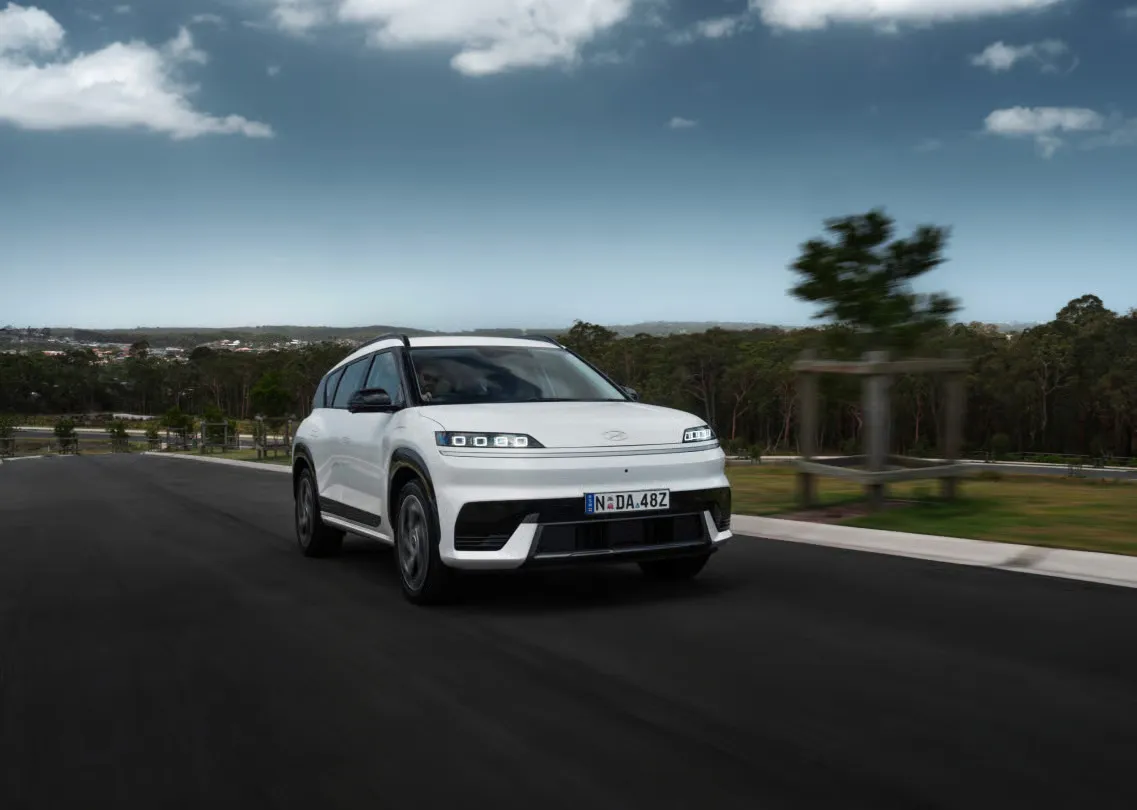
Hyundai has begun exporting its China-developed Elexio electric SUV to overseas markets, launching the model in Australia as it seeks to compete more directly with Tesla and Chinese EV makers such as BYD.
The Elexio is the first dedicated electric vehicle tailored specifically for the Chinese market by Hyundai’s joint venture with BAIC Motor, Beijing-Hyundai. Its overseas rollout mirrors a strategy used by sister brand Kia with the China-focused EV5, reflecting growing pressure from fast-expanding Chinese competitors.
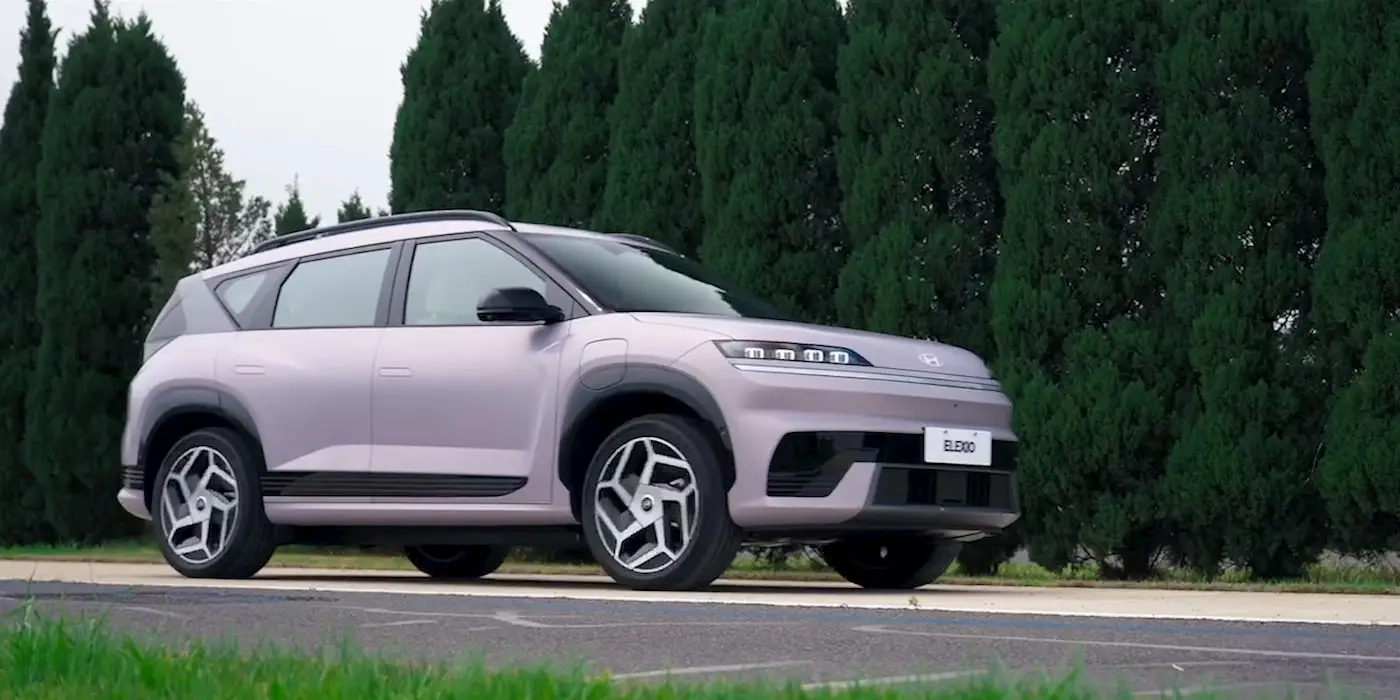
In Australia, the midsize SUV is offered initially in a single “Elite” trim priced from AUD 59,990 driveaway under an introductory offer. Hyundai said on-road costs will rise after April 1, increasing total pricing by roughly AUD 6,000 to AUD 9,200. A lower-priced standard trim is expected in the second quarter, starting from AUD 58,990 plus on-road costs.
At that level, the Elexio is priced almost identically to the Tesla Model Y in Australia, positioning it squarely within the highly competitive midsize electric SUV segment. Both available trims use a 400-volt version of Hyundai’s E-GMP platform with a single front-mounted electric motor producing 160 kW.
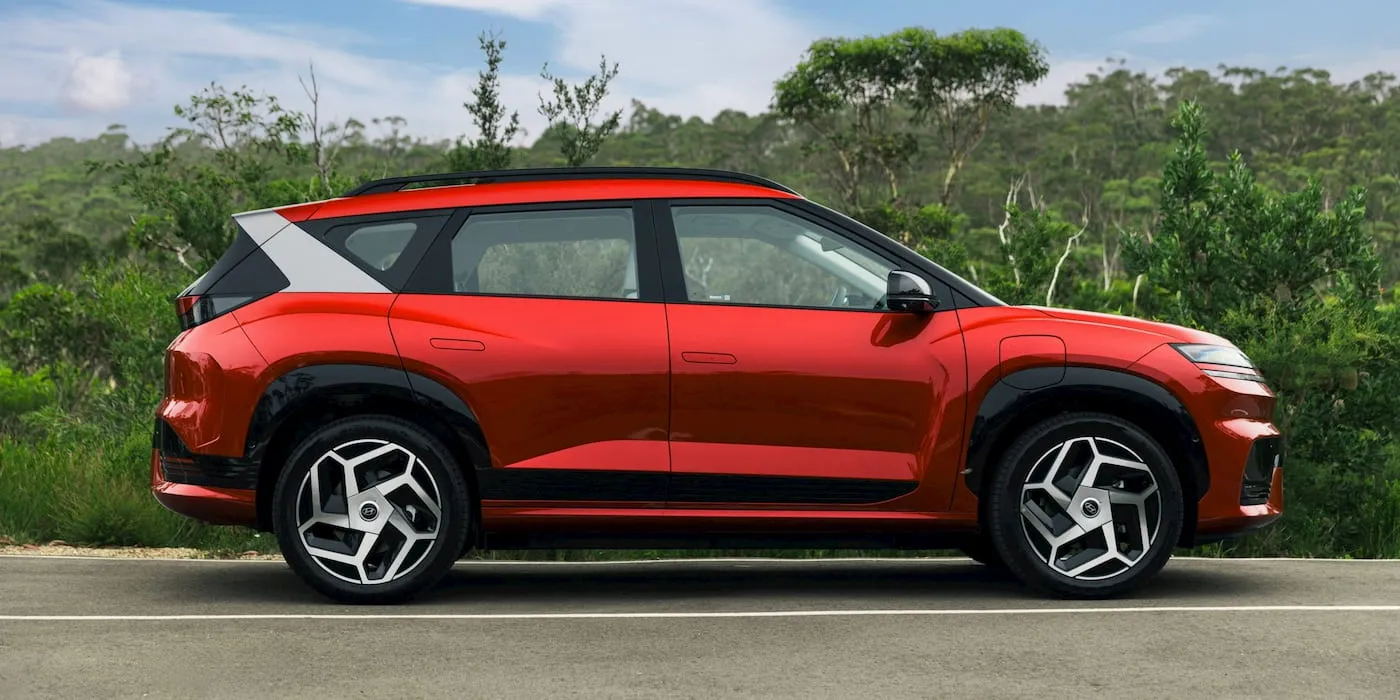
The vehicle is powered by an 88.1 kWh lithium iron phosphate battery, delivering a WLTP-rated range of up to 562 km for the standard version and 546 km for the Elite trim. By comparison, the rear-wheel-drive Model Y Premium variant offers up to 466 km of WLTP range.
Hyundai said the Elexio can charge from 10% to 80% in about 38 minutes using a 150 kW DC fast charger. Inside, the model features a distinctive design for the brand, including a wide 27-inch dashboard display and a separate instrument cluster.
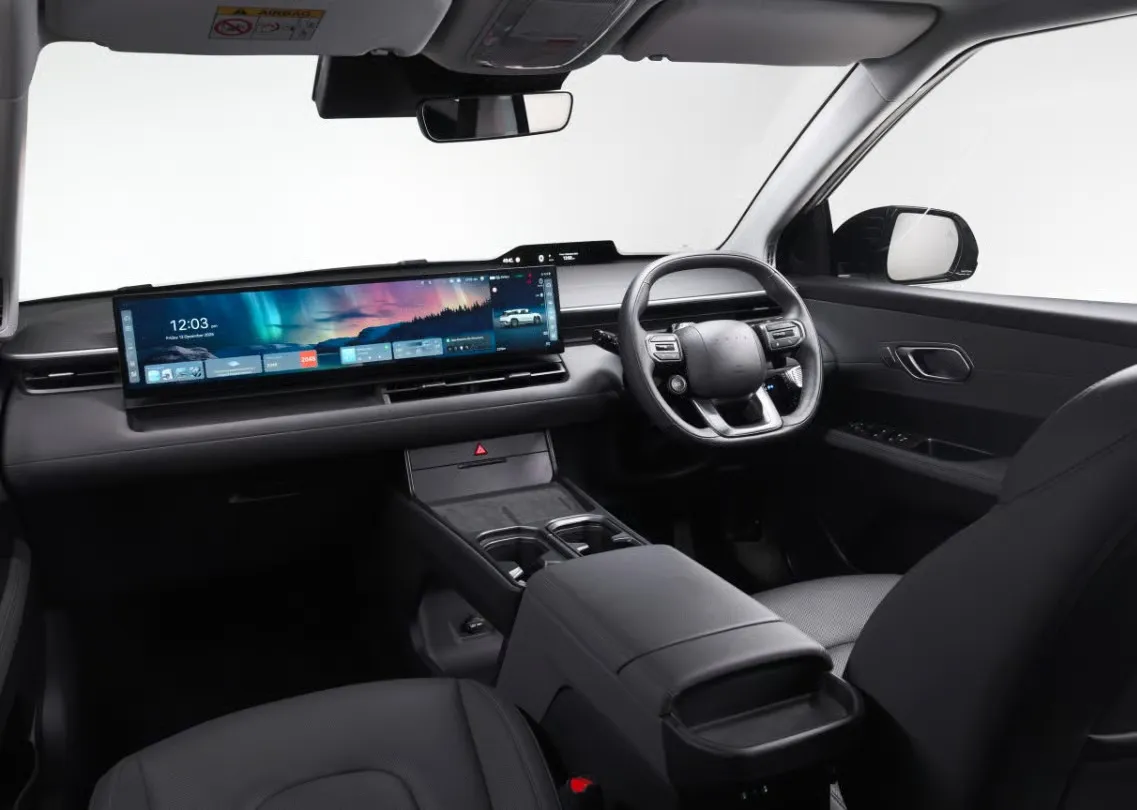
Additional features on the Elite trim include heated and ventilated front seats, a heated steering wheel, wireless charging pads and a powered tailgate.
Australia has become a key battleground for electric vehicles, with Chinese brands rapidly gaining share. The BYD Sealion 7 was the country’s top-selling EV last month, while Tesla’s Model Y ranked sixth and Kia’s EV5 seventh, highlighting the intense competition Hyundai faces with its new entrant.