
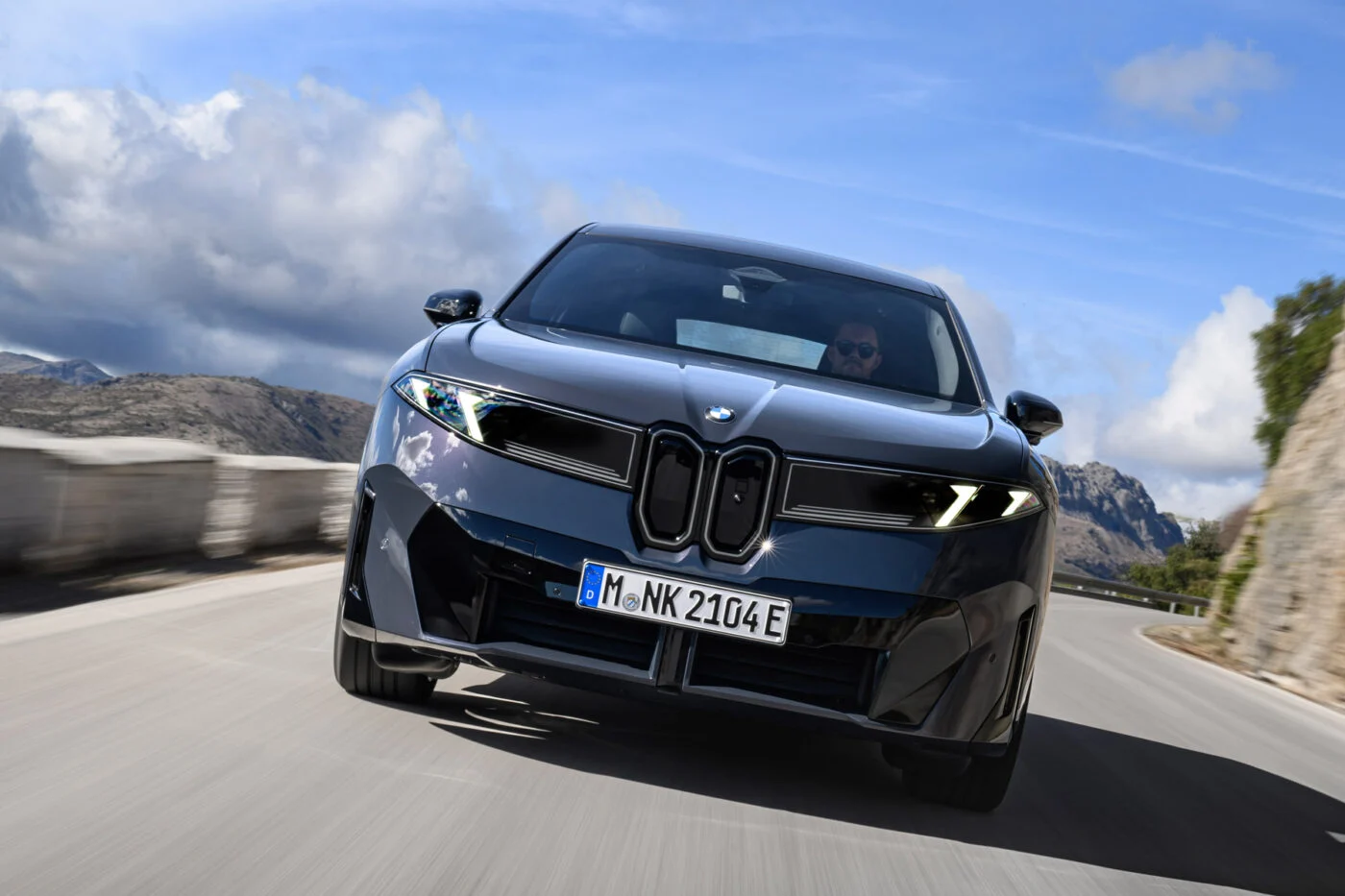
BMW will begin test drives of the new iX3 on March 7, marking the first market introduction of its Neue Klasse generation of vehicles, with chipmaker Infineon supplying key components for the model’s electrical and electronic architecture.
BMW board member for development Joachim Post described the Neue Klasse as the “beginning of a new era,” as the automaker prepares for initial customer deliveries following dealership availability. The new platform is designed around software-defined vehicle principles, emphasizing centralized computing, digital services and improved energy efficiency.
Infineon said it plays a central role in the vehicle’s architecture by providing technologies for computing performance, energy management and data connectivity. The iX3 uses Infineon microcontrollers in the vehicle’s primary control system, known as the “Heart of Joy,” which manages the powertrain and driving dynamics. The system is based on the latest-generation Aurix TC4D microcontroller and is connected to other vehicle systems via high-speed Ethernet using Infineon’s Brightlane products.
The Neue Klasse platform also includes three additional high-performance computers responsible for automated driving, infotainment and core vehicle functions. These central units are supported by three zone control units, all based on Infineon microcontrollers, reflecting a shift toward fewer but more powerful computing nodes in modern vehicle design.
“We are proud to collaborate with BMW Group to shape the future of mobility,” Infineon Chief Executive Jochen Hanebeck said. “BMW Group’s Neue Klasse marks a significant step in introducing software-defined vehicles to the market and elevates individual mobility to the next level in terms of decarbonization and digitalization.”
Infineon technology also supports the vehicle’s data network and electrical system. The company said the iX3’s wiring harness is about 600 meters shorter than in previous generations—roughly 30% lighter—while intelligent electronic fuses replace as many as 150 traditional fuses. These software-controlled components dynamically manage power distribution, switching off non-essential systems during charging, parking or updates to improve efficiency. Infineon estimates the approach could enhance energy efficiency by about 20%.
Separately, the semiconductor manufacturer indicated it plans to expand the application of its automotive chips into humanoid robotics, noting that technologies developed for automated driving can also be used in robotic systems, according to comments by Hanebeck in an interview with Handelsblatt.