
Researchers at Germany’s Federal Institute for Materials Research and Testing (BAM) have developed a new anode design that could significantly improve the efficiency and storage capacity of sodium-ion batteries, a technology widely viewed as a lower-cost and more sustainable alternative to lithium-ion cells.
Sodium-ion batteries have long been constrained by high energy losses during their first charging cycle, known as formation. During this step, reactions between the electrolyte and the anode create a protective boundary layer that is essential for long-term operation but consumes a large share of sodium ions, sharply reducing usable capacity.
See also: Accurec Opens New Lithium Recovery Facility in Germany to Boost EU Battery Recycling
BAM said the challenge is particularly acute because sodium-ion batteries rely on so-called hard carbon anodes rather than graphite, which is commonly used in lithium-ion cells. While graphite enables relatively efficient formation, sodium cannot be stored in that material, forcing developers to use porous carbons that are more prone to early losses.
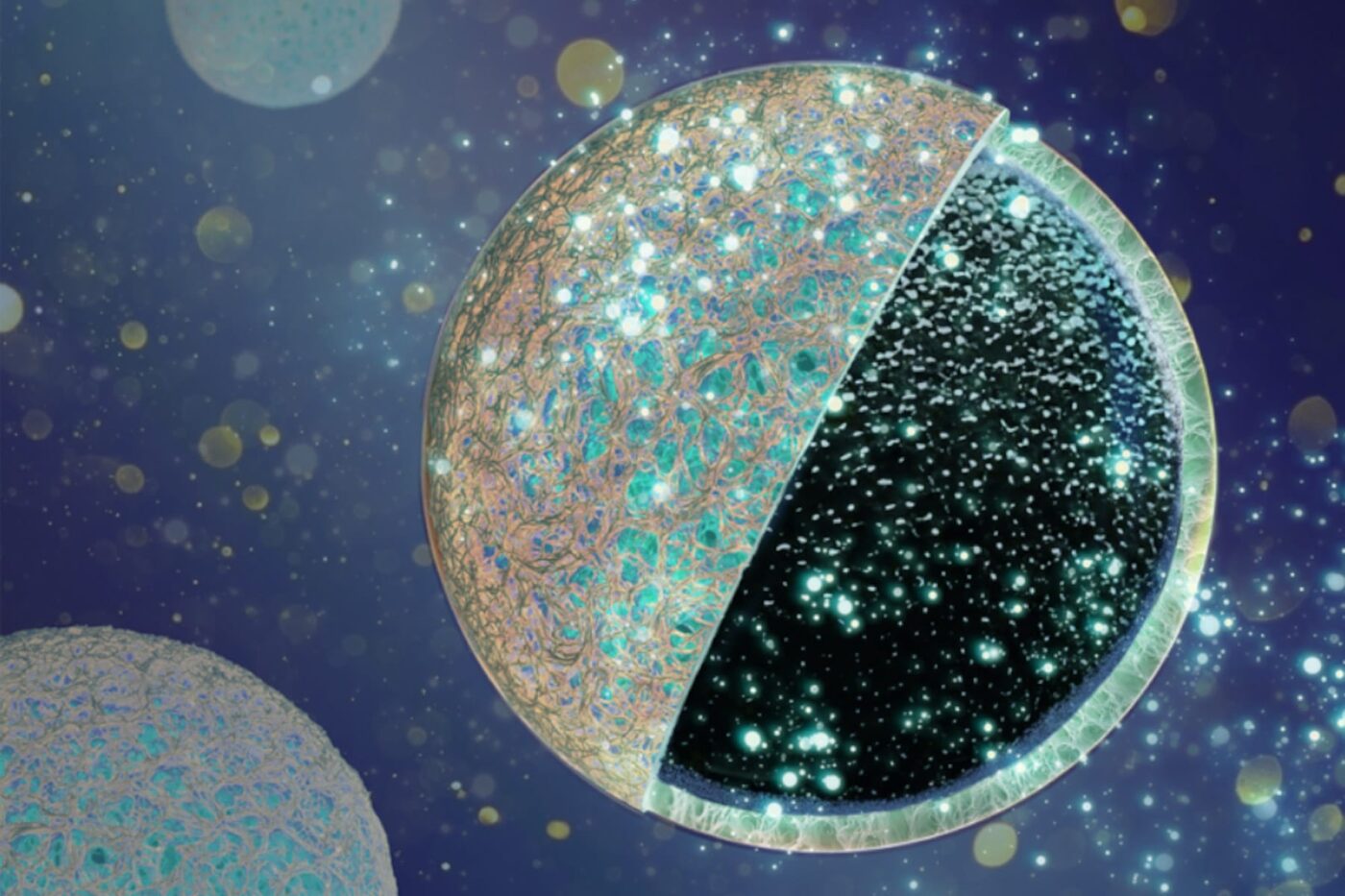
To address the issue, BAM researchers designed a new “core-shell” anode structure. The approach combines a porous, sponge-like carbon core that provides high storage capacity with an ultra-thin outer coating that limits unwanted reactions with the electrolyte. The coating allows sodium ions to pass through while blocking larger electrolyte molecules that would otherwise degrade performance.
“We realised that large storage capacities and efficient film formation cannot be achieved with sodium-ion batteries using a single material,” said Tim-Patrick Fellinger, an energy materials expert at BAM. He added that the new design separates the functions of ion storage and protection, preserving capacity while stabilising the anode surface.
In laboratory tests, the coated anode achieved an initial efficiency of 82%, compared with around 18% for uncoated hard carbon anodes, BAM said. The institute added that the material is based on activated carbon, which is widely available and inexpensive, potentially improving the economic viability of sodium-ion batteries.
See also: CATL to Double Battery Testing Capacity in Germany by 2026
Further development of the technology will take place at the Berlin Battery Lab, a joint initiative involving BAM, the Helmholtz-Zentrum Berlin and Humboldt University of Berlin. Researchers said the work highlights the untapped potential of anode materials, even as cathode technologies approach theoretical performance limits.