
Electric vehicle sales in the United States fell 2% in 2025 to 1.28 million units, as a sharp decline in the final quarter followed the expiration of a nationwide federal tax credit, according to data released by Kelley Blue Book.
Sales dropped to 1,275,714 battery-electric vehicles for the full year, down from 1,301,441 units in 2024. The downturn was concentrated in the fourth quarter, when EV sales fell 36% year on year to 234,171 units — the first full quarter after the tax credit ended at the end of September.
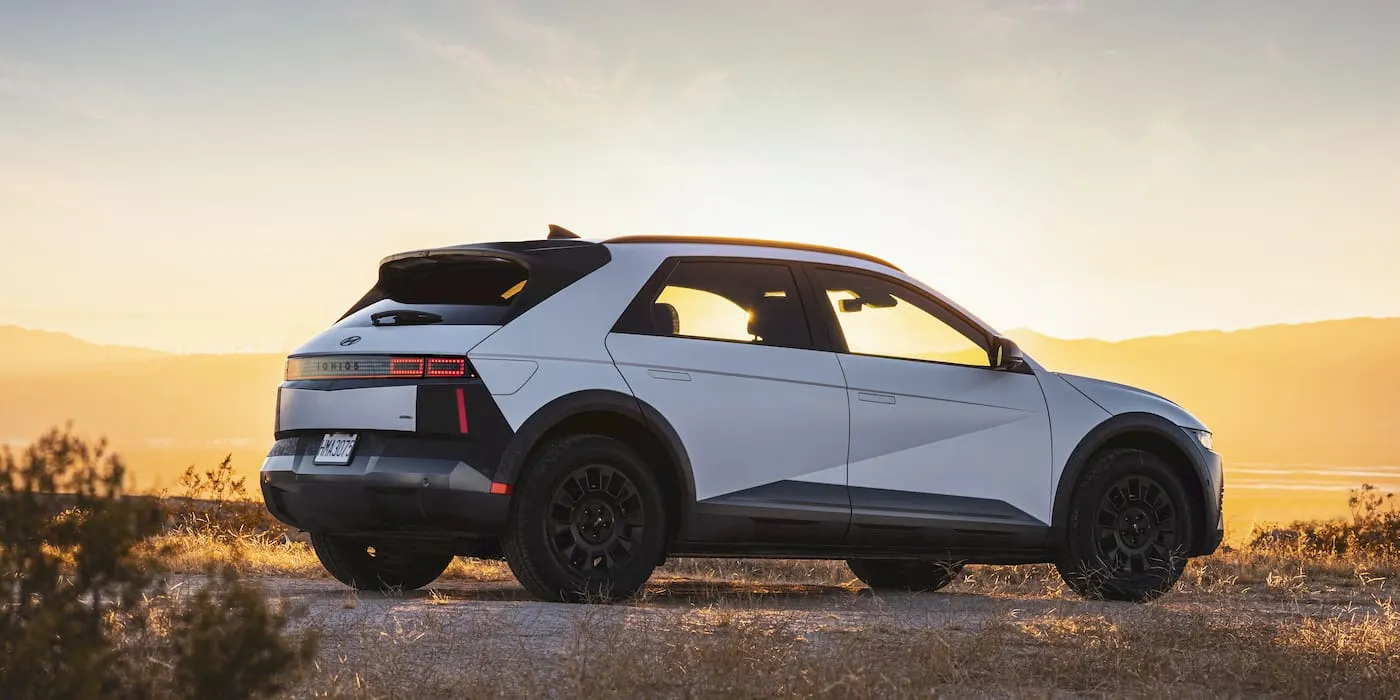
See also: Hyundai U.S. EV Sales Rise 7% in 2025 as Retail Deliveries Hit Record 772,712
The relatively modest annual decline masked significant volatility within the year. Sales in the first three quarters remained broadly stable, supported by a surge in advance purchases ahead of the incentive deadline. September proved particularly strong, with several automakers posting record monthly EV sales as buyers moved quickly to secure the subsidy.
Despite efforts by manufacturers and dealers to cushion the impact through incentives and inventory management, EV demand weakened sharply in the final quarter. Kelley Blue Book data show fourth-quarter sales fell from 365,830 units in 2024 to 234,171 in 2025.
See also: Kia Delivers Record 852,155 Vehicles in U.S., EV Sales Down More Than 30%
Fuel cell electric vehicles also saw steep declines, though from a much smaller base. Toyota sold 210 Mirai fuel cell vehicles in 2025, down 57.9% from 499 units a year earlier. Hyundai’s first-generation Nexo recorded just six sales, compared with 94 in 2024.
Several brands experienced pronounced fourth-quarter declines in battery-electric sales. Acura’s EV deliveries fell 97.9% to 90 units, while Honda’s dropped 86% to 2,641 vehicles. Nissan saw a 93.2% decline to 577 units, reflecting what analysts described as strategic pullbacks or model transitions following the incentive phase-out.
See also: Volkswagen U.S. EV Sales Rise in 2025 as Combustion Models Decline
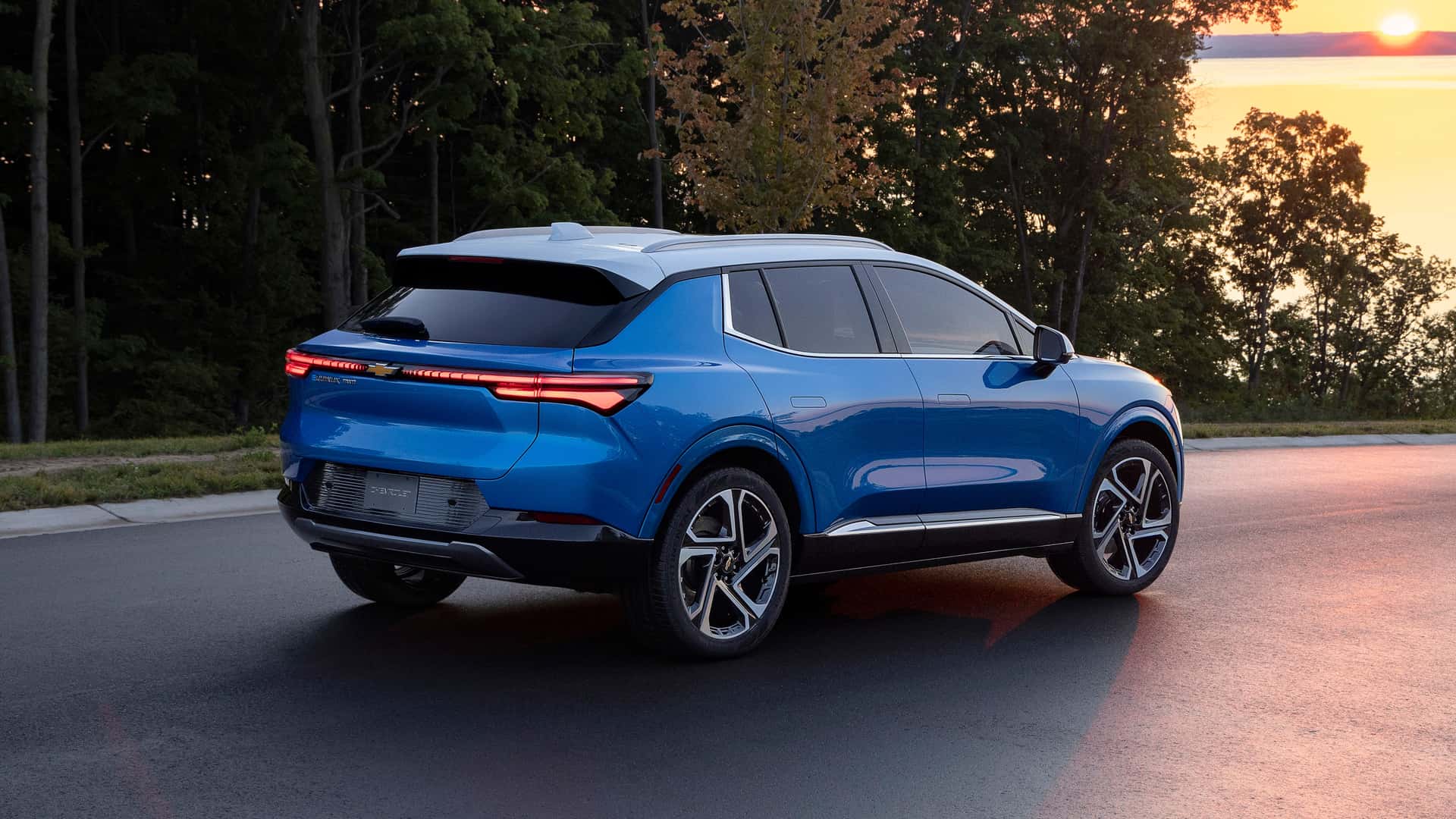
Among U.S. automakers, Ford reported a 51.9% drop in EV sales in the fourth quarter and a 14.1% decline for the full year. General Motors brands performed more unevenly. Chevrolet’s fourth-quarter sales fell 65.8% to 9,814 units, but full-year deliveries rose 39.3% to 96,951 vehicles, narrowly missing the 100,000 mark. Cadillac posted annual growth of 69.1%, while GMC’s EV sales increased 50.7%.
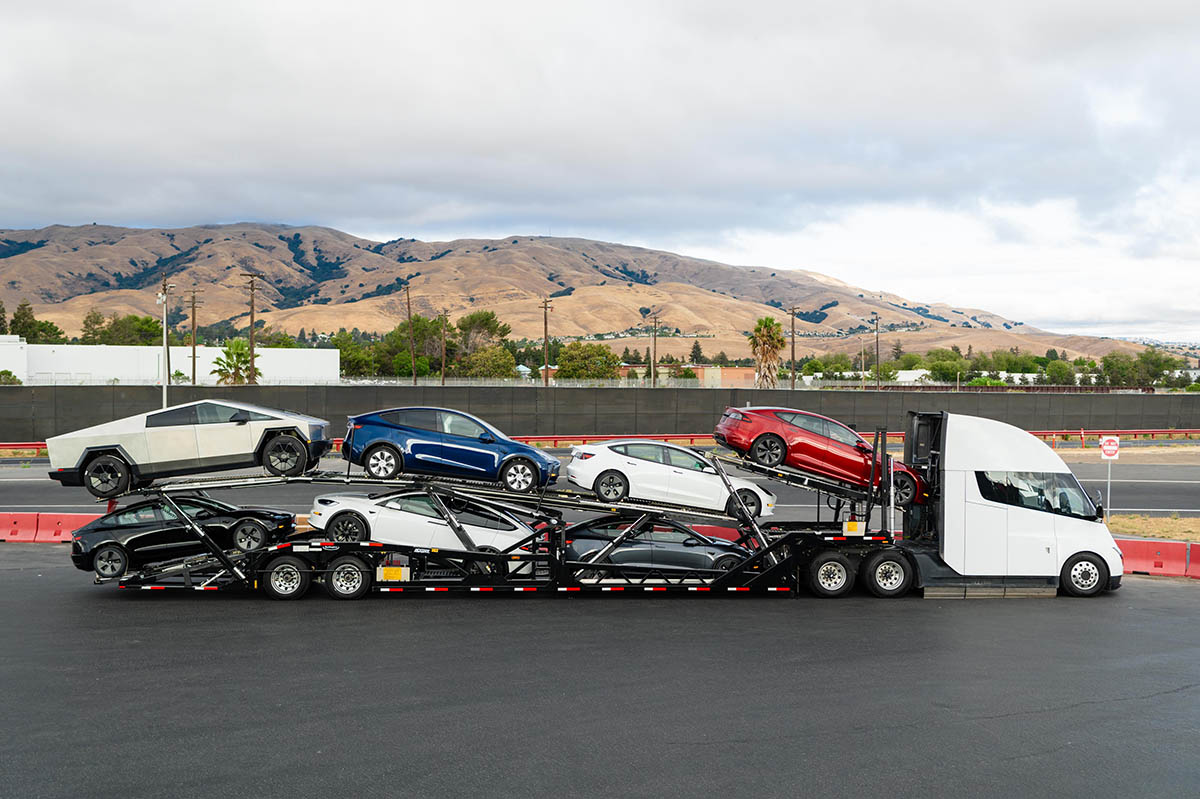
Tesla remained the dominant EV brand in the U.S. despite weaker demand late in the year. The company sold 589,160 vehicles in 2025, down from 633,762 in 2024, but retained a 46.2% market share. In the fourth quarter, Tesla sales declined 15% year on year, though it still delivered around 138,000 vehicles — far ahead of competitors. Only Ford and Cadillac achieved five-digit EV sales in the quarter.
See also: GM EV Sales Fell 43% in Fourth Quarter After U.S. Tax Credit Expired
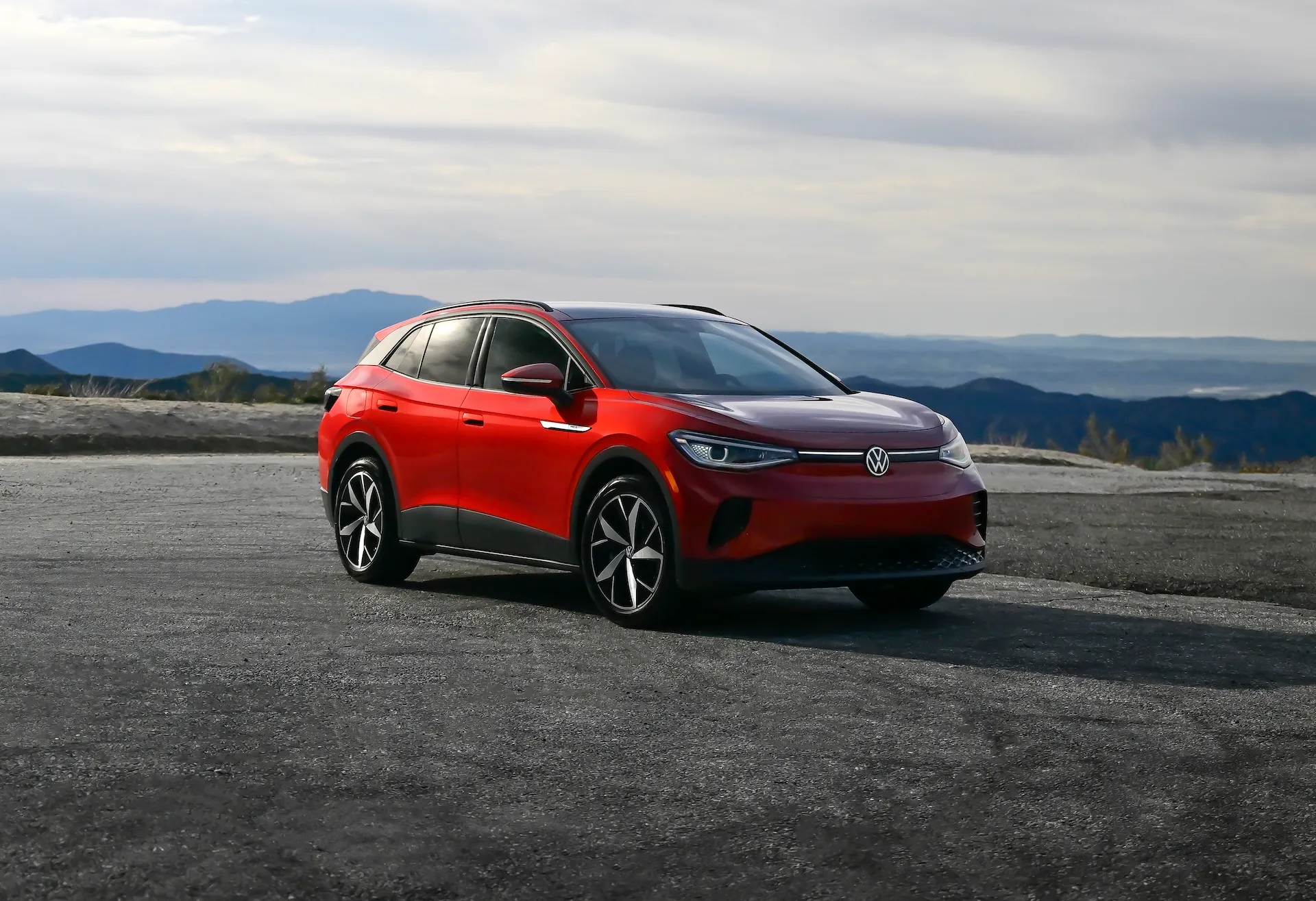
German automakers delivered mixed results. Mercedes-Benz recorded a 54% decline in U.S. EV sales in 2025 to 12,942 units. Porsche outperformed within the Stuttgart group, with EV sales rising 117.5% to 14,107 vehicles, driven by the electric Macan. BMW sales fell 16.7% to 42,483 units, while Audi increased deliveries by 30.5% to 30,214 vehicles, despite a 91.1% drop in the fourth quarter. Volkswagen brand EV sales declined 19.6% in Q4 but rose 56.8% for the full year to 28,513 units.
The data underline the sensitivity of U.S. EV demand to policy support, with analysts expecting near-term volatility to persist as automakers adjust pricing, model availability and sales strategies in the post-incentive environment.