
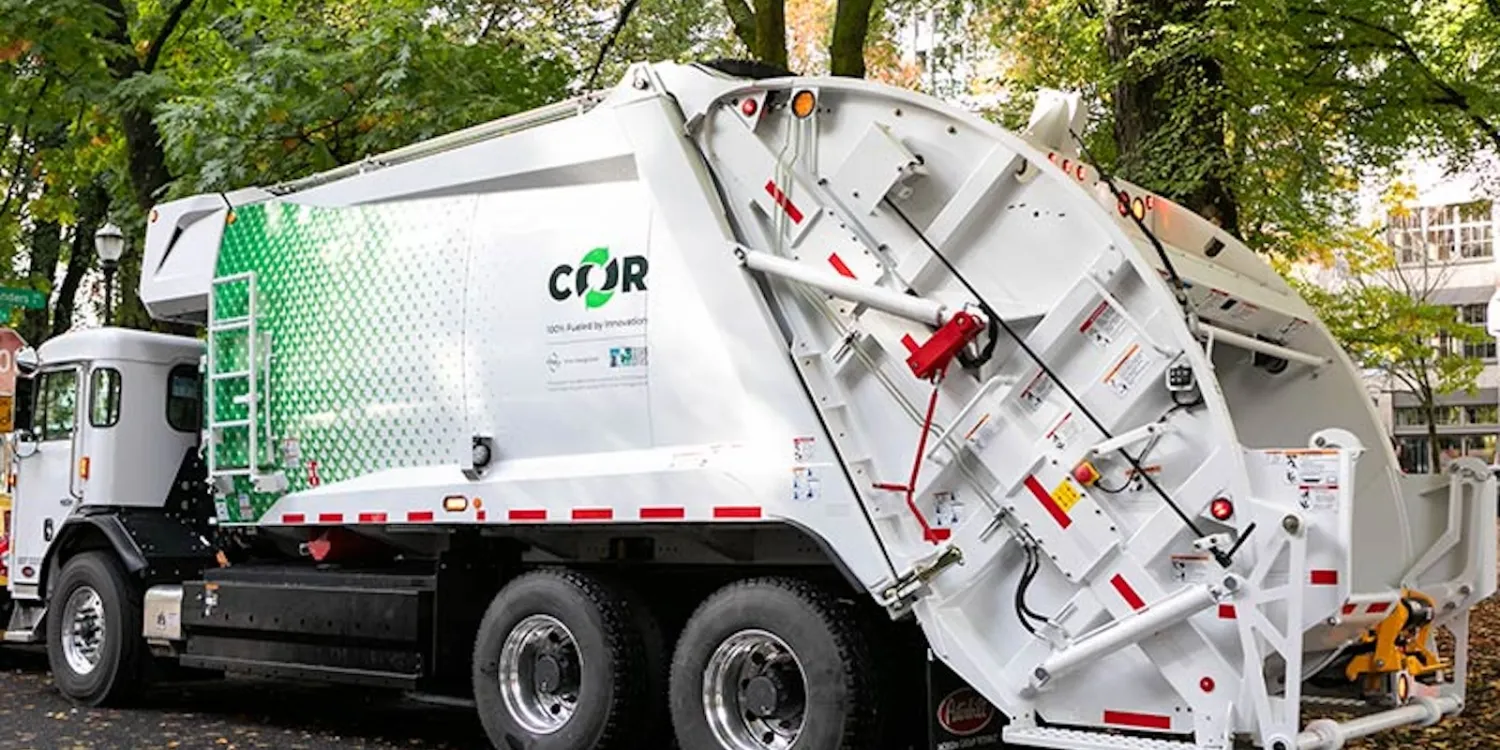
Oregon has introduced a new state-level incentive program offering rebates of up to $120,000 per vehicle to support the electrification of business and public-sector fleets, stepping in after the federal Qualified Commercial Clean Vehicle Credit under Section 45W was discontinued.
The Oregon Department of Environmental Quality (DEQ) said it has launched the Zero-Emissions Rebates for Oregon Fleets Program to help offset the higher upfront costs of battery-electric vehicles compared with conventional gasoline or diesel models. The program provides rebates across light-, medium- and heavy-duty vehicle categories, with total funding capped at $17 million.
See also: XCharge North America Deploys Oregon’s First Solar-Plus-Storage DC Fast-Charging Station
“We’ve priced the rebates to bring those prices of the new zero-emission vehicles closer to a price point that their gas or diesel counterpart might be at,” said Dalton Sheppard, DEQ’s medium- and heavy-duty electric vehicle rebate coordinator. He said rebate amounts increase with vehicle weight class to reflect the widening cost gap at higher weights.
Transportation is Oregon’s largest source of greenhouse gas emissions, accounting for more than one-third of the state’s total, according to the DEQ. Medium- and heavy-duty vehicles represent a smaller share of vehicles on the road but are responsible for roughly half of on-road emissions, making them a key focus of the new program.
State officials said early feedback from fleet operators has been positive, with some delaying purchases until the incentives became available. “They have been waiting until the rebate program opens to make those vehicles more appropriate for their business needs,” Sheppard said.
Under the program, applicants may receive rebates for up to five vehicles per calendar year, with the highest incentive level reserved for heavy-duty electric vehicles. The DEQ said the initiative is intended not only to reduce emissions but also to improve local air quality, particularly in communities most affected by freight and commercial vehicle traffic.