
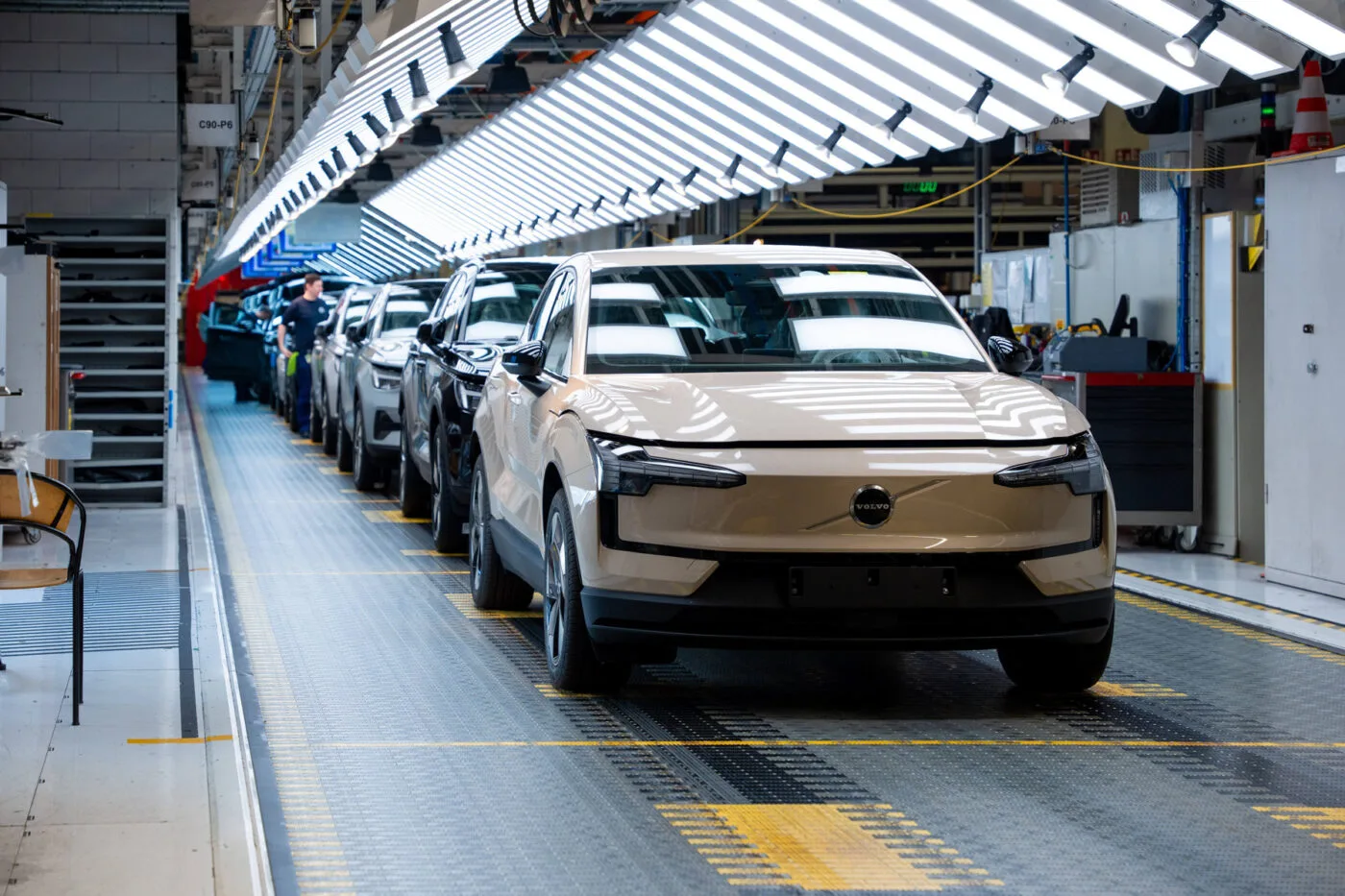
Volvo Cars is advising owners of certain right-hand-drive versions of its EX30 electric SUV to avoid charging their vehicles beyond 70% of battery capacity, as the automaker prepares a recall to address a potential battery overheating risk.
The guidance applies only to a specific battery configuration used in right-hand-drive EX30 models sold from 2024 onward. Volvo said the issue affects the 69 kWh nickel-manganese-cobalt (NMC) battery used in the Single Motor Extended Range and Twin Motor Performance variants, while the base version equipped with a 49 kWh lithium iron phosphate (LFP) battery is not impacted.
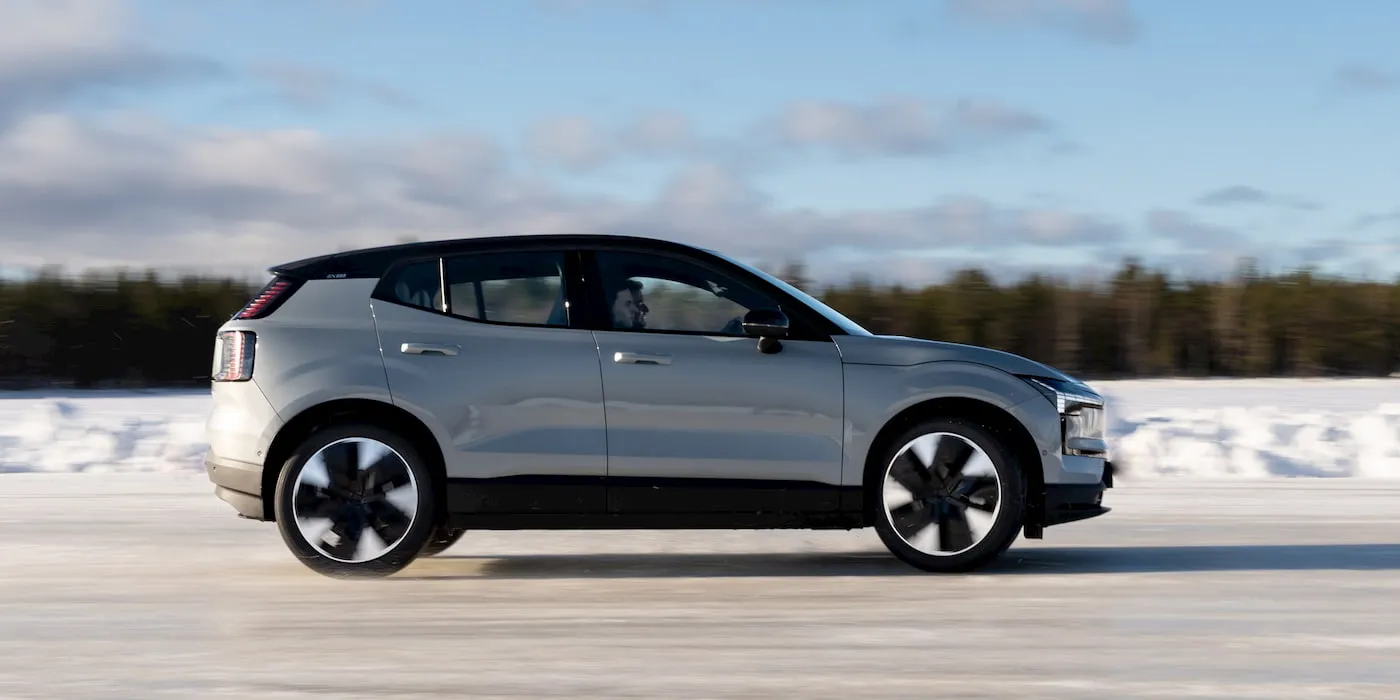
“Safety is Volvo Cars’ top priority,” Volvo UK said in a statement. “Although the number of reported incidents is very low—accounting for around 0.02% of the vehicles we have identified as potentially affected—and we have received no reports of related personal injuries, we are taking this matter extremely seriously.”
The company said the risk of overheating increases when the battery is charged to a high state of charge, adding that keeping the battery below 70% “significantly reduces” the likelihood of the rare issue occurring. In a worst-case scenario, overheating could lead to a battery fire, Volvo said.
The recall is expected to cover 33,777 vehicles globally, primarily in the UK, with a small number of cars in other right-hand-drive markets. Based on Volvo’s data, around seven vehicles have experienced incidents linked to the issue.
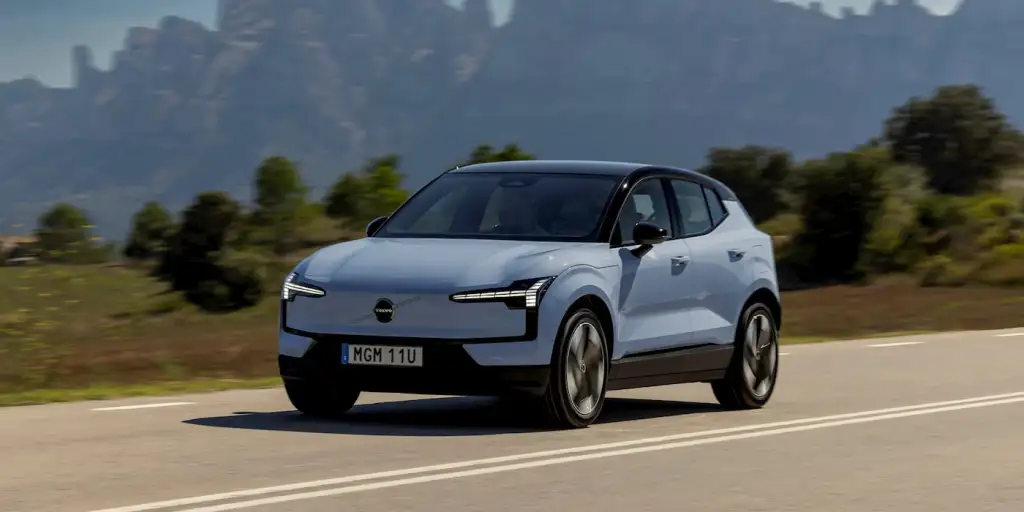
A spokesperson for Volvo Germany said left-hand-drive versions sold in markets such as Germany are not affected, even though they also use a 69 kWh battery, because the technical specifications differ from those in right-hand-drive vehicles.
Volvo said affected customers will be contacted again once a technical solution is ready and that corrective work will be carried out as quickly as possible. The company has not yet detailed what components will be inspected or replaced as part of the recall.
The EX30, Volvo’s smallest fully electric model, was introduced in 2023 and entered European deliveries in early 2024. Initial production took place in China, with additional manufacturing starting in 2025 at Volvo’s plant in Ghent, Belgium. The model is built on Geely’s SEA2 platform, which is also used by other vehicles that are not affected by this issue due to different battery designs.