
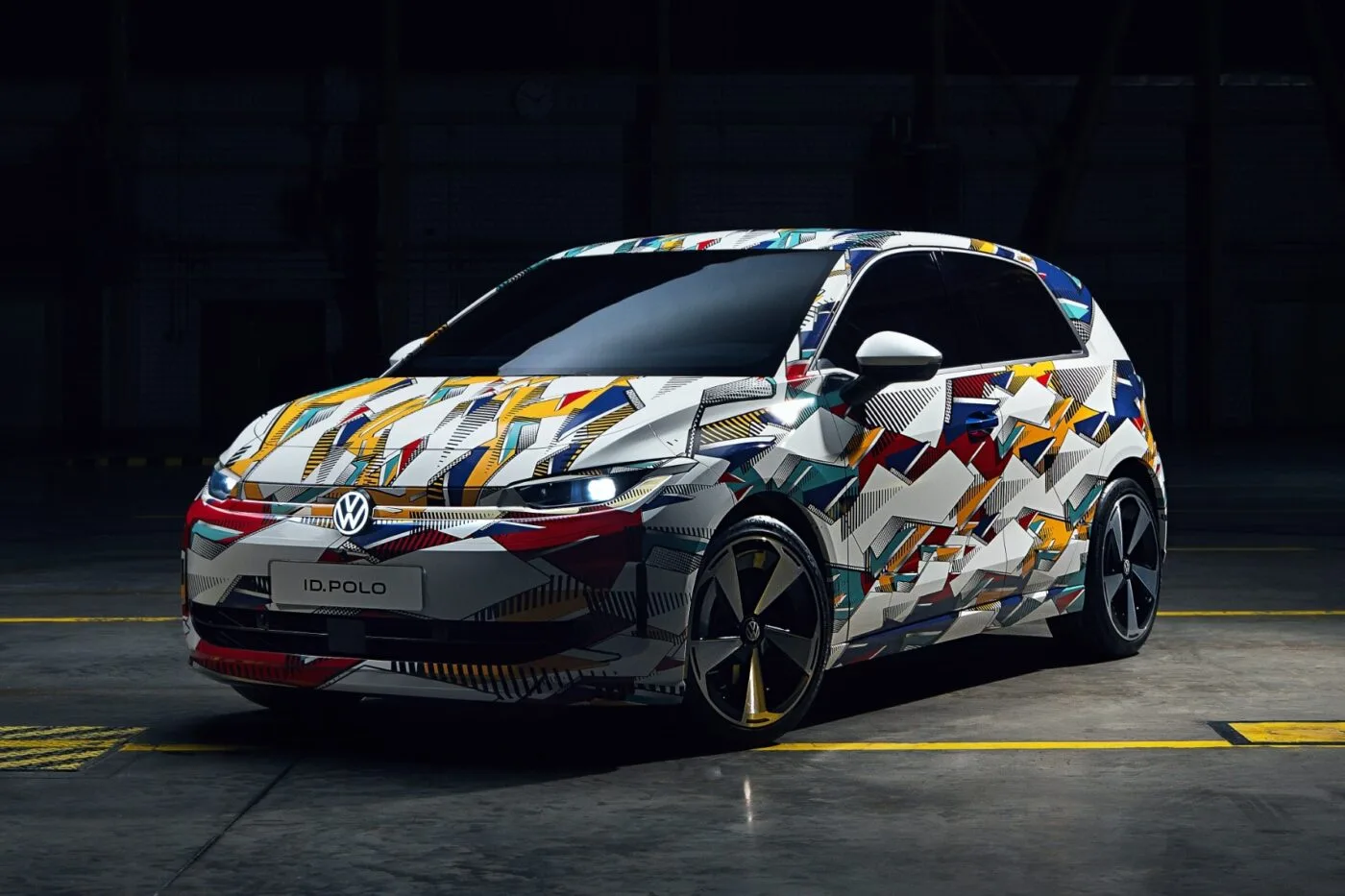
Volkswagen’s plan to introduce a mass-market electric vehicle priced around €25,000 ($29,400) may face an early setback, as the company is expected to initially offer only higher-priced versions of the upcoming ID.Polo when orders open in 2026, according to a report by Germany’s Handelsblatt.
The ID.Polo, positioned as a key model in Volkswagen’s push to broaden access to electric mobility, is scheduled to begin taking orders in April 2026. However, dealer sources cited by Handelsblatt said the initial production run will be limited to a higher-spec version equipped with a 52 kWh battery and a more powerful 208-horsepower drivetrain. That configuration is expected to carry a price closer to €30,000, depending on options and local taxes.
See also: Volkswagen Unveils Early Details Of ID.Polo As It Prepares Affordable EV Push
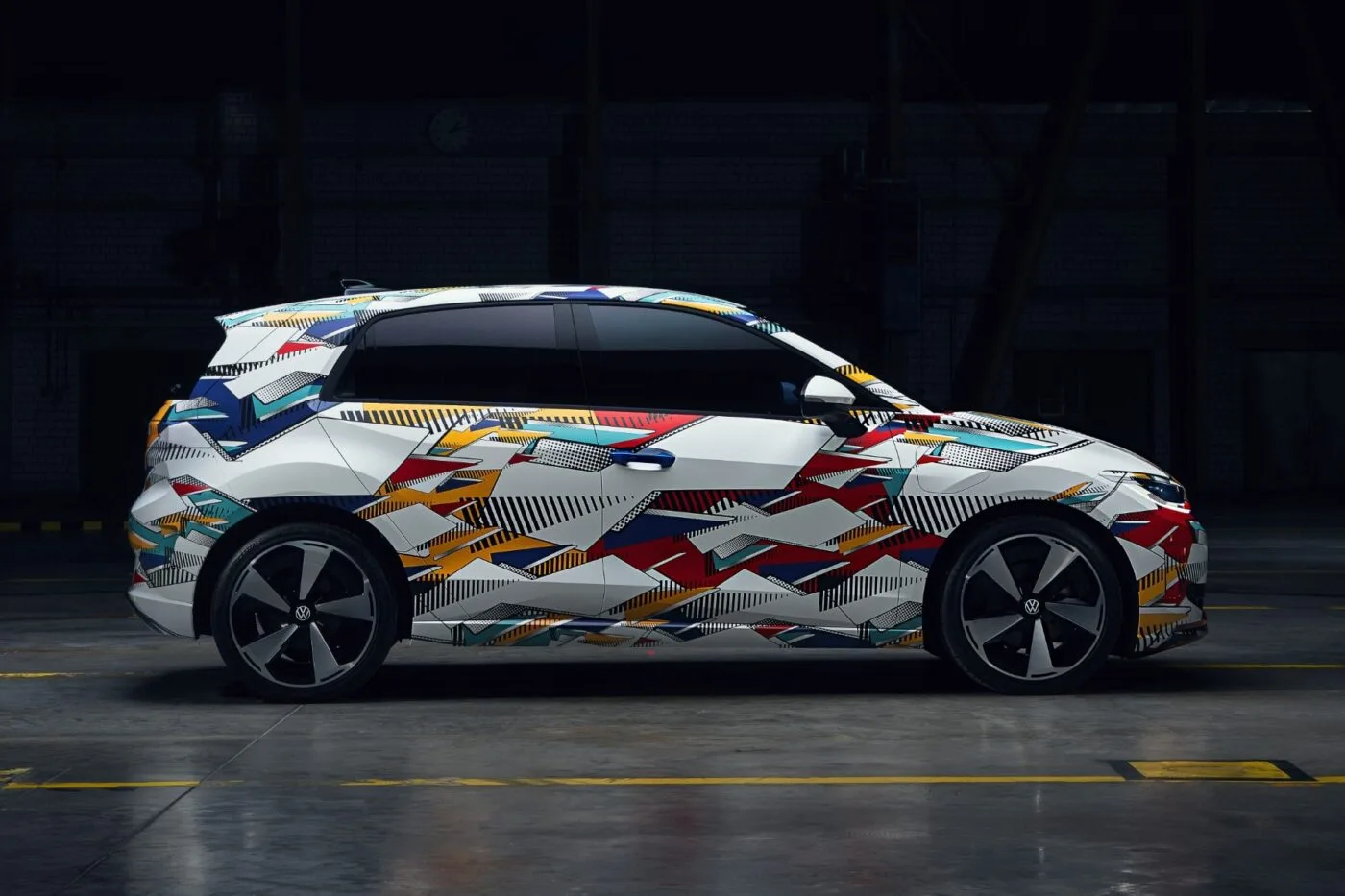
The more affordable versions — including a base model with a 37 kWh battery and a lower-output motor — are not expected to be available at launch. According to the report, the delay is linked to supply constraints for the smaller battery packs, rather than a change in Volkswagen’s pricing strategy. The entry-level variant is seen as essential to meeting the brand’s long-promised €25,000 price point.
Volkswagen has indicated that the lower-cost versions will follow after the initial launch, but dealers told Handelsblatt that the wait could stretch from several months to as long as nine months. The timing remains uncertain and could affect consumer expectations, as the ID.Polo has been positioned as a cornerstone of Volkswagen’s effort to make electric mobility more accessible.
See also: Volkswagen to Replace EV Numbering with Classic Model Names, Starting with ID. Polo
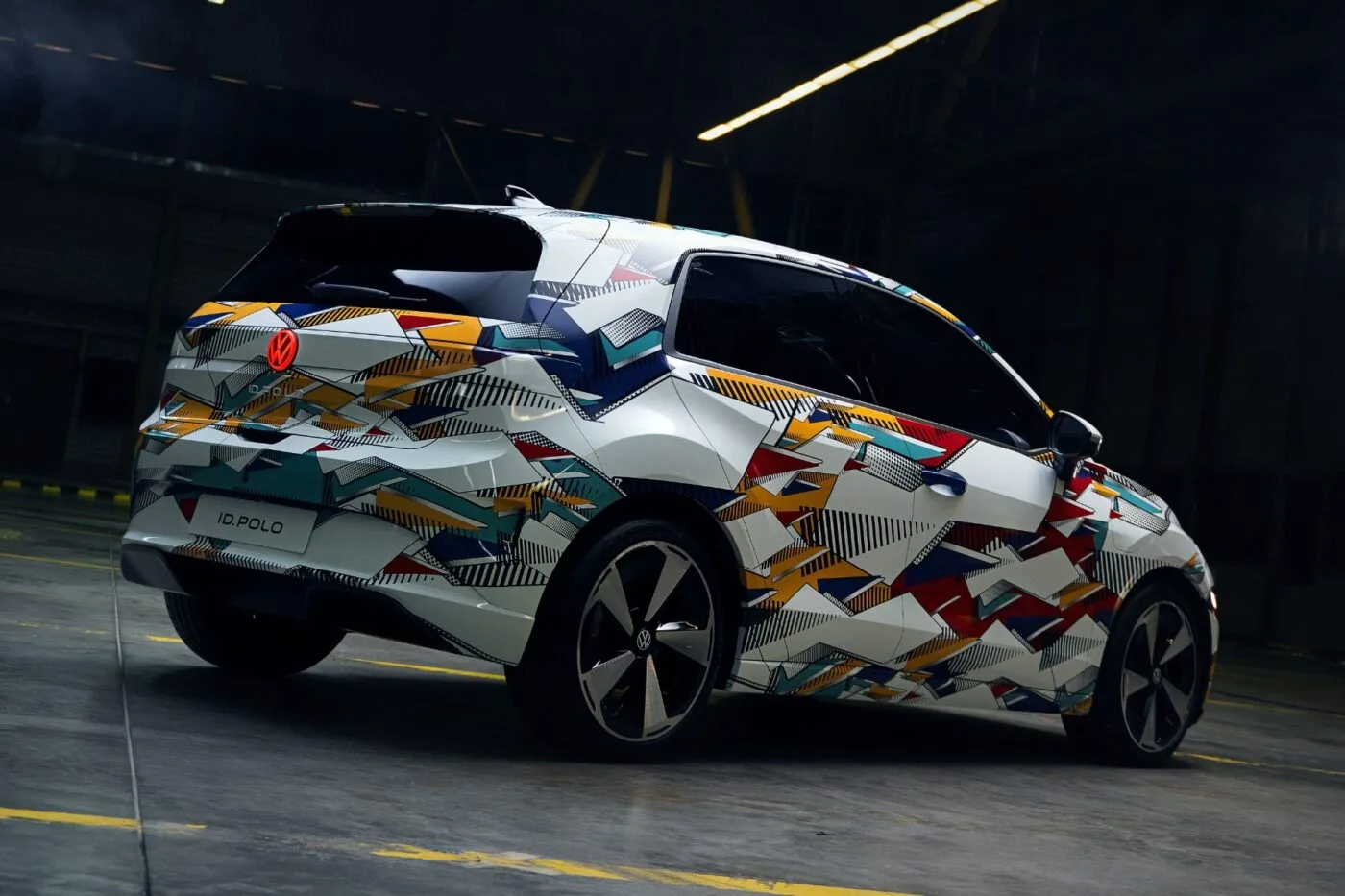
While launching higher-margin variants first is a common industry practice, the delay risks diluting the impact of the ID.Polo’s affordability message. The model has been promoted as a symbolic step toward mass-market electrification, and the absence of its lowest-priced version at launch could test consumer patience as competition in the compact EV segment intensifies.