
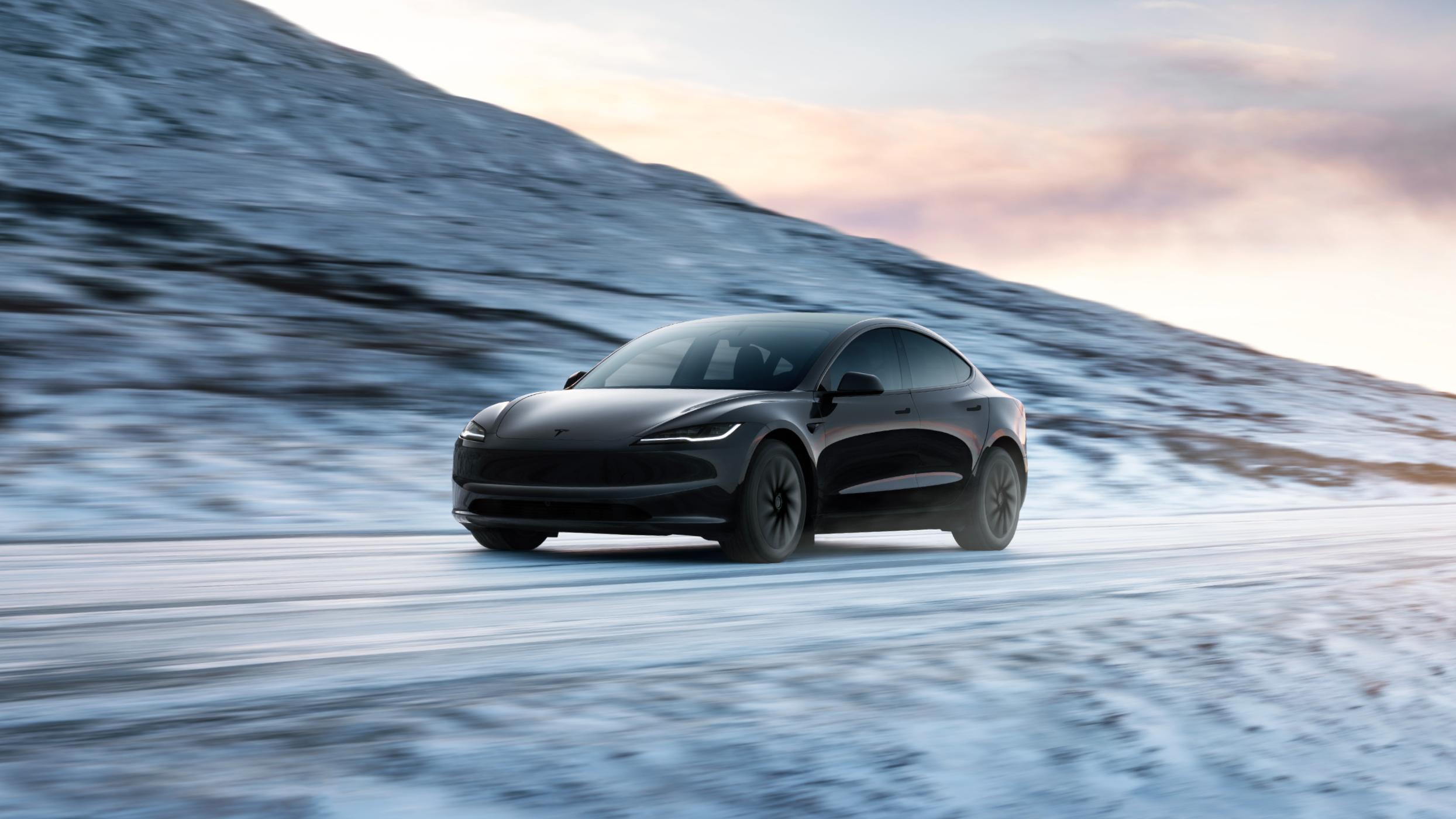
Tesla has expanded its lower-priced vehicle lineup in Europe with the launch of a new “Standard” version of the Model 3, now available in Germany starting at 36,990 euros, just months after introducing a simplified Model Y variant on the continent.
The Model 3 Standard replaces the previous entry-level rear-wheel-drive version equipped with a lithium iron phosphate (LFP) battery. The next model up in the German configurator is now the “Premium” trim with maximum-range rear-wheel drive, priced from 44,990 euros and fitted with a larger battery pack.
See also: Tesla Increases Model 3 Range in Europe After Battery Upgrade from LG Energy
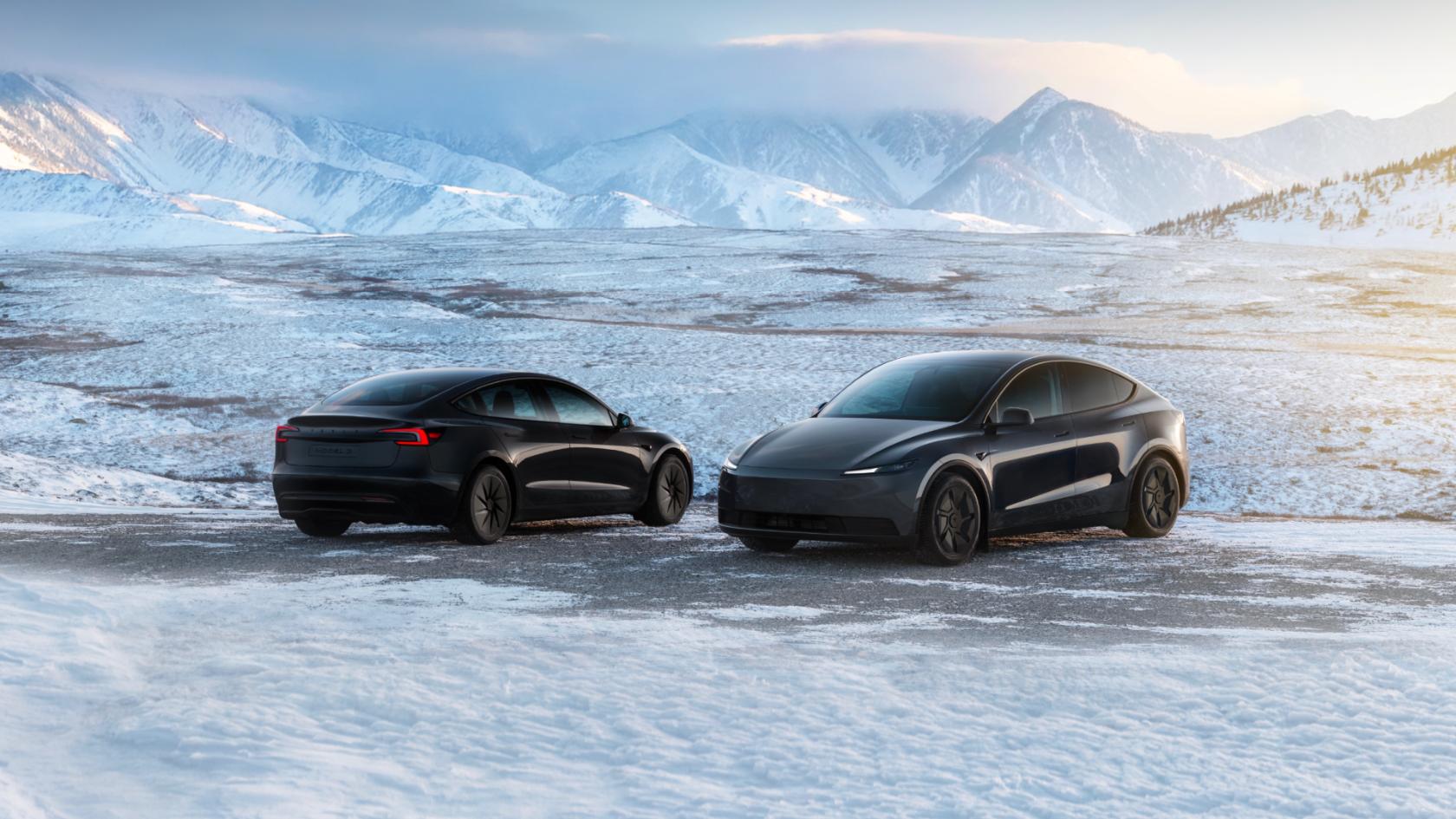
According to Tesla, the new Standard version of the Model 3 offers a WLTP-certified driving range of 534 km, a top speed of 201 kph and acceleration from 0 to 100 kph in 6.2 seconds. By comparison, the most affordable Premium version delivers a WLTP range of 750 km and reaches 100 kph in 5.2 seconds, while sharing the same top speed.
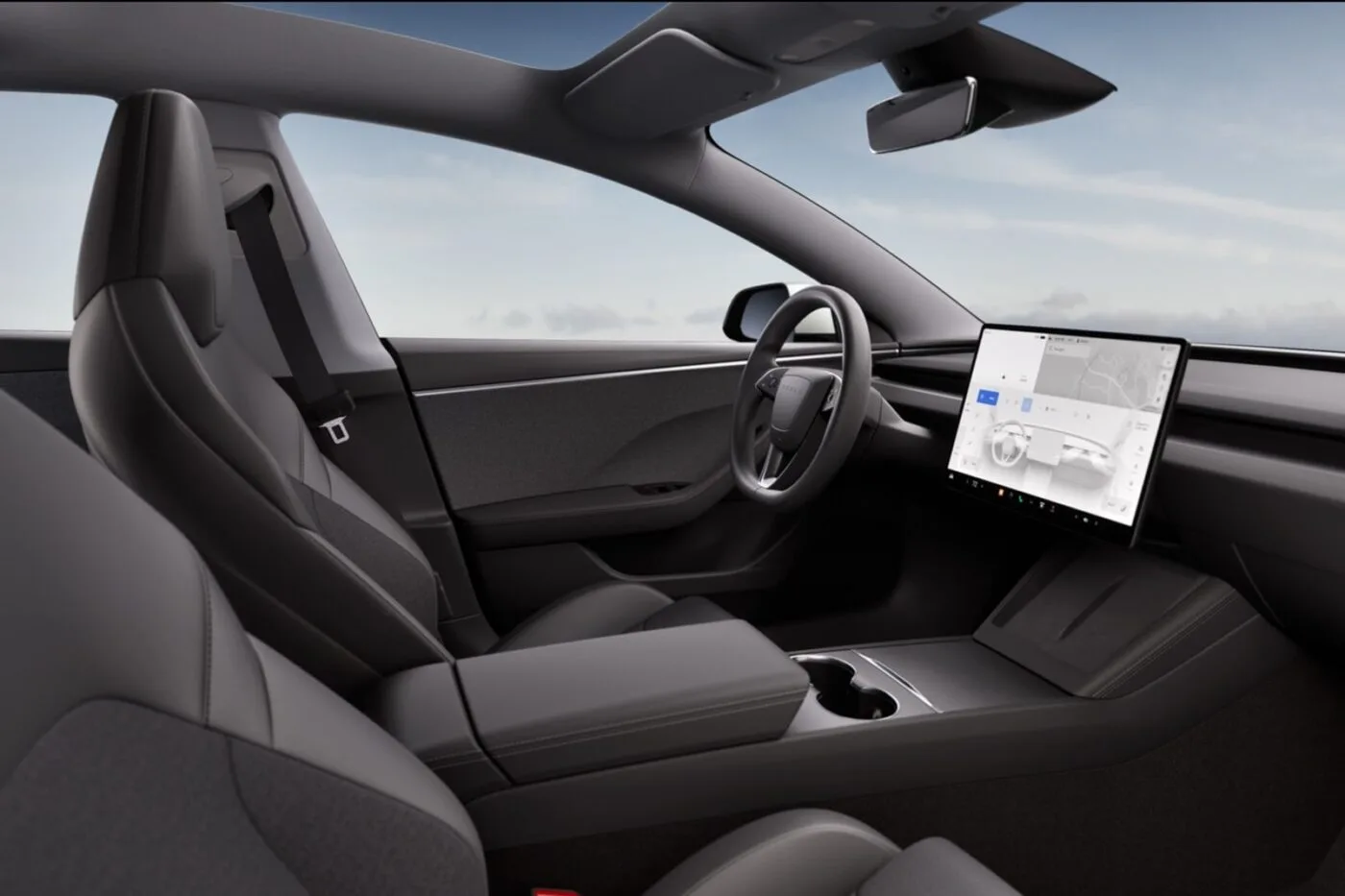
Visually, the Model 3 Standard differs only slightly from higher trims, with 18-inch “Prismata” wheels replacing the “Photon” wheels used on Premium versions. Inside, the seats feature simpler materials, though the panoramic glass roof remains unchanged.
See also: Tesla Reintroduces Updated Model S And Model X In Europe With Enhanced Comfort And Range
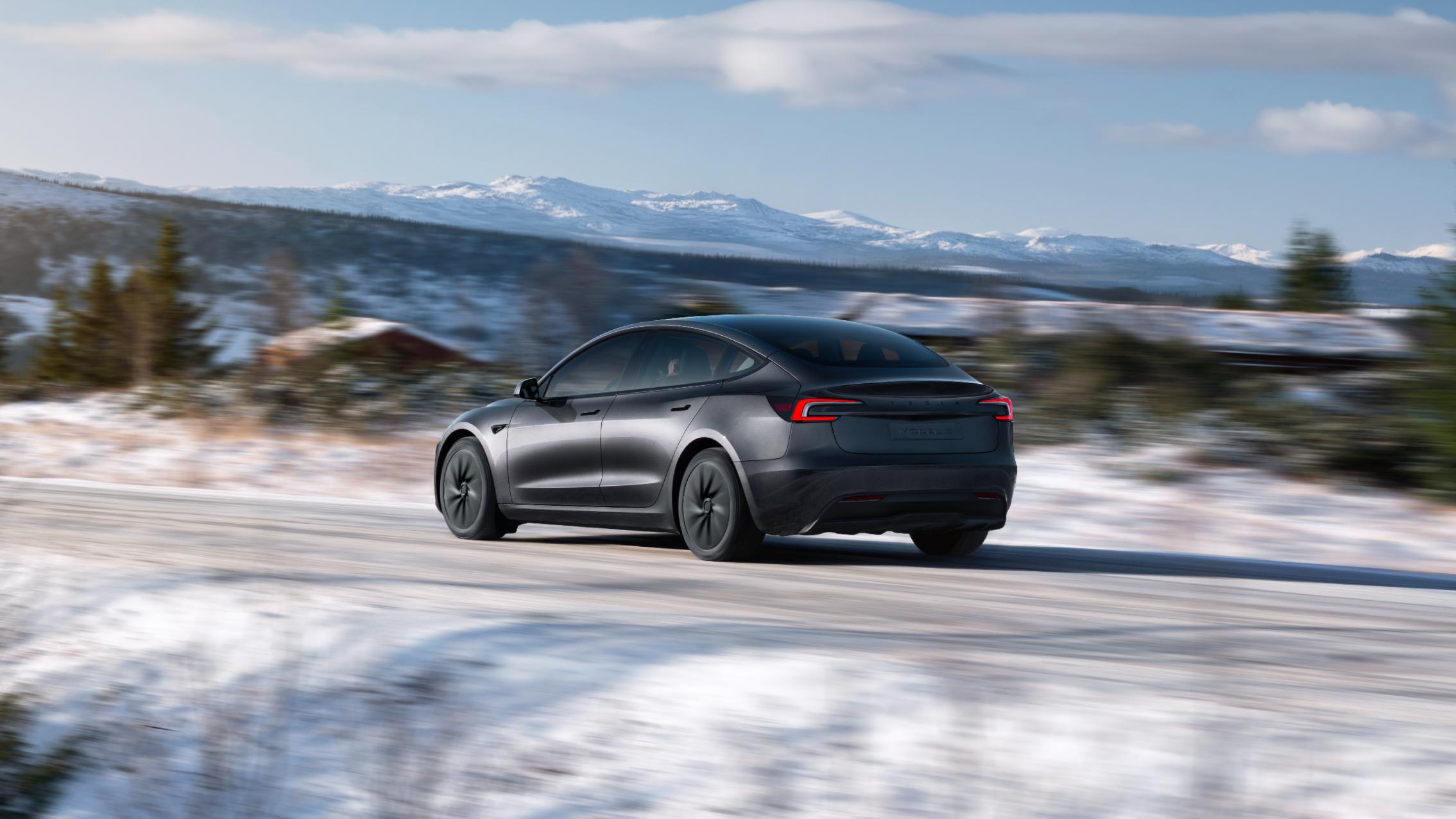
Buyers also face more limited customization options, with only three paint colours available and a single black interior. Additional options are largely restricted to tow equipment and Tesla’s driver-assistance packages.
Tesla introduced the “Standard” branding for streamlined base versions of the Model 3 and Model Y in the United States in October, before expanding the Model Y Standard to Europe later the same month. In Germany, the Model Y Standard is currently priced from 39,990 euros and is produced at Tesla’s Grünheide factory near Berlin.
The new Model 3 variant carries additional destination and documentation fees of 980 euros, bringing the effective entry price above the advertised base figure. The move reflects Tesla’s continued effort to broaden its reach in the European mass market amid slowing demand growth for electric vehicles across the region.