
Solar electric vehicle startup Aptera Motors has released its first detailed update since listing on the Nasdaq, unveiling progress on its validation vehicle assembly line, on-site battery module production and early efficiency testing as it moves closer to low-volume manufacturing.
The update follows Aptera’s recent debut on Nasdaq under the ticker SEV, alongside a share sale that gave the company access to up to $75 million in financing, providing a lifeline after a prolonged period of financial strain. The company said the funding allowed it to accelerate hiring across engineering, operations and manufacturing in preparation for production.
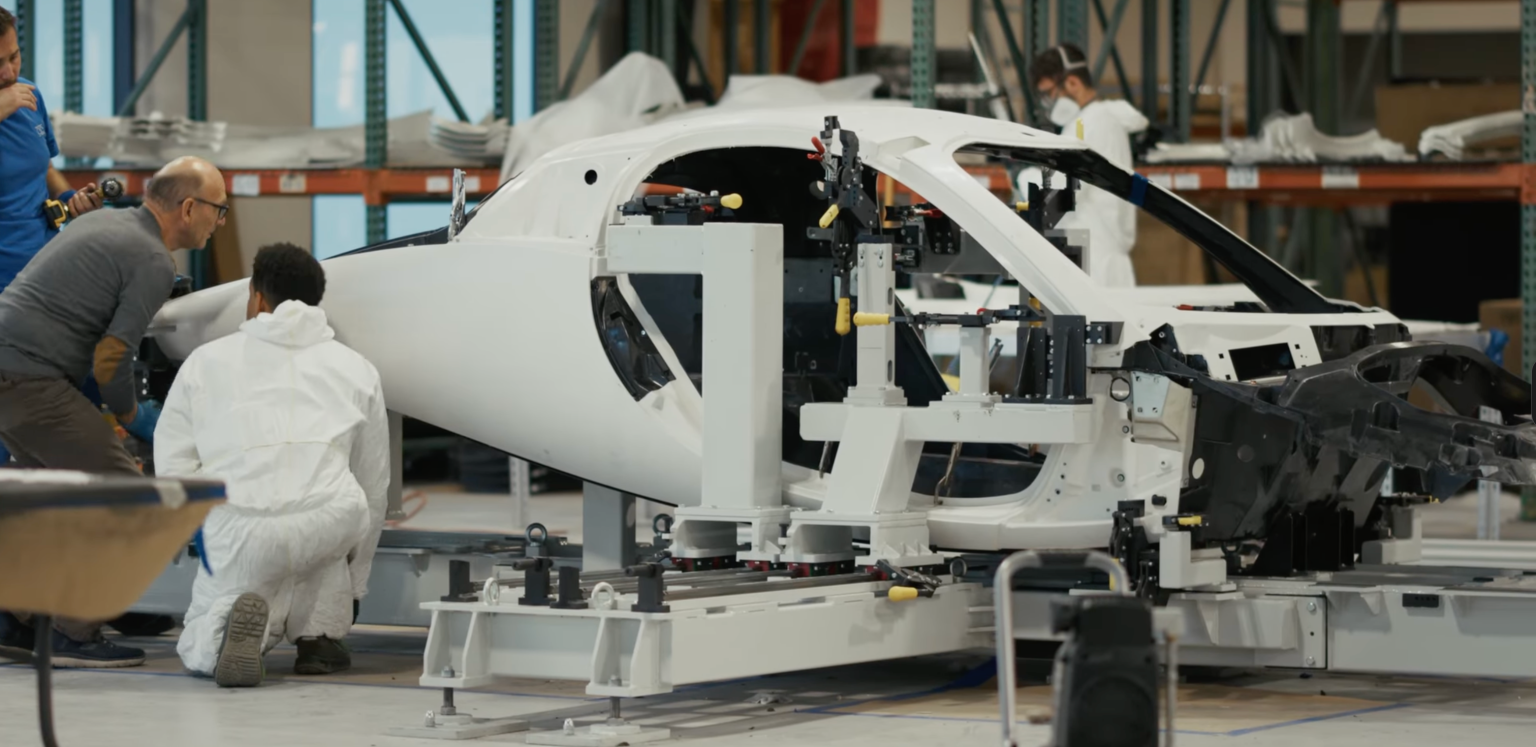
At its California facility, Aptera has begun building out a dedicated validation vehicle assembly line, replacing the largely hand-built process used for earlier prototypes. The company said the new setup mirrors a conventional automotive production flow, with receiving, inventory, kitting and multi-station system installation.
At the centre of the line is a new precision assembly fixture designed for Aptera’s two-piece composite body structure. “It’s a major step forward from the original hand-assembled approach we used on the BinC for the first three validation vehicles,” said Steve Fambro, Aptera’s co-chief executive. “With this new fixture, we can now assemble BinCs with far greater repeatability and tighter control over final geometry.”
See also: Aptera Secures $75 Million in Equity Financing Ahead of NASDAQ Debut
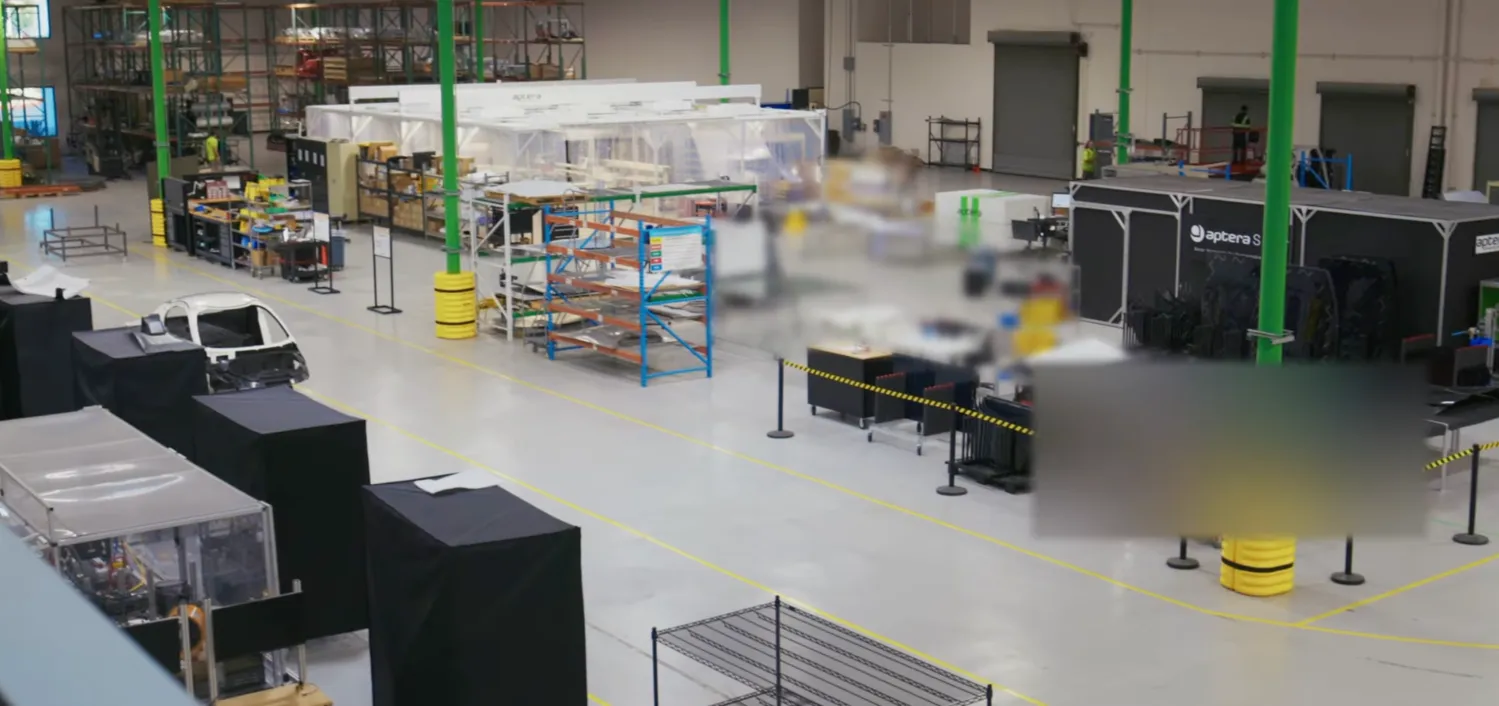
Aptera also confirmed progress on batteries, saying its partner CTNS is now assembling battery modules on-site for the first time. The company said this reduces supply chain risk, a key hurdle for many EV startups.
On performance testing, Aptera said it has begun internal efficiency evaluations using its third production-intent vehicle, known as “Gemini.” Preliminary results from combined driving cycles were described as “encouraging,” with formal regulatory testing planned once a larger validation fleet is completed.