
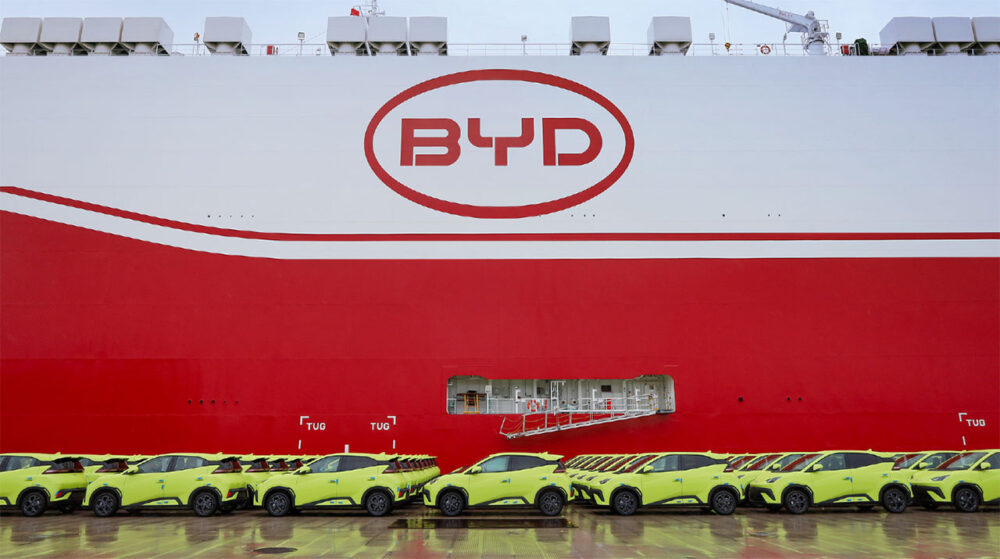
Chinese automakers unveiled a new wave of low-cost electric and plug-in hybrid vehicles at the Guangzhou Motor Show, underscoring the industry’s push to dominate the mass market for electrification as competition and price pressures intensify across the global auto sector.
Several new models were introduced in the price range of 100,001 yuan to 150,000 yuan ($14,100–$21,100), a segment that has become the fastest-growing part of China’s new energy vehicle (NEV) market. According to Nikkei Asia, many of these models are being prepared for export, raising competitive pressure on Western automakers grappling with higher production costs and tightening emissions regulations.
See also: Volkswagen Says China-Built EVs Can Be Developed at Half the Global Cost
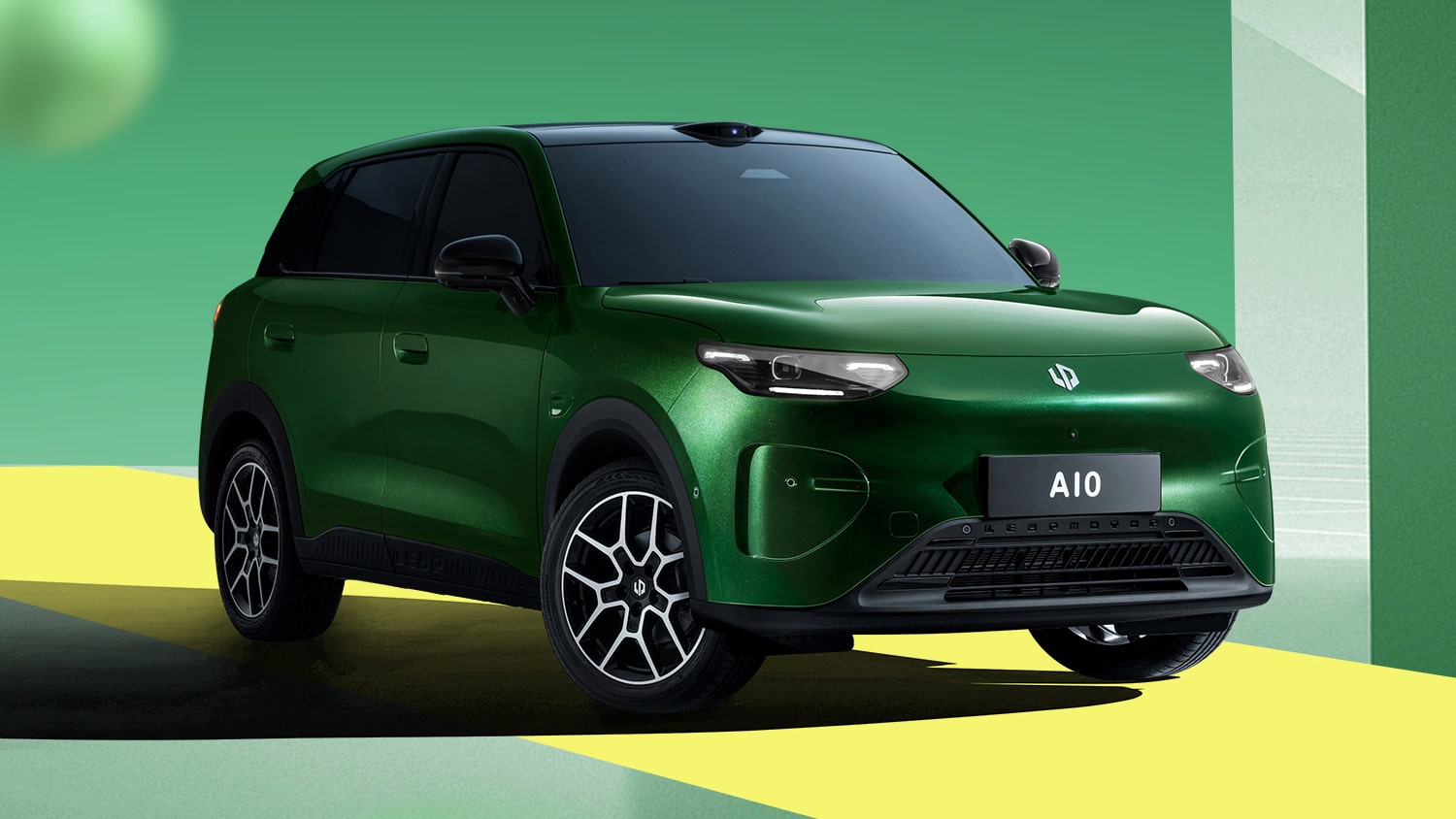
Among the models unveiled were Leapmotor’s A10, expected to start at around 100,000 yuan and slated for global export, and the Lafa 5 electric hatchback at a similar price point. Nio also showcased its Firefly model in right-hand drive form for the first time, priced at about 100,000 yuan in China and scheduled to enter 17 overseas markets next year. GAC introduced the Aion i60 range-extender SUV, starting at 109,800 yuan.
China’s auto market has been locked in an extended price war as carmakers compete for market share, with the budget segment emerging as the most aggressive battleground. In the first nine months of this year, about 2.35 million EVs and plug-in hybrids priced between 100,001 yuan and 150,000 yuan were sold, making it the country’s largest NEV segment, up from fewer than 1.5 million units a year earlier.
See also: China Mulls Rule to Limit Cars’ Default Acceleration to Over 5 Seconds to Curb EV-Related Crashes
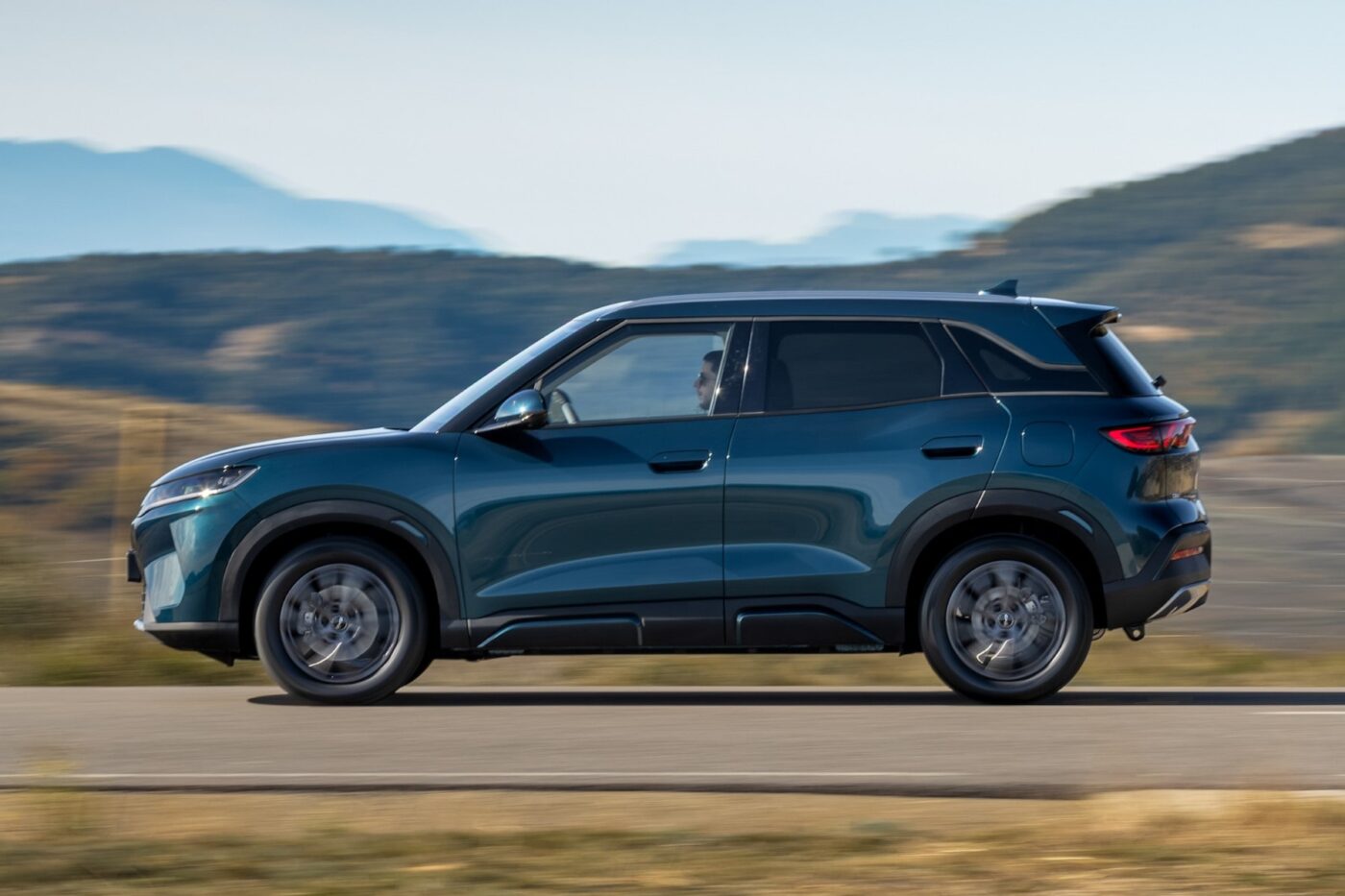
By comparison, sales of models priced between 150,001 yuan and 200,000 yuan remained broadly stable at about 2.3 million units. Even lower-priced segments also expanded sharply, with sales in the sub-100,000 yuan categories more than doubling to exceed 1 million units.
The rapid expansion of affordable models has weighed on profitability for Chinese automakers. During the July–September quarter, BYD reported a 30% drop in net profit, its first decline in four years. Great Wall Motor also posted a roughly 30% fall in profit despite a 20% increase in sales, reflecting the margin pressure arising from sustained discounting.
See also: China NEV Sales Surge Ahead of Year-End Tax Policy Change
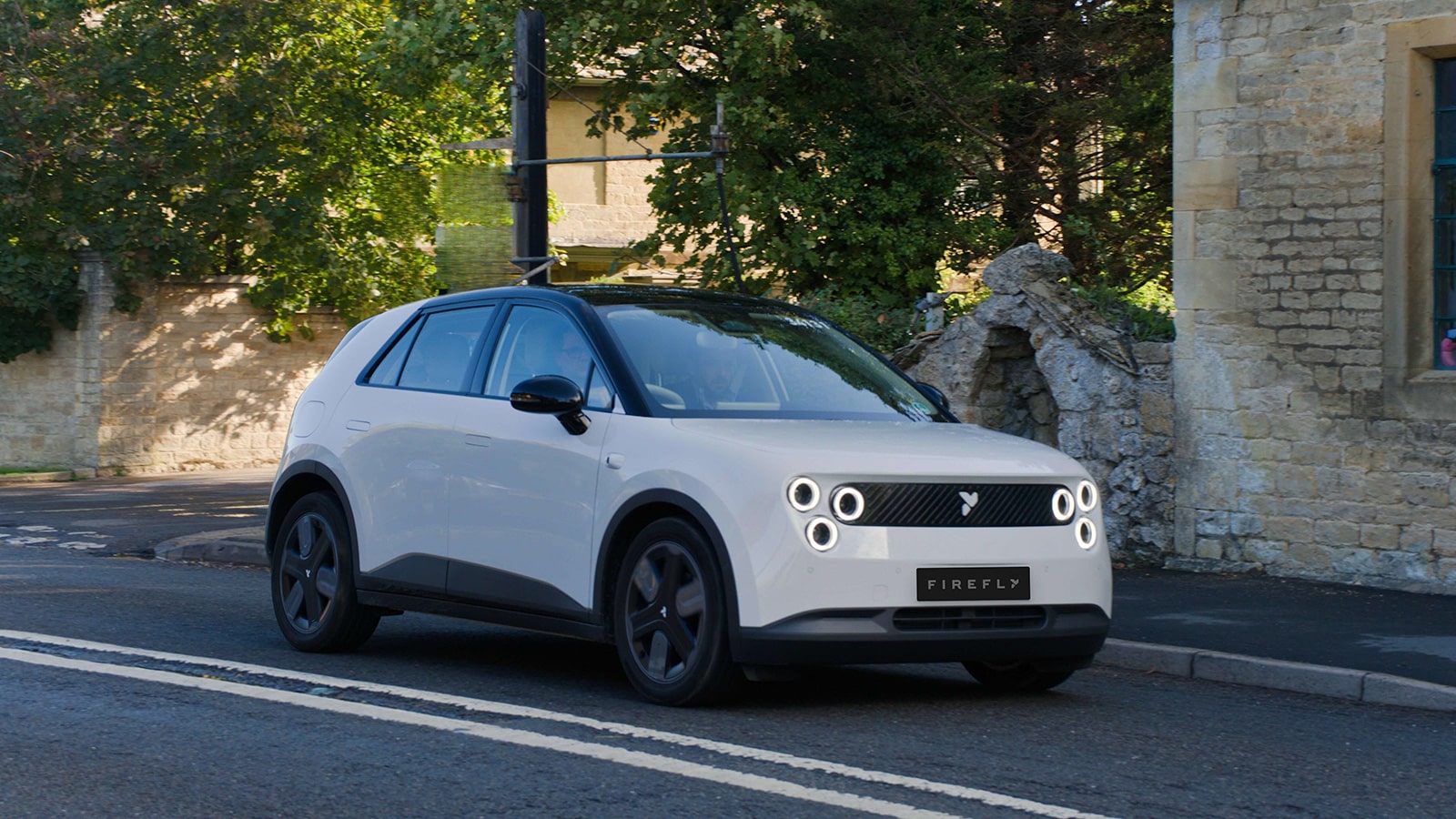
Exports of Chinese NEVs, however, continued to surge. Over the first three quarters of the year, Chinese brands shipped about 1.75 million EVs and plug-in hybrids overseas, up 89% from the same period a year earlier. The growing presence of low-cost Chinese electric vehicles in global markets is expected to intensify competition and reshape pricing dynamics beyond China.