

The expiry of the $7,500 U.S. federal tax credit for new electric vehicles at the end of September has triggered a sharp slowdown in sales and prompted some traditional automakers to reconsider their electrification plans, but Rivian Automotive’s chief executive said the shift could ease competitive pressures for pure-play EV manufacturers.
Buyers rushed to take advantage of the incentive before it ended, leading to a steep decline in sales in October, the first full month without the subsidy. At the same time, higher import tariffs and the removal of incentives have led some automakers, including Kia and Stellantis, to delay or cancel upcoming battery-electric models in the United States, according to industry commentary.
See also: Rivian’s R2 and R3 Models Unlikely to Adopt 800-Volt Architecture, Says CEO RJ Scaringe
Rivian, which produces only electric vehicles, views the changing landscape differently. Speaking last week at the Rotary Club of Atlanta, Rivian Chief Executive RJ Scaringe said the end of the tax credit could benefit the company by reducing competition. “I would say in the medium to long term, it actually simplifies things for Rivian,” Scaringe said. “Narrowly and myopically through the lens of Rivian, it actually creates less competition.” He added that some automakers had relied on steeply discounted EV leases, often supported by regulatory credits, to stimulate demand.
Scaringe also pointed to regulatory changes that have eased pressure on legacy automakers to sell zero-emission vehicles, reducing the need for aggressive pricing. “If you saw an electric vehicle from another manufacturer with a lease rate of like $39 a month, it was really disruptive to the marketplace, because it would drive consumers to behave in irrational ways or expect irrational things,” he said. “And so that’s all going to go away. You’re going to see a lot of manufacturers step back pretty aggressively from electrification.”
See also: Rivian Confirms R3 Model Will Launch at Lower Price Than R2
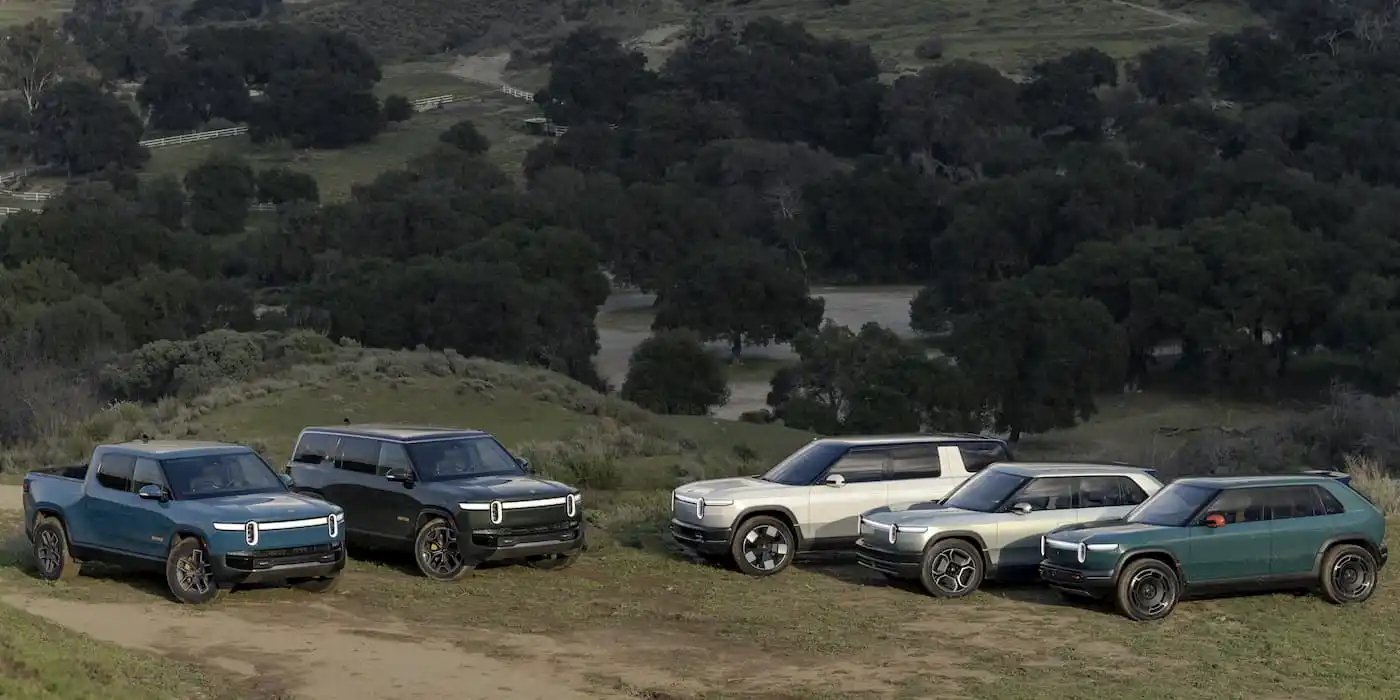
Despite this, Scaringe warned that scaling back EV investment could leave traditional automakers uncompetitive later in the decade. “I think every manufacturer needs to be developing world-class leading technology in what is undeniably the future state of this industry,” he said, adding that cutting back now could make it “extremely hard” to compete in the 2030s, particularly against Chinese rivals that continue to expand EV development.
On the broader outlook for the U.S. EV market, Scaringe said the loss of the tax credit would have a temporary impact but not alter the industry’s long-term direction. “There’s a short-term impact from that, but I do think in the fullness of time, it doesn’t change any of the outcomes,” he said.