
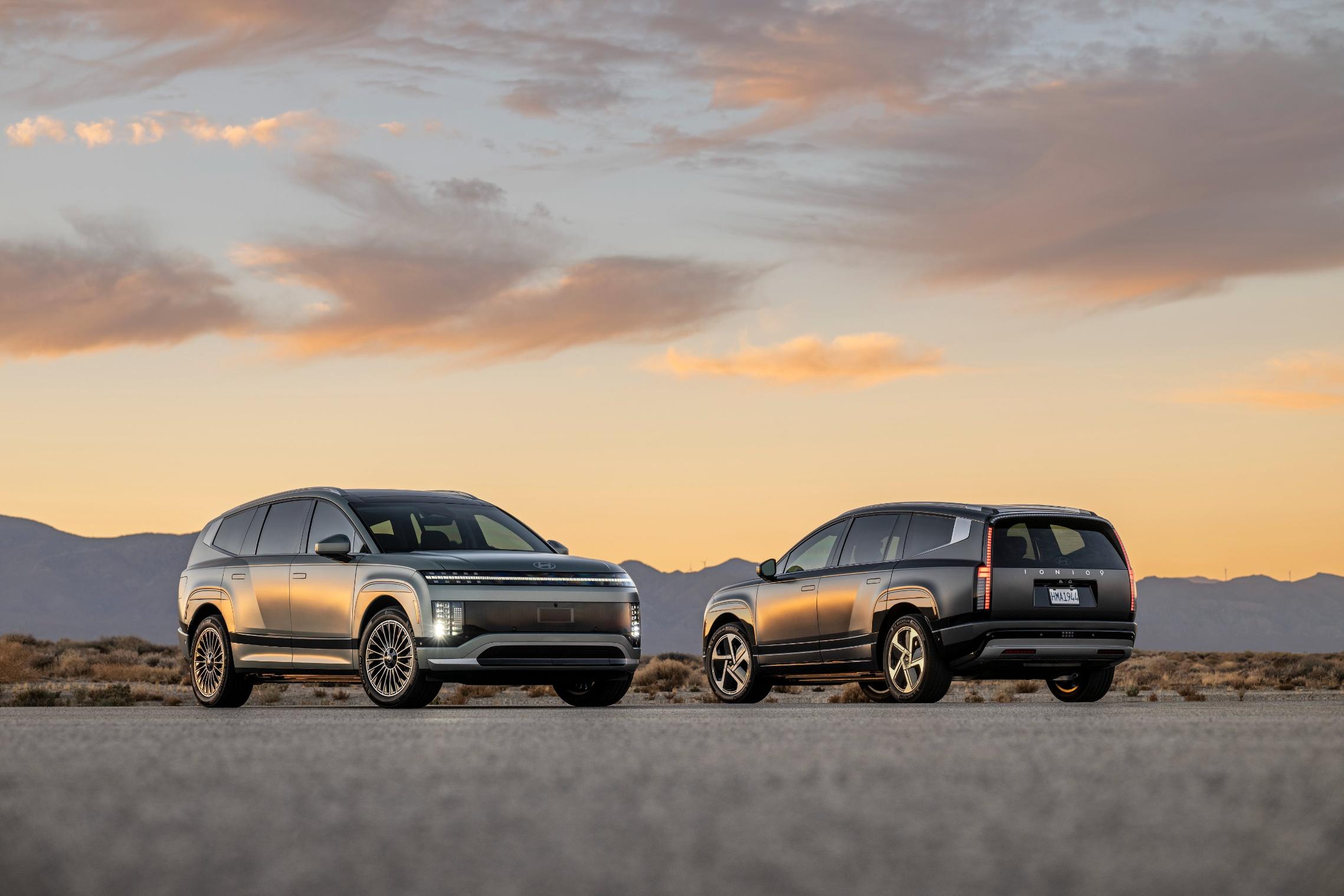
Hyundai Motor Group said it will significantly expand investment in domestic electric vehicle production as South Korea increases financial support for zero-emission mobility and sets new regulatory targets for automakers.
The company plans to boost exports of electrified vehicles—including battery-electric, plug-in hybrid, hybrid and fuel-cell models—from 690,000 units in 2024 to 1.76 million units by 2030. The target is part of Hyundai’s 125.2 trillion won investment plan for 2026–2030, the group’s largest domestic commitment to date and 36.1 trillion won more than its spending over the past five years.
The investment includes 50.5 trillion won for artificial intelligence, software-defined vehicles, EV production, robotics and hydrogen, while 38.5 trillion won will go toward new products and mobility technologies. Another 36.2 trillion won has been allocated to upgrading manufacturing facilities. Hyundai said the spending will support regional economic development and the broader shift toward electrified transport. Major projects include a new EV plant in Ulsan scheduled to open next year and expanded facilities across Kia’s EVO complex in Hwaseong.
The company expects total vehicle exports from South Korea to rise modestly from 2.18 million units in 2024 to 2.47 million in 2030, with electrified vehicles accounting for most of the growth. The revised 2030 target for electrified exports—1.76 million units—is nearly double Hyundai’s earlier projection.
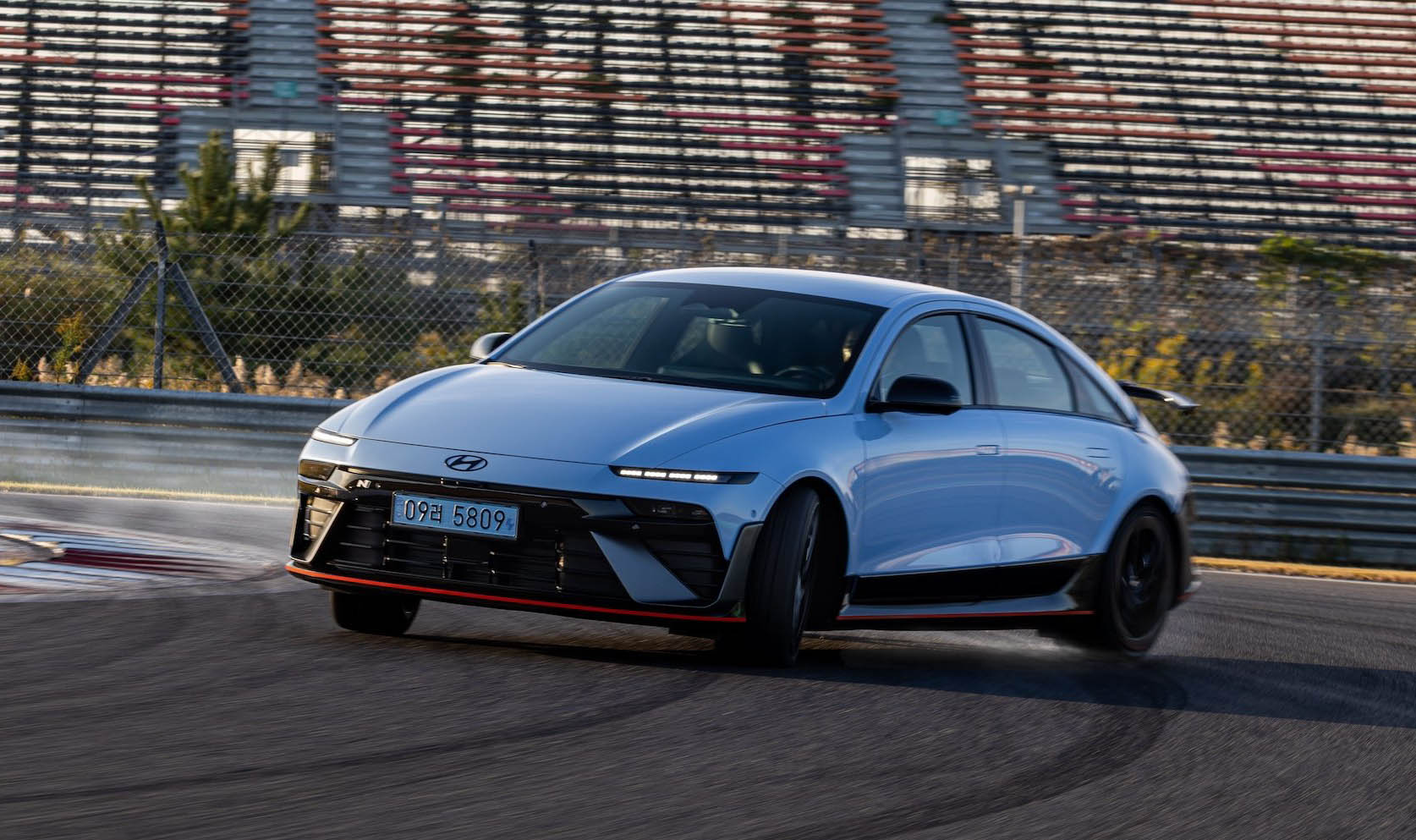
See also: Hyundai Details Ioniq 6 N: 650 PS High-Performance EV with 84 kWh Battery and Track-Ready Chassis
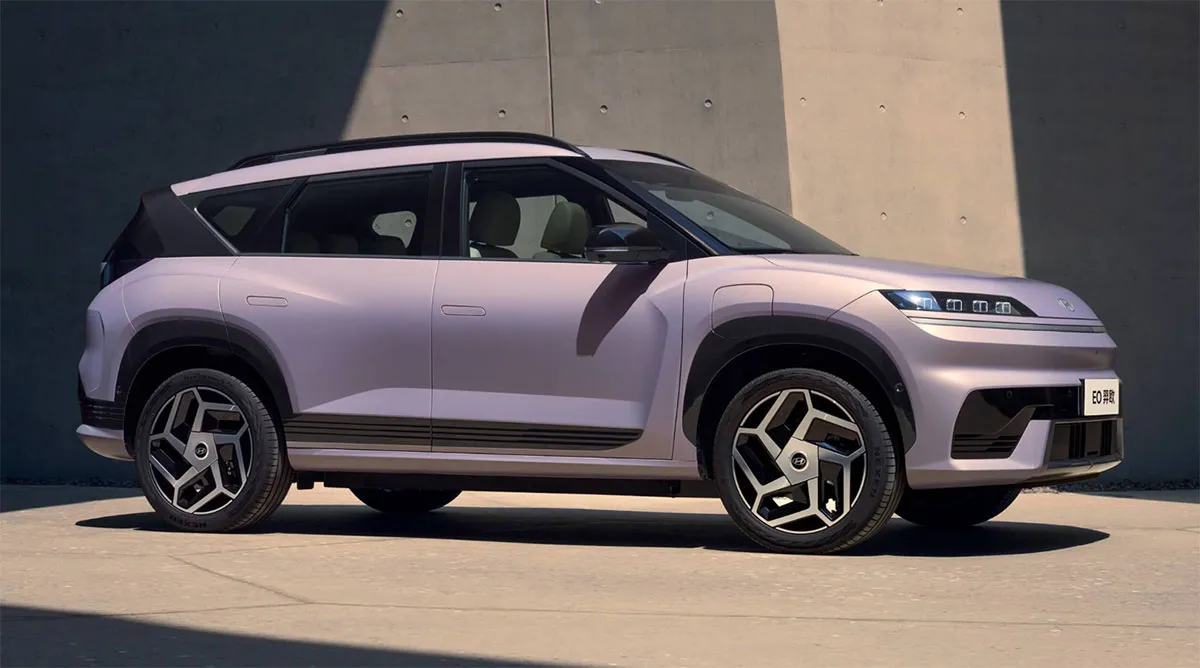
The investment announcement comes as the South Korean government prepares to raise subsidies for electric and hydrogen fuel cell vehicles in 2026. Subsidy funding will increase from 780 billion won to 936 billion won—about a 20% rise. The package includes a one-million-won bonus for scrapping combustion-engine vehicles when replacing them with an EV or fuel-cell model, as well as new support programs for electric and hydrogen buses.
South Korea also plans to require domestic automakers to ensure half of their total sales are zero-emission vehicles by 2030. Companies that fail to meet the target will face penalties of 3 million won per vehicle starting in 2028, a measure that has raised concerns amid slowing profitability and tariff pressures. The target will rise gradually under the government’s 2026–2030 roadmap: from the current 26% of annual sales to 28% next year, 36% in 2028, and 50% by 2030. Officials say the shift is necessary for meeting national climate goals, including 4.5 million zero-emission vehicles on the road by the end of the decade.
See also: Hyundai Begins Construction of Hydrogen Fuel Cell Plant in Ulsan, Production to Start in 2027
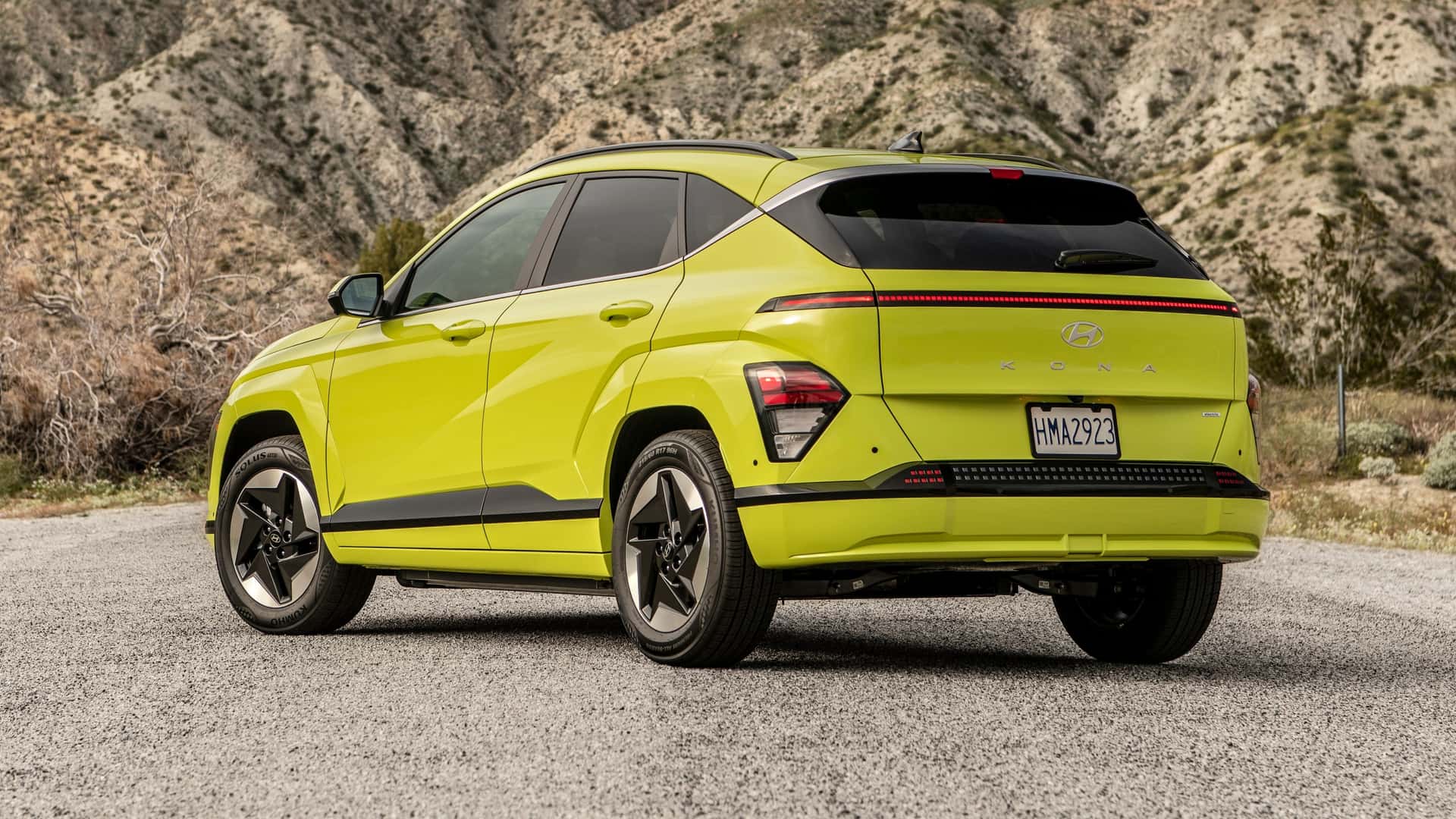
“We will diversify export markets, increase exports from domestic factories and more than double car exports by 2030 through new electric vehicle factories,” Hyundai Motor Group Chairman Euisun Chung said.
The policy changes follow a recent trade agreement under which the United States will reduce import tariffs on South Korean-built vehicles from 25% to 15%, a development expected to benefit models exported from Hyundai’s domestic plants.
Source: hyundai.com, reuters.com